







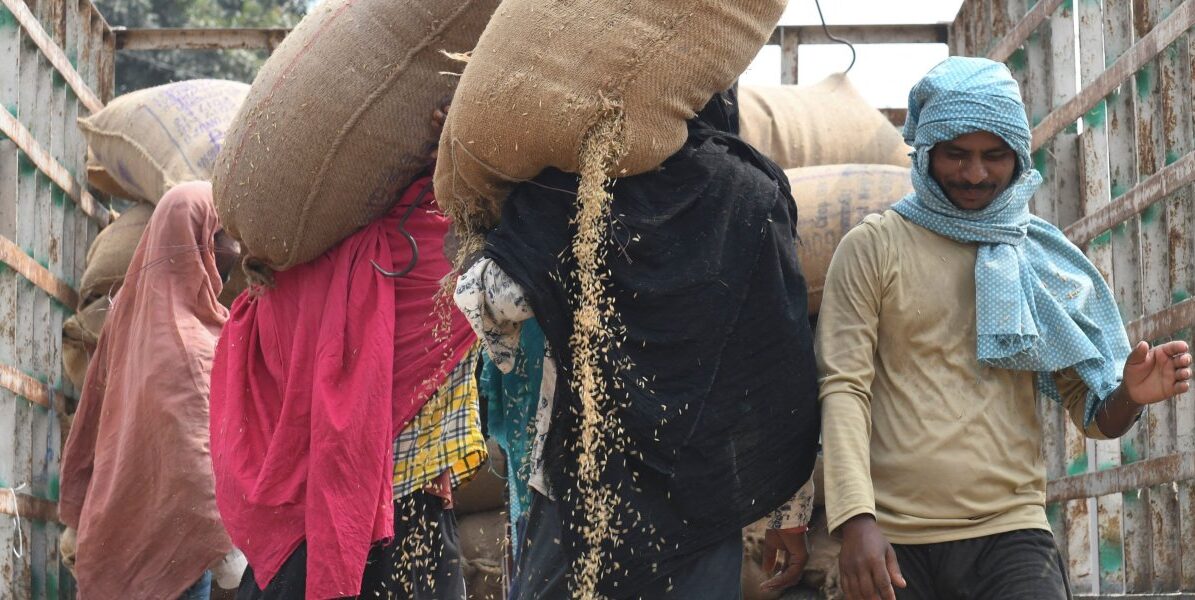
The Ukraine-Russia conflict has taken a dangerous turn as Russian forces launched strikes on key Ukrainian ports along the Black Sea, damaging civilian wheat shipments and oil storage facilities. The attacks have sparked fears of a looming global food crisis, with many nations heavily reliant on Ukrainian grain exports now facing potential shortages. These developments highlight the far-reaching consequences of the conflict, affecting not only the region but economies and food systems worldwide.
In response to the attacks, Ukrainian forces targeted Russian logistical infrastructure, including gas pipelines and transport hubs, in a series of counterstrikes. The escalation has created mounting tensions in Eastern Europe, where both sides appear increasingly determined to assert military control. Analysts warn that the conflict could further destabilize the region and trigger additional humanitarian crises if the fighting continues unchecked.
The situation is further complicated by Russia’s deployment of nuclear-capable missiles to Belarus, a move that shortens strike times to NATO countries and raises security concerns across Europe. Experts argue that these developments represent a dangerous shift in the balance of power in the region, intensifying fears of a broader confrontation. International leaders have condemned the attacks and emphasized the urgent need for diplomatic solutions to prevent further escalation.
Amid the ongoing conflict, the impact on global food security has become a central concern. Ukrainian ports, which serve as vital hubs for grain exports, have faced repeated attacks, disrupting shipments and threatening to push prices higher on world markets. Countries in Africa, the Middle East, and Asia, which rely heavily on Ukrainian wheat, could face shortages if the disruption continues. Humanitarian organizations have warned that millions of people may be affected, underscoring the global stakes of the conflict.
Diplomatic efforts continue, with a high-level summit scheduled in France to discuss ceasefire agreements and potential resolutions. However, the situation on the ground remains volatile, and the international community faces the challenge of balancing military, economic, and humanitarian concerns. As the world watches, the Ukraine-Russia conflict serves as a stark reminder of how regional wars can have global consequences, affecting food security, political stability, and international relations far beyond the battlefield.
The coming weeks will be critical in determining whether diplomacy can prevent further escalation or if the conflict will continue to threaten stability across Europe and the wider world.







+ There are no comments
Add yours