







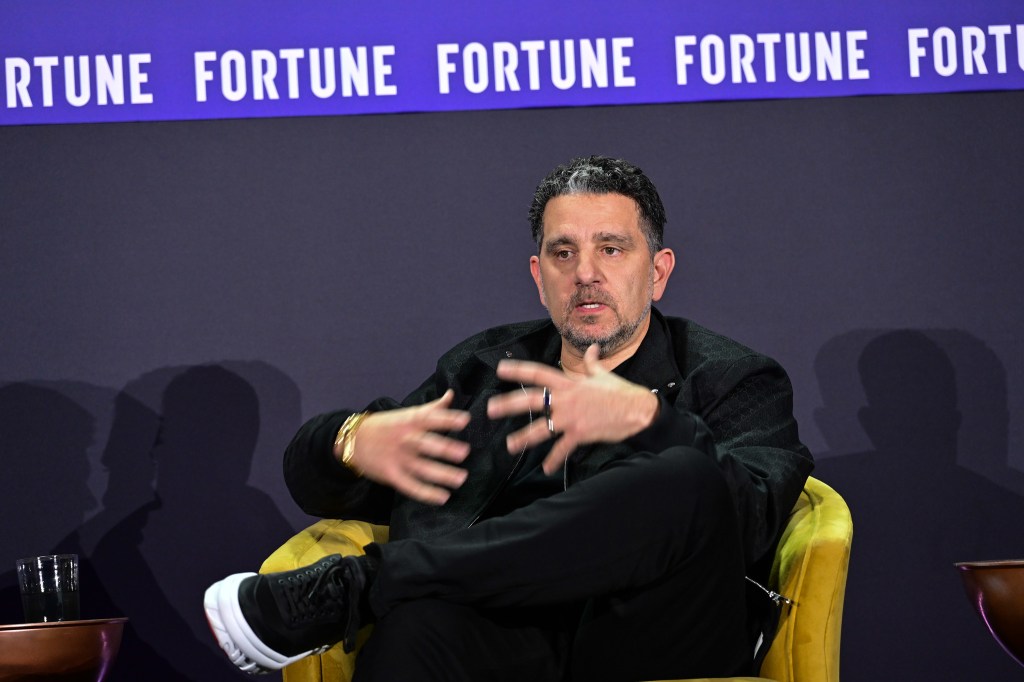
For more than a decade, doomscrolling has defined how people interact with the internet—endless feeds, algorithmic outrage, and a constant drip of bad news optimized for attention rather than well-being. But according to Amazon’s Alexa chief, that era may be nearing its end. And the reason isn’t regulation or tech fatigue alone—it’s a fundamental shift in how the next generation thinks, consumes information, and values time.
The future of digital behavior, the Alexa leader suggests, won’t be built on infinite scrolling. It will be shaped by intention.
From Endless Feeds to Intentional Interaction
Doomscrolling thrives on frictionless design. Swipe, refresh, repeat. Voice assistants, AI companions, and ambient computing challenge that model entirely. Instead of passively consuming content, users increasingly ask for what they want—news summaries, reminders, explanations, or decisions.
This shift from browsing to querying changes the psychology of engagement. When people interact with technology through voice or AI-driven interfaces, they are less likely to fall into mindless loops. The experience becomes task-oriented, not dopamine-driven.
The Alexa chief believes the next generation will see endless scrolling as inefficient—almost primitive—compared to systems that deliver concise, contextual answers.
A Generation That Values Time Differently
Younger users are growing up in a world where attention is their most scarce resource. Unlike earlier generations who explored the internet for discovery, Gen Z and Gen Alpha increasingly approach technology with a filter-first mindset.
They don’t want more content. They want relevant content.
This is reflected in the rising popularity of:
Short, purpose-driven summaries instead of long feeds
Voice commands over visual clutter
AI tools that reduce decision fatigue
Platforms that solve problems quickly rather than prolong engagement
According to the Alexa leadership perspective, this generation will judge technology less by how entertaining it is and more by how useful it feels.
AI as a Curator, Not an Addictive Engine
One of the most important changes driving the decline of doomscrolling is AI’s evolving role. Instead of pushing content endlessly, AI systems are increasingly designed to act as curators—filtering noise, summarizing complexity, and offering clarity.
Voice assistants like Alexa exemplify this trend. When a user asks for the news, they receive a brief, structured overview rather than a chaotic feed of headlines designed to provoke emotion. The interaction has a natural stopping point, which limits compulsive behavior.
This model aligns with a broader industry shift away from engagement-at-all-costs toward satisfaction-based design—where success is measured by usefulness, not time spent.
The Cultural Pushback Against Algorithm Fatigue
There’s also a cultural dimension to the Alexa chief’s prediction. Younger users are more aware of how algorithms manipulate attention. Terms like “brain rot,” “algorithm trap,” and “digital burnout” are now part of everyday language.
This awareness has sparked a quiet rebellion:
Muted notifications
Curated content diets
Intentional offline time
Preference for tools that work in the background
Rather than rejecting technology, the next generation is demanding better boundaries with it.
Voice and Ambient Tech Change Behavior
Unlike smartphones, voice assistants don’t encourage prolonged engagement. You don’t scroll a voice interface. You ask, receive, and move on. This design naturally discourages doomscrolling and promotes healthier digital habits.
As ambient AI becomes more integrated into daily life—through smart homes, wearables, and context-aware assistants—the need to constantly check screens may decline. Information comes to the user when needed, not when an algorithm decides to push it.
Not the End of Content, But the End of Compulsion
The Alexa chief is careful not to predict the death of social media or digital content altogether. Instead, the forecast is about the end of compulsive consumption. Content will still exist, but it will be pulled intentionally rather than pushed endlessly.
The next generation, shaped by overload rather than novelty, may see doomscrolling the way people now see pop-up ads: an outdated design pattern from an earlier internet era.
A Different Digital Future
If this prediction holds true, the future of technology won’t be louder or faster—it will be quieter, smarter, and more human-centric. The next generation isn’t disconnecting from the digital world. They’re redesigning how it fits into their lives.
And in that shift, doomscrolling may finally lose its grip—not because people were forced to stop, but because they simply stopped wanting to.














+ There are no comments
Add yours