







European Union leaders have reached a landmark agreement on a new migration management plan aimed at streamlining asylum procedures, strengthening border security, and improving coordination among member states. The agreement, finalized at a summit in Brussels, reflects the EU’s effort to balance humanitarian responsibilities with practical measures to address ongoing migration pressures across the continent.
Under the new plan, asylum applications will be processed more efficiently, with the introduction of a standardized system designed to reduce delays and ensure fairness across all member states. Countries experiencing higher migration flows will receive additional support and resources, while those with lower intake levels will participate in coordinated relocation programs to share responsibility more equitably.
The plan also emphasizes enhanced border management, including increased personnel and technological support at key entry points. Leaders highlighted the importance of detecting and preventing human trafficking and irregular migration, while still protecting the rights of refugees and asylum seekers. The agreement further calls for greater cooperation with non-EU countries to manage migration routes and address root causes of displacement, such as conflict, poverty, and climate-related crises.
European Council President Charles Michel described the agreement as “a major step forward in EU solidarity and leadership on migration,” noting that the plan reflects the union’s commitment to both humanitarian values and security concerns. European Commission President Ursula von der Leyen added that the plan aims to restore public confidence in the EU’s ability to manage migration effectively, while ensuring that vulnerable populations receive timely protection.
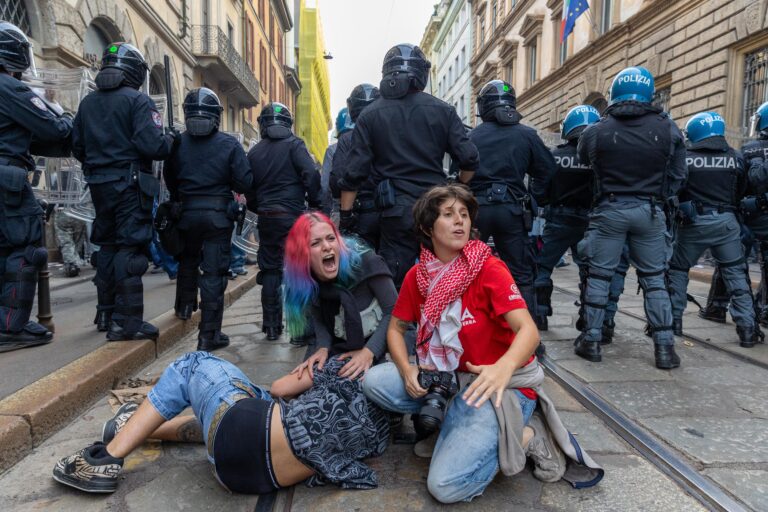
The migration management plan has been welcomed by several human rights organizations, which praised its focus on safeguarding asylum seekers’ rights and improving living conditions in reception centers. However, some critics argue that stronger border controls could inadvertently limit access for those in urgent need, emphasizing the need for careful implementation and ongoing oversight.
Analysts note that the agreement represents a significant moment in European leadership, demonstrating the EU’s capacity to unite around complex, divisive issues. By balancing responsibility-sharing, humanitarian protection, and border security, the EU aims to present a cohesive and sustainable approach to one of the continent’s most pressing challenges. The plan is expected to be rolled out in phases over the coming year, with member states collaborating closely to monitor progress and make adjustments as needed.






+ There are no comments
Add yours