







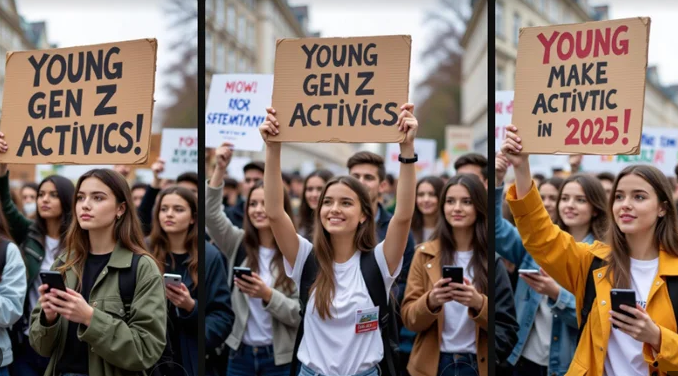
Over the past year, streets, campuses, and digital platforms across the world have echoed with the voices of Generation Z. From climate strikes and cost-of-living marches to protests over war, inequality, and social justice, young people have emerged as one of the most visible and persistent forces of dissent. What began as scattered demonstrations has evolved into a sustained global movement, raising a critical question as 2026 approaches: can Gen Z activism translate passion into lasting change?
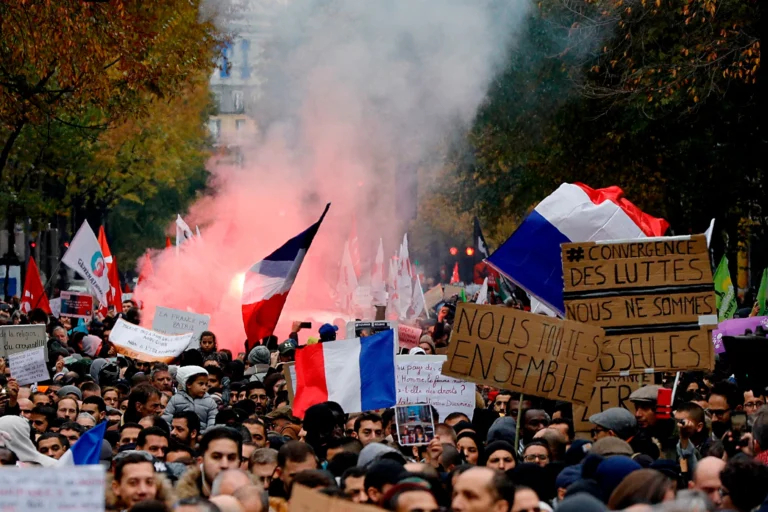
Unlike previous generations, Gen Z organizes at the speed of the internet. Social media has allowed protests to form within hours, drawing millions into conversations that once took years to build. A single video, hashtag, or viral post can mobilize students, workers, and activists across borders. This digital fluency has given Gen Z a powerful megaphone, enabling them to pressure governments, corporations, and institutions in real time. Yet it has also created challenges, as online momentum can fade as quickly as it rises.
One of the defining features of Gen Z activism is its breadth. Climate justice remains at the center, driven by fears of an uncertain future shaped by environmental collapse. Alongside it stand movements demanding affordable education, fair wages, gender equality, racial justice, and an end to armed conflicts. Rather than focusing on a single issue, Gen Z sees these struggles as interconnected, rooted in systems they believe no longer serve the majority. This holistic view has helped build solidarity but has also made it harder to present clear, unified demands.
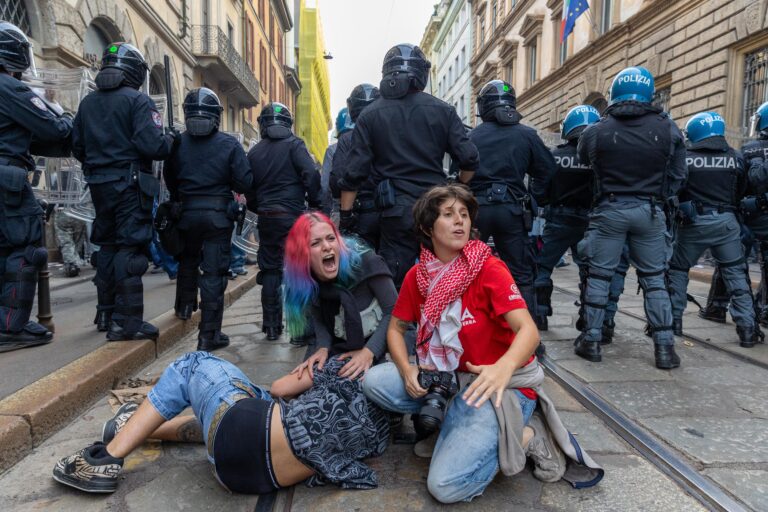
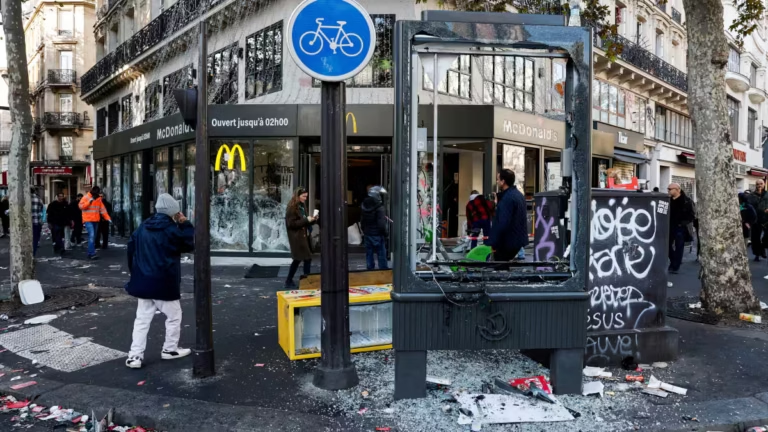
Critics argue that Gen Z protests are loud but ineffective, pointing to limited policy changes and short-lived outcomes. Governments have often responded with symbolic gestures rather than structural reforms, while corporations issue statements without altering core practices. Frustration has grown among young activists who feel listened to but not acted upon. However, history suggests that social change rarely arrives overnight. Many of today’s accepted rights were born from years, sometimes decades, of sustained pressure.
There are signs that the protests are already reshaping the political landscape. Youth voter registration has increased in several countries, and Gen Z candidates and organizers are entering local councils, unions, and advocacy groups. Protest culture is slowly merging with institutional participation, a shift that could prove decisive in 2026. When demonstrations are paired with voting power, legal challenges, and grassroots organizing, their impact becomes harder to ignore.
The real test for Gen Z lies ahead. To bring lasting change, the movement must balance moral urgency with strategic planning. This means turning protest slogans into policy proposals, building long-term organizations, and staying engaged even when media attention fades. It also requires resilience in the face of setbacks, recognizing that progress often comes in increments rather than breakthroughs.
As 2026 approaches, Gen Z stands at a crossroads. Their protests have already changed conversations, challenged complacency, and exposed deep cracks in existing systems. Whether they can convert this energy into concrete reforms will depend on their ability to sustain momentum beyond the streets. One thing is clear: Gen Z has announced itself as a political force, and even if change is slow, the world will not easily return to ignoring their demands.






+ There are no comments
Add yours