








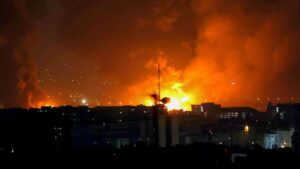
The ongoing conflicts across the Middle East, including recent escalations involving Iran, the United States, and regional allies, are sending shockwaves through global financial and real estate markets. Analysts warn that the uncertainty and rising geopolitical tensions are likely to have a direct impact on property values and investment decisions worldwide.
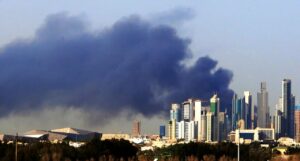
Investors are increasingly cautious as airstrikes, naval engagements, and political crises dominate headlines. Countries with significant foreign investment in real estate, such as the UAE, Turkey, and parts of Europe, are seeing a slowdown in property transactions. Rising energy prices, transportation disruptions, and fears of broader regional instability are contributing to a drop in buyer confidence.
“The world is watching these conflicts closely. When global tensions rise, people naturally hesitate to make major investments, including in real estate,” said an international property analyst. “We’re already seeing fewer foreign buyers, and luxury and commercial markets are feeling the pressure.”
In regions close to conflict zones, including parts of the Middle East and South Asia, developers are reporting delays in construction projects and cancellations of pre-booked units. Insurance premiums for properties near strategic maritime routes and ports are also rising due to heightened risk.
Even markets far from the conflict are not immune. Global economic uncertainty often reduces liquidity, slows lending, and affects mortgage rates, creating ripple effects in housing and commercial property markets. Investors are increasingly diversifying into safer assets, such as government bonds or precious metals, while temporarily reducing exposure to real estate.
Experts also caution that prolonged conflicts could exacerbate inflation, as energy costs remain high and supply chains are disrupted. Higher costs for construction materials, shipping, and utilities can further impact property development and ownership expenses.
While the situation remains fluid, real estate buyers, sellers, and investors are being advised to stay informed, monitor geopolitical developments, and carefully assess risk before making major decisions. The conflicts underscore how global politics can quickly affect local markets, reminding stakeholders that property investments are closely tied to international stability.
As tensions continue to unfold, the real estate sector faces uncertainty, with both short-term volatility and long-term strategic implications for global investors.



+ There are no comments
Add yours