





Despite Their ‘No Limits’ Friendship, Russia Is Paying a Nearly 90% Markup on Sanctioned Goods From China — Compared to Just 9% From Other Countries
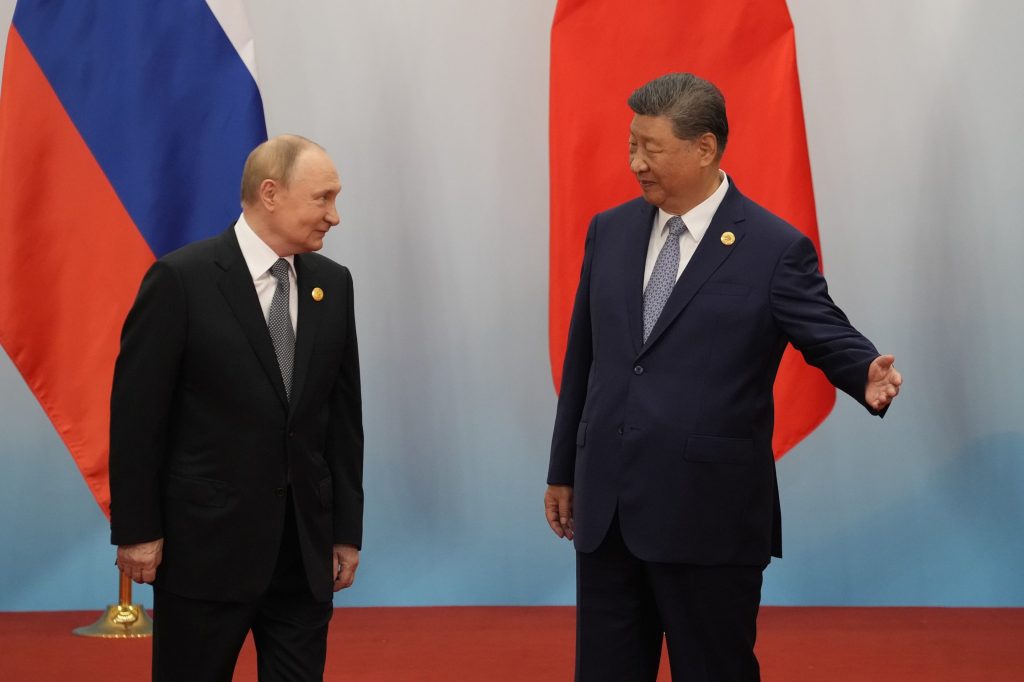
Russia and China have repeatedly emphasized their “no limits” friendship, especially since the start of the Ukraine war. But beneath the diplomatic slogans lies a hard economic truth: China is charging Russia a massive premium — nearly 90% — on many of the sanctioned goods Moscow desperately needs.
In contrast, Russia pays only about 9% more when importing similar goods from non-Chinese routes, including parallel markets in Central Asia, the Middle East, and Eurasian neighbors.
This SEO-optimized deep dive explains why China is imposing such high markups, what it means for Russia’s war economy, and how this pricing gap exposes the limits of their strategic partnership.
The Reality Behind the ‘No Limits’ Relationship
When China and Russia declared their partnership had “no limits” in early 2022, analysts expected deeper economic, military, and technological alignment. But as Western sanctions tightened, Russia became more dependent on Beijing — and Beijing, in turn, recognized Moscow’s vulnerability.
This imbalance created a new dynamic:
China can command higher prices because Russia has fewer alternatives.
Why China Is Charging 90% Markups on Sanctioned Goods
1. Russia Has Lost Access to Western Technology
Sanctions cut off crucial supplies such as:
Advanced machinery
Industrial components
Microchips
Telecommunications equipment
Dual-use electronics
China stepped in — but not out of generosity.
When one supplier becomes the only supplier, it gains extreme pricing power.
2. Sanctioned Goods Carry Higher Transport and Compliance Risks
Chinese exporters face:
Risk of secondary sanctions
Greater scrutiny of shipments
Higher insurance costs
Complex routing to avoid detection
These risks are priced into the final product — heavily.
3. China Knows Russia Cannot Push Back
Russia’s economy shrank, its currency weakened, and its industries lack replacements for Western imports.
China understands:
Russia has limited leverage
Moscow needs Beijing more than Beijing needs Moscow
Strategic relationships do not override profit motives
In business, friendship matters far less than supply-and-demand realities.
4. Parallel “grey market” channels are more expensive
Even when goods are not directly sanctioned, transactions often occur through:
Shell companies
Re-export routes via Kazakhstan or Kyrgyzstan
Third-party logistics hubs
Complex payment structures
Each layer adds cost — often intentionally.
Why Other Countries Charge Only a 9% Premium
Countries in Central Asia, the Caucasus, the Middle East, and parts of South Asia act as transshipment hubs for Russian imports.
These nations often:
Face fewer restrictions from Western regulators
Do not dominate the market like China
Compete with each other on pricing
Import Western goods and re-export them at modest markups
As a result, their average premium is only around 9% — a fraction of China’s pricing.
But these markets cannot replace China’s massive industrial supply lines.
The Economic Impact on Russia
1. Russia Is Paying Significantly More for Essential Components
Industries affected include:
Defense and weapons manufacturing
Automotive production
Aviation repair
Energy sector modernization
Telecommunications upgrades
Higher costs translate into slower production, lower output, and reduced competitiveness.
2. Russia’s War Machine Becomes More Expensive to Maintain
Missile manufacturing, drone production, and armored vehicle repair rely heavily on imported chips and electronics — many from China.
A 90% markup deeply strains Russia’s defense budget.
3. Inflation Pressures Intensify
Expensive imports → elevated production costs → consumer price increases.
The Russian ruble’s volatility worsens this cycle.
4. Growing Dependence on China Weakens Russia’s Negotiating Power
The more Russia relies on China:
The more China dictates pricing
The weaker Russia becomes in trade negotiations
The more the relationship resembles a customer-supplier dynamic, not a partnership
This shift has long-term geopolitical consequences.
What This Reveals About the Russia–China Relationship
Despite the rhetoric, China’s priority is self-interest, not alliance loyalty.
This situation highlights:
1. Partnership ≠ Charity
China is leveraging Russia’s isolation to strengthen its strategic and economic position.
2. China Sees Russia as a Junior Partner
Beijing benefits from:
Cheap Russian energy
Discounted natural resources
A captive market for Chinese goods
3. Beijing Will Not Risk Its Global Trade for Moscow
China must maintain access to Western markets, so it avoids openly breaking sanctions — resulting in price hikes to offset risk.
Could the Markups Increase Even More?
Yes. If:
Sanctions tighten
China faces additional Western pressure
Parallel trade routes close
Russia’s economy becomes more fragile
China’s leverage — and its ability to raise prices — could grow.
What This Means for the Future
The 90% markup trend suggests a clear direction:
Russia becomes more economically dependent
China becomes more dominant in the relationship
The “no limits” friendship remains symbolic, not economic
The deeper Russia’s isolation grows, the higher the cost of doing business with China becomes.
Conclusion: The Friendship Has Limits — and a Price Tag
Russia publicly praises its alliance with China, but the numbers tell a different story.
A nearly 90% markup on sanctioned goods shows that “friendship” ends where economic leverage begins.
China is not subsidizing Russia — it is profiting from Russia’s geopolitical vulnerability.
Meanwhile, other countries offering only 9% markups reveal a competitive landscape China does not feel compelled to match.
The result is a relationship defined not by equality, but by dependency, leverage, and economic realism — with Russia paying the price, literally.







+ There are no comments
Add yours