







– A Shift Toward Retaliation, Critics Say
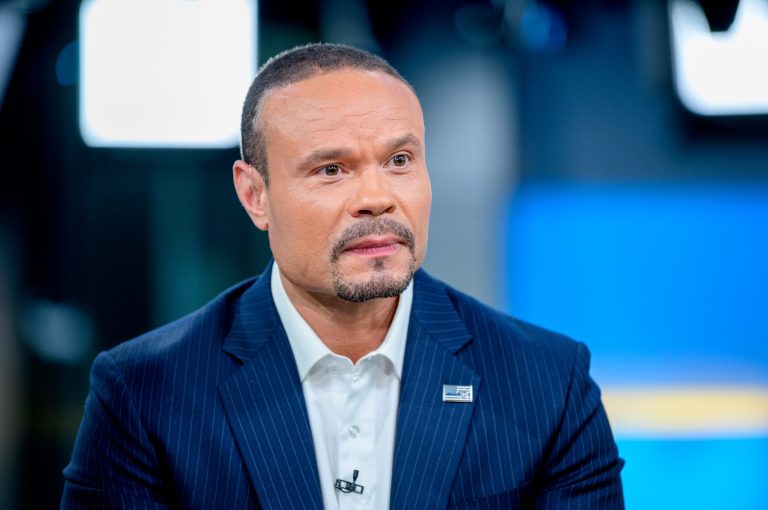
The appointment of Dan Bongino as deputy director of the FBI marks one of the most dramatic leadership changes in the bureau’s history. Announced in February 2025 and taking effect shortly thereafter, Bongino joins Director Kash Patel in a pair of Trump-allied figures leading the nation’s premier investigative agency. The move has sparked intense debate over experience, independence, and the future of the FBI.
Background and Appointment
Bongino, formerly a New York City Police Department officer (1995-99) and then a U.S. Secret Service special agent (1999-2011), later became a prominent right-wing media figure and podcaster.
On February 24 2025, the news broke: President Donald J. Trump announced Bongino’s selection as deputy director of the FBI, praising him as “a man of incredible love and passion for our Country.” His formal swearing-in followed in mid-March.
Critically, the deputy director role typically goes to a senior FBI career agent with extensive internal experience. But Bongino had never served in the FBI.
· Why This Shift Matters
1. Experience and internal morale:
The decision departs from longstanding custom. A memo leaked on the appointment revealed that the FBI Agents Association had been told that the next deputy director “should continue to be an on-board, active Special Agent … as has been the case for 117 years” — yet Bongino’s selection came within an hour of the assurance. Many longtime agents say the move sent shock-waves, raising concerns about morale, institutional knowledge and the practical ability to oversee major investigations.
2. Political loyalty and direction:
The appointment comes on the heels of Kash Patel’s confirmation as FBI Director, and is viewed by many observers as part of a broader strategy by the Trump-allied leadership to reshape the bureau. Indeed, one summary described it as a “loyalty-first FBI.”
Given Bongino’s past commentary — he once called the FBI “irredeemably corrupt” after its search of Trump’s Mar-a-Lago estate — putting him in second-in-command is an overt symbol of change.
3. Agenda and firing rhetoric:
Bongino has publicly stated that he wants to remove FBI agents he views as politically biased or who were involved in investigations of Trump. According to lawsuits and reporting, Director Patel has already overseen dismissals of agents linked to Trump-related probes and rallies, raising fears among critics of a purge. One advisory group of former officials accused Patel and Bongino of “dismantling the FBI’s independence” and equating the removals with loyalty tests.
What Bongino Says He Will Do
On his podcast and in statements after his appointment, Bongino emphasized accountability, transparency, and restoring integrity. He declared he would transition from “podcaster Dan” to “Deputy Director Dan,” committing to watchdog reform within the FBI.
He also signaled a focus on investigating what he sees as misbehavior within the FBI itself — agents who investigated Trump or were involved in the January 6 investigation could be in his cross-hairs, according to legal complaints.
Reactions and Implications
Supporters view the appointments of Bongino and Patel as a long-overdue shake-up in an agency they believe drifted into politicisation. They see a leadership willing to stand up to entrenched bureaucracy.
Critics fear that the dual installation of political loyalists may compromise the FBI’s independence, politicize its investigations, and erode public trust. The abrupt dismissal of senior agents and the bypassing of career-agent norms have triggered lawsuits and internal unrest.
Operational risk: Because neither Bongino nor Patel comes from a deep FBI career background, worries linger about their ability to handle complex national-security investigations, counterintelligence threats and sensitive internal matters which historically required institutional experience.
Precedent-setting: The move could reshape how future administrations fill key law-enforcement leadership roles — especially if loyalty or political alignment become primary criteria over operational expertise.
What to Watch Going Forward
Whether Bongino pushes large-scale personnel changes, including firings, reassignments or reorganisations of agents tied to Trump-related probes or January 6 investigations.
The impact on major ongoing investigations: Will the FBI under the new leadership alter priorities (e.g., pivot away from certain politically charged cases)?
Congressional or judicial reaction: Given concerns about due-process for fired agents and accusations of political purges, legal challenges may mount.
Internal morale and retention: Will veteran agents stay under the new regime? Will recruitment suffer?
Agency effectiveness: The true test will be whether crime-fighting, counter-terror and intelligence operations continue smoothly — or whether disruptions emerge due to leadership change.
Final Word
The appointment of Dan Bongino as Deputy Director of the FBI, under Director Kash Patel, represents a significant inflection point for the bureau. It sends a clear message of transformation — one that leans heavily toward political alignment and institutional overhaul rather than continuity and career-agent advancement. Whether this serves to restore the FBI’s reputation or undermine its independence remains to be seen.












+ There are no comments
Add yours