







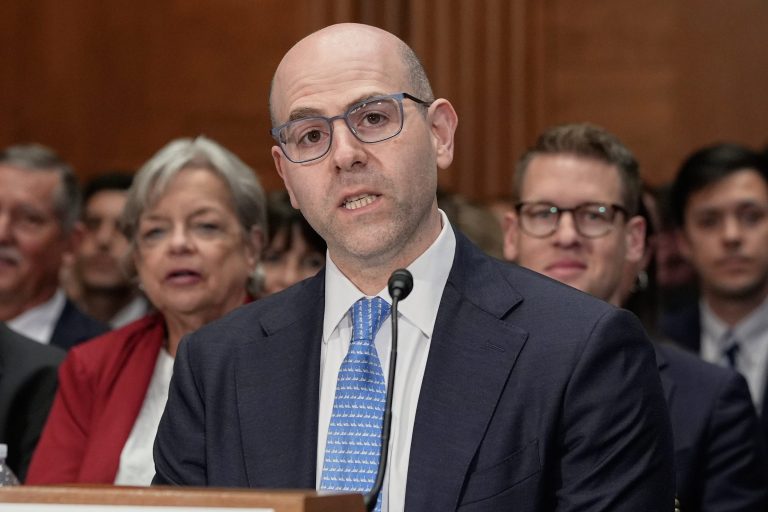
In a move that could influence upcoming monetary policy decisions, the U.S. Senate has confirmed economist Philip Jefferson Miran as a governor of the Federal Reserve. The confirmation comes just days before a critical Fed policy meeting, drawing attention not only for its timing but also because Miran will continue serving as an adviser to the White House.
A Dual Role Raising Eyebrows
Miran’s confirmation solidifies his place among the central bank’s top policymakers at a time when the Fed is navigating inflation pressures, labor market shifts, and questions about the path of interest rates. Yet, what makes his appointment unusual is that he intends to maintain his position as a White House economic adviser.
Critics argue that this dual role could blur the lines between the Fed’s independence and political influence from the executive branch. The Federal Reserve has historically worked to maintain credibility by avoiding any perception of political interference in its decision-making. Supporters, however, say Miran’s expertise makes him well-suited to handle the complexities of the U.S. economy and that his insights will be valuable to both institutions.
Why the Timing Matters
The Senate’s confirmation comes just ahead of the Fed’s policy meeting, where decisions on interest rates and forward guidance are expected. Markets have been closely watching whether the central bank will signal a continued tightening stance to fight inflation or begin preparing for rate cuts if economic growth shows signs of slowing.
Having Miran on the Board of Governors at this moment could shape the tone of the discussions. His policy leanings, particularly on inflation management and labor dynamics, are likely to be scrutinized by both Wall Street and policymakers.
Miran’s Economic Perspective
Miran has a background in financial regulation and macroeconomic policy. His past research highlights the importance of balancing price stability with employment growth, which aligns closely with the Fed’s dual mandate. Analysts expect him to lean toward a pragmatic approach—acknowledging the risks of inflation while avoiding overly aggressive rate hikes that could strain credit markets.
His ongoing advisory role at the White House means he will also remain close to the administration’s economic agenda, which emphasizes supporting growth while managing fiscal challenges. This overlap could fuel debate over whether his dual responsibilities enhance coordination or undermine central bank independence.
What This Means for the Federal Reserve
The addition of Miran strengthens the Fed’s policymaking bench at a pivotal time. The central bank is under pressure to strike the right balance: tightening policy enough to bring inflation back to target without triggering a deeper economic slowdown. His perspective may add nuance to debates around the pace of rate adjustments and the Fed’s communication strategy with markets.
Still, questions about transparency and institutional independence are likely to follow his tenure. The Senate confirmation highlights how intertwined fiscal and monetary policy have become in the post-pandemic era, with new voices at the Fed shaping the future of economic stability.
The Senate’s confirmation of Miran as a Federal Reserve governor just before a major policy meeting underscores the high stakes of U.S. economic decision-making. His continued role as a White House adviser adds a layer of complexity that could influence how both the public and markets perceive the Fed’s independence.
As the central bank meets to decide its next steps, Miran’s dual role will remain in the spotlight—symbolizing the delicate balance between politics and policy in steering the American economy.













+ There are no comments
Add yours