







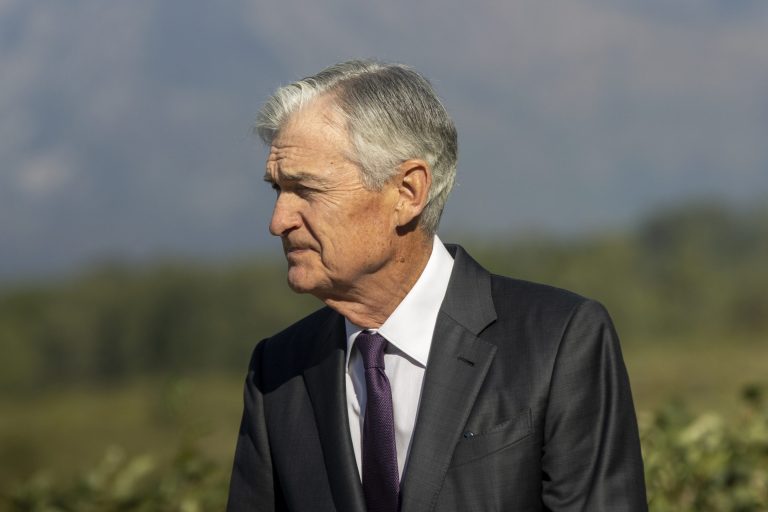
The Federal Reserve has spent the past two years walking a tightrope: fighting stubborn inflation without sending the U.S. economy into a painful recession. Now, according to a top economist, the Fed “desperately” wants to avoid triggering a downturn—not just because of the economic fallout but also because of the political and institutional risks that come with being blamed.
The Fed’s Balancing Act
Since the pandemic recovery began, inflation surged to four-decade highs, forcing the Fed to raise interest rates at the fastest pace in decades. While price pressures have cooled, the central bank remains cautious about cutting too soon and reigniting inflation. The stakes are unusually high: if the Fed overshoots and the U.S. enters a recession, critics across the political spectrum could accuse it of mismanagement.
The concern isn’t only about economics—it’s also about the Fed’s independence. Established as an apolitical institution, the Fed has always defended its right to set monetary policy free from direct political interference. But history shows that during times of crisis, central banks can face growing pressure from Congress and the White House.
Why Avoiding Blame Matters
Economists warn that if a recession were tied to the Fed’s aggressive tightening, lawmakers could push for changes that erode its independence. This could include:
Congressional hearings demanding greater oversight of rate decisions.
Legislative proposals to restrict the Fed’s power.
Public pressure campaigns that undermine trust in the institution.
For the Fed, credibility is everything. If the public perceives the central bank as both politically vulnerable and economically ineffective, its ability to manage future crises could be permanently weakened.
Political Pressures Are Rising
The Fed’s leadership is keenly aware that it operates in a charged political environment. With elections looming and the economy at the center of public debate, both parties are watching the central bank closely. Democrats fear a slowdown could derail progress on wages and employment, while Republicans remain skeptical of the Fed’s handling of inflation. In this climate, the central bank knows it cannot afford a costly misstep.
The Economic Outlook
Current economic data presents a mixed picture. Growth remains resilient, unemployment is low, and consumer spending continues to hold up. But warning signs are flashing:
Credit conditions are tightening as businesses face higher borrowing costs.
Housing markets remain fragile, with mortgage rates still elevated.
Corporate debt loads could spark defaults if rates stay higher for longer.
If the Fed maintains rates at restrictive levels too long, these vulnerabilities could tip the economy into contraction. Yet, if it eases too quickly, inflation could resurface. This is why economists describe the Fed’s current strategy as “threading the needle”—trying to land a soft landing without collapsing demand.
Lessons From History
The Fed’s fears are rooted in history. In the early 1980s, then-Fed Chair Paul Volcker crushed inflation with sharp rate hikes but at the cost of back-to-back recessions. While Volcker is now credited for breaking inflation’s grip, the Fed at the time faced enormous political backlash. Today’s policymakers want to avoid a repeat, especially in an era of heightened partisanship and global uncertainty.
The Stakes for Independence
Central bank independence is not guaranteed. Around the world, governments have intervened in monetary policy when economic pain grew too severe. For the U.S., maintaining the Fed’s autonomy is essential for financial stability and global confidence in the dollar. A recession tied directly to Fed missteps could spark political momentum to limit its powers, weakening one of the most influential economic institutions in the world.
What Comes Next
Looking forward, the Fed’s path will depend on incoming data. If inflation continues to cool without a sharp rise in unemployment, the central bank may cautiously reduce rates in 2025. But if growth falters, it faces the difficult choice of protecting jobs while maintaining credibility as an inflation fighter.
For now, one thing is clear: the Fed is not just fighting inflation—it’s fighting to protect its reputation, its credibility, and its independence. A recession would test all three, and that’s why policymakers are doing everything they can to keep the economy steady.














+ There are no comments
Add yours