






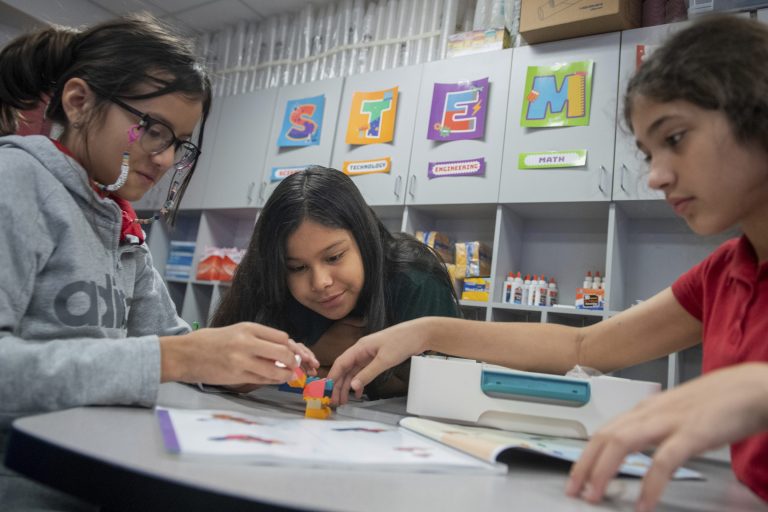
For more than a decade, educators, nonprofits, and policymakers around the world worked to close the gender gap in science, technology, engineering, and mathematics (STEM). Encouraging signs of progress were visible: more girls were enrolling in advanced math and science courses, more young women were considering careers in technology and engineering, and female representation in certain STEM fields was slowly but steadily rising.
But since the COVID-19 pandemic, that momentum has faltered. Studies and education reports show that the progress girls were making in STEM classes has gone into reverse, raising concerns that the gender gap could widen once again.
How the Pandemic Disrupted Girls’ STEM Pathways
The pandemic affected all students, but it hit girls in STEM especially hard. Several factors contributed:
Remote learning barriers – Access to technology was uneven. In many households, boys had greater access to personal computers, while girls often shared devices or prioritized family responsibilities. This limited hands-on engagement with coding, robotics, and science labs.
Loss of classroom interaction – STEM classes thrive on participation, experiments, and group projects. Virtual settings made it harder for girls to get the encouragement and mentorship they often receive in physical classrooms.
Increased caregiving responsibilities – Research shows girls, especially in secondary school, were more likely than boys to take on caregiving roles at home during school closures. This reduced study time and affected their academic performance.
Confidence gap widened – Even before the pandemic, girls were more likely to underestimate their STEM abilities despite strong performance. Remote learning, isolation, and fewer positive reinforcements intensified this confidence gap.
The Numbers Tell a Concerning Story
Enrollment of girls in advanced math and physics courses has stalled or declined in several regions.
Fewer girls are sitting for standardized exams in computer science compared to pre-pandemic years.
Teachers report that classroom participation by girls in math and science discussions has dropped, with some students not returning to the same level of engagement they showed before 2020.
These indicators suggest that the fragile progress made over the last decade is slipping away.
Why This Matters
The decline of girls in STEM is not just an education issue—it has economic and social implications. The global workforce is moving rapidly toward technology-driven roles. If women fall behind in STEM education, they risk being excluded from the fastest-growing, highest-paying sectors of the future economy.
Gender diversity in STEM also matters for innovation. Diverse teams create better solutions, identify broader problems, and drive more inclusive technology. Losing female representation threatens to narrow perspectives in fields like artificial intelligence, biotechnology, and engineering.
Rebuilding Momentum: What Needs to Be Done
To reverse this backward slide, targeted efforts are needed:
Strengthen mentorship programs – Female role models and mentors in STEM can inspire confidence and provide guidance.
Increase classroom support – Schools should identify girls who fell behind during the pandemic and provide tutoring, extra resources, and encouragement in STEM subjects.
Expand access to technology – Equal access to laptops, internet connectivity, and digital tools is essential.
Challenge stereotypes actively – Families, schools, and media must continue countering stereotypes that discourage girls from pursuing math, coding, or engineering.
Promote hands-on learning – Robotics clubs, science fairs, and coding workshops should be revived and prioritized for girls who missed out during lockdowns.
Looking Ahead
The pandemic revealed how quickly progress can be undone. While setbacks are real, they are not irreversible. By investing in tailored support for girls and re-establishing the momentum lost, schools and communities can ensure that the next generation of female scientists, engineers, and innovators is not left behind.
The message is clear: closing the STEM gender gap requires more urgency now than ever before. Without action, the progress that took years to build may continue to unravel—threatening equality, innovation, and the future of work.














+ There are no comments
Add yours