





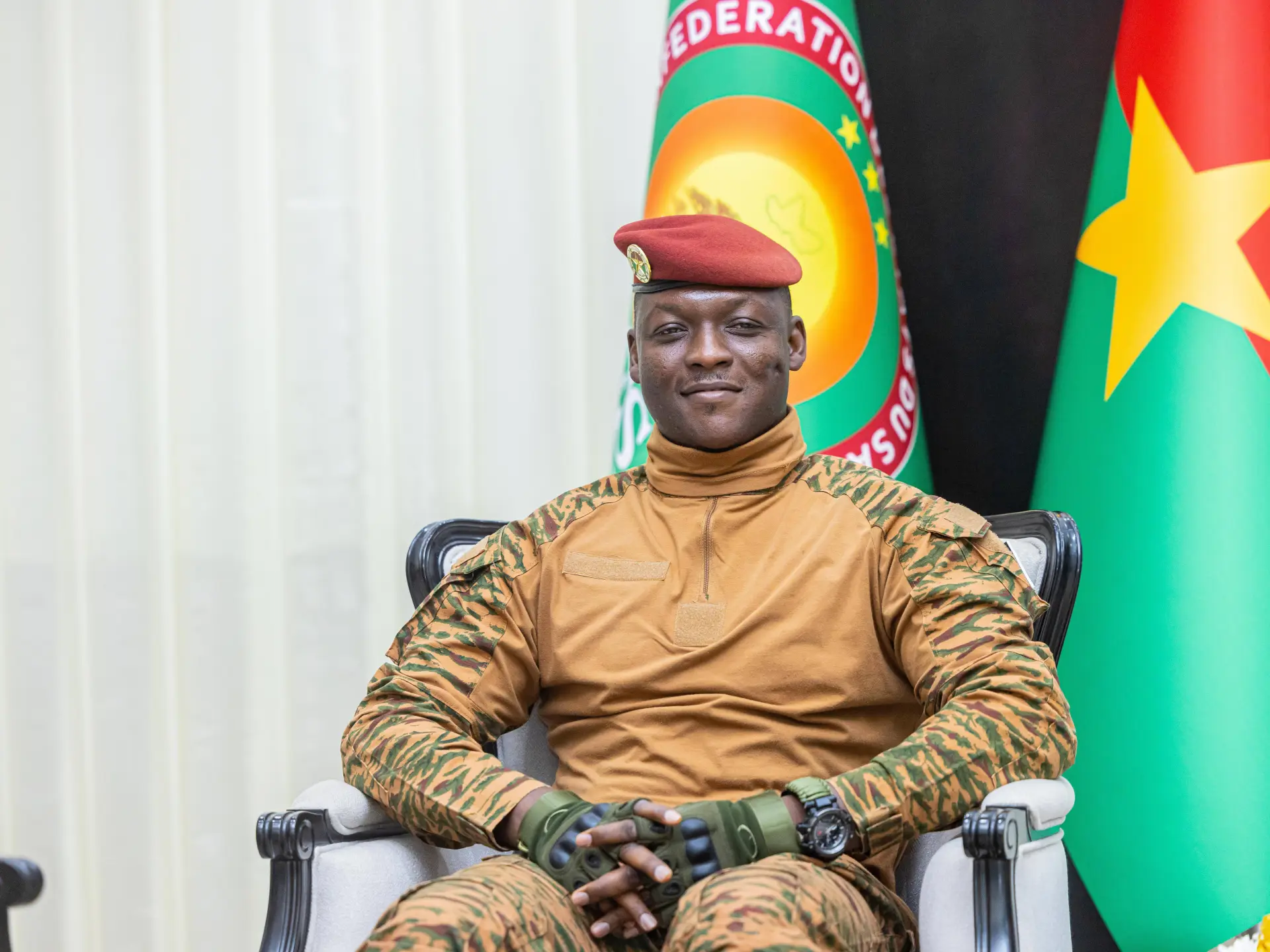
Ouagadougou – Burkina Faso’s military-led government has taken a sweeping step to consolidate power by officially dissolving all political parties in the country, a move that marks a sharp departure from the nation’s previous multiparty system. The decree, issued by the transitional government, eliminates the legal framework that allowed parties to operate, transferring their assets to the state and restricting future political organization until new legislation is drafted.
The government justified the action by arguing that the proliferation of political parties had created divisions and weakened national cohesion. Officials claim that dissolving the parties is a necessary step to rebuild state institutions and restore order. Critics, however, view the move as a further tightening of the junta’s control over political life, limiting citizens’ ability to participate in governance and eroding democratic freedoms.
This latest development builds on actions taken since the military seized power in September 2022. Political parties had already been banned from public gatherings, elections were postponed, and the independent electoral commission was dissolved. The cumulative effect of these measures has raised widespread concerns both domestically and internationally about the erosion of democratic norms in Burkina Faso.
Security challenges continue to complicate the political landscape, as the country struggles to contain Islamist insurgencies in its northern and eastern regions. These conflicts have displaced thousands of civilians and contributed to instability across the Sahel. Burkina Faso’s decision to align more closely with regional partners such as Mali and Niger, through the Alliance of Sahel States, has drawn international scrutiny and highlighted the growing influence of military governments in West Africa.
Human rights organizations and international observers have condemned the dissolution of political parties as a setback for democracy, warning that without political competition and open civic engagement, the prospects for peaceful governance remain uncertain. While the military government asserts that this is a temporary measure to stabilize the nation, experts caution that long-term political reform and a return to democratic processes will require sustained domestic and international pressure.
As Burkina Faso navigates this turbulent period, the actions of its military leadership underscore the challenges facing nations in the Sahel region, where security, governance, and democratic principles are increasingly intertwined. The world is watching closely to see whether the country can eventually restore political freedoms or if military dominance will continue to shape its future.




+ There are no comments
Add yours