






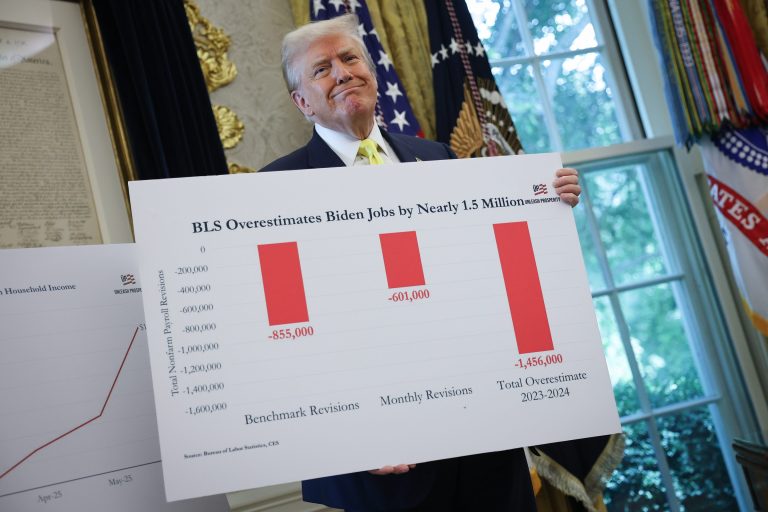
Economic reports, official statistics, and government data can sometimes paint a confusing or overly polished picture of reality. Inflation numbers are revised, unemployment rates hide underemployment, and GDP figures don’t always reflect the daily struggles of households and businesses. That’s why many economists and analysts say you have to look beyond the numbers to spot real signs of economic distress.
Even if you can’t fully trust the data, these 13 warning signs will tell you the economy is in trouble.
1. Rising Layoffs and Hiring Freezes
Companies may sugarcoat performance in earnings calls, but widespread layoffs and job posting declines reveal slowing demand. When industries from tech to manufacturing start cutting workers, it’s a sign the economy is losing steam.
2. Consumers Relying on Credit Cards
Household debt is climbing, and credit card balances are at record highs. If consumers increasingly use debt to cover essentials, it means wage growth isn’t keeping up with costs.
3. Declining Small Business Confidence
Small businesses are often the first to feel downturns. Falling optimism surveys or shuttered local shops highlight weakening conditions before official data catches up.
4. Empty Storefronts and Reduced Foot Traffic
Walk down a main street or shopping district. Vacant storefronts, fewer shoppers, and reduced hours are clear, visible signals of an economy under stress.
5. Rising Auto Loan and Mortgage Delinquencies
When borrowers struggle to make payments, it shows household budgets are stretched thin. A spike in delinquencies often foreshadows broader financial strain.
6. Weak Freight and Shipping Volumes
Trucking companies, railroads, and ports are strong barometers of economic activity. If freight volumes drop, it suggests fewer goods are being produced and sold.
7. Falling Demand for Luxury Goods
High-end retail, jewelry, and luxury travel are typically the first to dip when wealthy consumers start cutting back. It’s a sign confidence is waning even at the top.
8. Companies Scaling Back Investment
When businesses delay expansion plans or cut back on new projects, it signals uncertainty about future growth. Weak capital spending usually leads to slower productivity gains.
9. Surging “Help Wanted” Signs That Never Get Filled
If employers post openings for months without hiring, it often means either they can’t afford the wages workers demand or they’re signaling demand they don’t truly expect to materialize.
10. Housing Market Stagnation
Slower home sales, fewer new listings, and falling construction starts are all classic recession indicators. Housing ripples through construction, finance, and consumer spending.
11. Declining Manufacturing Orders
Factories cutting orders for raw materials, machinery, or durable goods are signaling reduced demand from businesses and households alike.
12. Falling Corporate Profits Outside AI and Tech
While artificial intelligence and big tech may mask weakness, other industries like retail, travel, and consumer staples reveal the true health of the economy. Weak profits outside of hype sectors are red flags.
13. Worsening Consumer Sentiment
Surveys of households show whether people feel financially secure. When sentiment plunges—even if the “hard data” looks okay—it often means people are tightening their belts, which can trigger slower growth.
Why These Signs Matter
Each of these indicators—on their own—might be dismissed as temporary. But together, they form a clearer picture than official reports sometimes allow. Economies rarely collapse all at once. Instead, they fray at the edges: fewer jobs here, declining sales there, growing financial stress everywhere.
Final Takeaway
Even if you don’t fully trust government data or official narratives, you can track everyday signals to understand where the economy stands. Rising debt, weaker spending, job cuts, and falling business confidence all point to the same conclusion: when too many of these warning lights flash at once, the economy is in trouble.














+ There are no comments
Add yours