







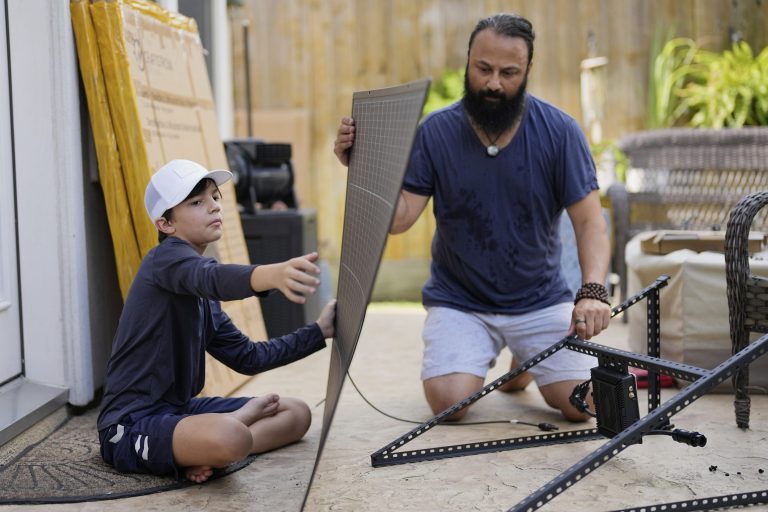
For many homeowners, solar energy has long been appealing but financially out of reach. The cost of installing rooftop solar panels often runs between $30,000 and $50,000, making it an investment only some families can afford. But a new wave of innovation in renewable energy is changing that. A compact, affordable solar panel system—costing around $2,000 and small enough to sit on your deck or balcony—is now giving households the ability to harness clean energy without the massive price tag. One customer’s reaction summed up the trend perfectly: “We thought absolutely, let’s do this right away.”
The Problem with Traditional Rooftop Solar
For years, rooftop solar has been marketed as the gold standard in renewable home energy. While effective, the installation process can be expensive, complex, and lengthy. It often requires roof inspections, construction permits, and professional labor. Homeowners who rent, live in condos, or have shaded rooftops are typically excluded from the benefits altogether.
In addition, large solar systems require significant upfront investment and long-term financial commitment, often stretching beyond 10 years before delivering major returns. This has left many environmentally conscious families searching for a more accessible option.
The Rise of Portable Solar Solutions
Enter the new generation of compact solar units designed to sit on patios, decks, or small yards. These plug-and-play systems cost around $2,000, making them a fraction of the cost of traditional rooftop setups.
Instead of months of planning and construction, these smaller panels can be installed in hours. They plug directly into standard household outlets, providing immediate supplemental energy for lights, appliances, and even charging electric vehicles.
What makes them especially attractive is flexibility. Unlike rooftop systems, these portable panels can be moved, adjusted, or expanded over time. If you relocate, you can simply take them with you—something impossible with traditional installations.
Who Benefits the Most?
Renters and Condo Owners – Without the ability to modify rooftops, smaller balcony or deck panels offer a way to go solar without needing a landlord’s approval.
Budget-Conscious Families – At $2,000, the cost is more manageable, especially when paired with tax credits or local incentives.
Urban Households – In cities where space is limited, compact solar allows residents to capture renewable energy without sprawling installations.
Early Adopters – For those curious about solar but hesitant to commit tens of thousands of dollars, this is a low-risk entry point.
Savings and Environmental Impact
While a $2,000 solar unit won’t power an entire home, it can significantly offset electricity bills. Depending on location and sunlight exposure, a small system could save hundreds of dollars per year. Over time, the system may pay for itself while reducing reliance on fossil-fuel-driven power grids.
From an environmental perspective, widespread adoption of smaller solar systems could have a huge impact. If millions of households installed even one compact panel, the combined energy savings would cut emissions dramatically and speed up the transition toward renewable energy.
Why People Are Saying “Yes” Immediately
The excitement around these new solar options isn’t just about cost—it’s about accessibility. Many families who once dismissed solar as unrealistic are now jumping on board. “We thought absolutely, let’s do this right away,” one homeowner said after realizing they didn’t need to spend $50,000 to make the switch.
This sense of empowerment is fueling rapid growth in the market. People can now take part in clean energy without debt, without construction headaches, and without waiting decades to see returns.
The Future of Solar Energy
Experts believe these small-scale solutions are not replacing rooftop solar, but complementing it. As technology improves, the efficiency of portable solar panels will continue to rise, potentially allowing them to power larger portions of the home.
In the bigger picture, this democratization of renewable energy could reshape how we think about electricity. Instead of being tied solely to big infrastructure projects or high-cost rooftop systems, clean energy is now becoming as accessible as any household appliance.
Final Thoughts
The shift from $50,000 rooftop panels to $2,000 deck-ready solar units marks a turning point in renewable energy. It’s about making solar power more inclusive, more flexible, and more practical for everyday families.
For many households, the choice is clear: why wait years or spend tens of thousands when you can start reducing bills and cutting emissions today? With compact, affordable solar, the future of clean energy is no longer reserved for the wealthy—it’s arriving on decks, patios, and balconies across the country.














+ There are no comments
Add yours