






UBS Sounds the Alarm on ‘Stall Speed’ as U.S. Economy Shows Signs of Losing Momentum
Global investment bank UBS has issued a stark warning: the U.S. economy may be approaching “stall speed,” a critical point where growth slows so much that even a minor shock could trigger a full-blown recession. As key indicators flash red, analysts caution that the post-pandemic economic engine may be running out of gas.
What Does ‘Stall Speed’ Mean in Economic Terms?
In aviation, “stall speed” refers to the slowest speed at which an aircraft can fly before it loses lift and begins to drop. Economists have borrowed the term to describe a precarious phase in the business cycle where GDP growth slows dramatically—typically under 1% annually—and the economy becomes highly vulnerable to external shocks.
UBS economists say current conditions resemble that scenario: GDP growth is sputtering, consumer spending is weakening, and business investment is tapering off, despite resilient job numbers and cooling inflation.
“We’re not in a recession yet,” UBS’s chief economist Paul Donovan stated in a recent client note, “but we are in the danger zone. The economy is moving too slowly to escape turbulence.”
Key Indicators Pointing to a Slowdown
Several economic metrics now suggest that the post-COVID recovery may be running on fumes:
GDP Growth: The U.S. economy grew at a mere 0.9% annualized rate in Q2 2025, well below the Fed’s target and UBS’s earlier projections.
Consumer Confidence: The University of Michigan’s Consumer Sentiment Index fell for the third straight month, reaching a 12-month low.
Retail Sales: Despite summer discounting, retail sales fell 0.4% in July, signaling weakened consumer demand.
Manufacturing Activity: The ISM Manufacturing Index has remained below 50—indicating contraction—for six consecutive months.
Corporate Earnings: Several major companies have revised earnings forecasts downward due to lower demand and rising borrowing costs.
The Role of Interest Rates and the Federal Reserve
Much of the slowdown can be attributed to the Federal Reserve’s aggressive tightening cycle in 2023–2024. While interest rate hikes were effective in taming inflation, they have also dampened demand and made it costlier for both consumers and businesses to borrow and spend.
UBS warns that while inflation has cooled to 2.3%, the economy may have absorbed too much monetary pressure too quickly.
“The Fed may have overcorrected,” Donovan wrote. “By keeping rates higher for longer, they risk steering the economy into stall speed without the tools to restart growth quickly.”
With the next FOMC meeting scheduled for September, all eyes are now on whether the Fed will finally cut interest rates—or wait until more data confirms a slowdown.
Labor Market: Still Strong, But Cracks Are Appearing
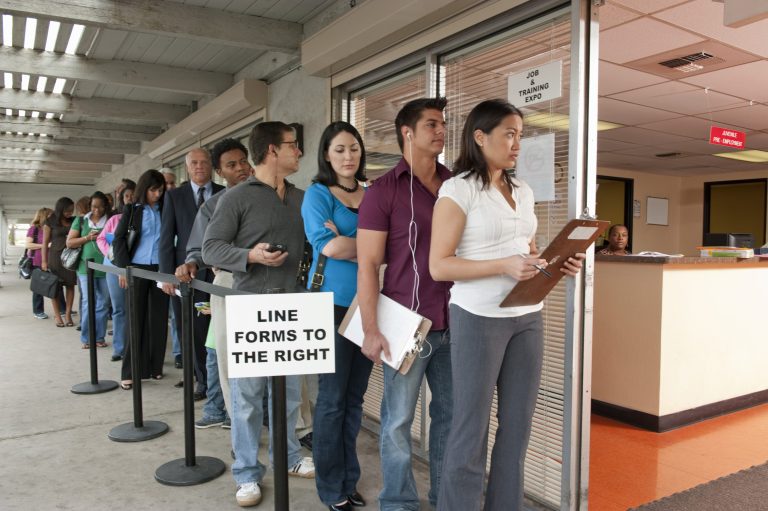
One bright spot remains the labor market. The U.S. added 187,000 jobs in July, and unemployment remains historically low at 3.7%. However, UBS notes that the pace of job creation is slowing, and wage growth has flattened, indicating that the labor market could soften in the months ahead.
Sectors such as tech, logistics, and housing have already begun layoffs or hiring freezes, suggesting that employment strength may not hold much longer if demand continues to fall.
What This Means for Investors and Markets
Stock market volatility has picked up in recent weeks, with major indices swinging on any hint of economic data. The S&P 500 dropped 1.6% last week, and Treasury yields have declined, suggesting investors are seeking safer assets amid uncertainty.
UBS recommends a defensive investment strategy:
Shift toward high-quality bonds and dividend-paying stocks.
Avoid overexposure to cyclical sectors like retail, real estate, and consumer discretionary.
Maintain cash reserves for flexibility if market conditions deteriorate further.
“This is a time for caution, not panic,” UBS emphasized. “Stall speed doesn’t guarantee a crash, but it does mean the margin for error is razor-thin.”
Global Implications: U.S. Slowdown Could Ripple Worldwide
As the world’s largest economy, the U.S. entering stall speed could trigger ripple effects across global markets. Countries dependent on U.S. imports or exports may see declining trade volumes. Global commodity prices, especially for oil and industrial metals, could fall further. And emerging markets may face capital outflows as investors seek safe havens.
Conclusion: All Eyes on the Fed and Fiscal Response
UBS’s warning has reignited debates among economists and policymakers about how to stimulate growth without reigniting inflation. Calls for targeted fiscal stimulus are growing louder, especially in sectors like infrastructure, clean energy, and manufacturing.
For now, the economy is flying—but dangerously close to stall speed. If the Fed doesn’t act soon, or if a geopolitical shock hits, the U.S. could nosedive into its first recession since the pandemic.














+ There are no comments
Add yours