


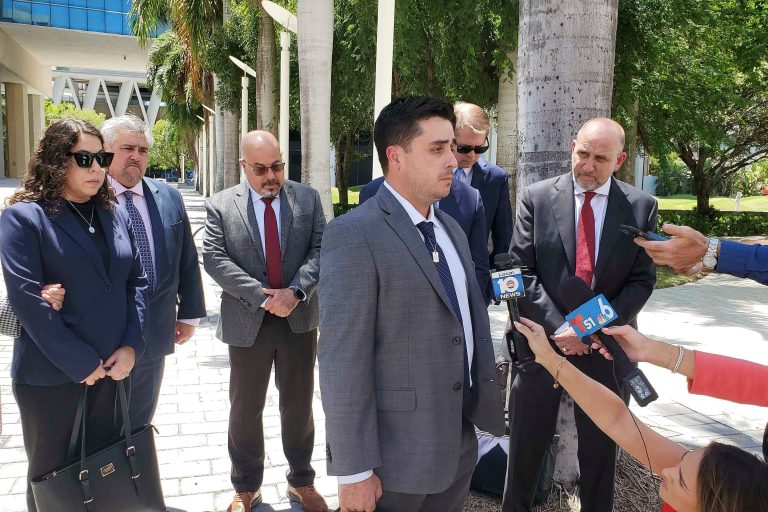
In a landmark decision that could redefine liability standards in the age of autonomous driving, a U.S. jury has ordered Tesla to pay $243 million in damages related to a fatal crash involving its Autopilot system. The ruling marks one of the largest penalties ever levied against a carmaker for a crash involving semi-autonomous technology—and experts say the repercussions for the auto industry will be profound and immediate.
The Case That Shook the EV Pioneer
The lawsuit centered around a 2022 incident in which a Model 3, allegedly operating on Tesla’s Autopilot feature, veered off the road at high speed in California, crashing into a tree and catching fire. The driver was killed instantly. While Tesla argued that the driver was misusing the technology and failed to maintain control as required, the jury found that the company had overstated the safety and capabilities of its Autopilot system.
The verdict, which includes both compensatory and punitive damages, sends a powerful message not only to Tesla but to all automakers experimenting with or marketing semi-autonomous features.
SEO Keywords: Tesla Autopilot crash, $243 million Tesla verdict, Tesla lawsuit 2025, Tesla Autopilot safety concerns, autonomous vehicle liability
‘This Will Send Shock Waves’: Industry Reaction
“This ruling will send shock waves across the automotive and tech industries,” said Daniel Ives, managing director at Wedbush Securities. “It puts a giant spotlight on accountability, transparency, and the limits of current autonomous systems. Tesla is the poster child of EV innovation, but it’s now also the face of regulatory scrutiny in the self-driving space.”
The verdict could fuel growing calls for clearer federal regulations around driver-assist technologies, many of which are marketed with terms like “Autopilot,” “Full Self-Driving,” or “Pilot Assist”—phrases that critics argue mislead drivers about the systems’ true capabilities.
SEO Keywords: Tesla legal problems, autonomous driving regulations, electric vehicle lawsuits, driver-assist system safety, Daniel Ives Tesla
A Turning Point for Autopilot and Driver-Assistance Tech
Tesla’s Autopilot system, introduced in 2015, has been both celebrated and criticized. Supporters hail it as a game-changer that reduces driver fatigue and improves long-distance travel. Critics, however, argue that Tesla has used overly ambitious marketing to oversell its technology—without taking full responsibility when something goes wrong.
The jury’s decision may compel Tesla and other companies like GM (with Super Cruise), Ford (BlueCruise), and Mercedes-Benz (Drive Pilot) to reevaluate how they advertise and implement their driver-assist systems. Moreover, it could accelerate conversations around requiring stronger driver monitoring systems, better disclaimers, and more active oversight from federal regulators.
“This is no longer just about innovation—it’s about public safety and corporate responsibility,” said Maryann Keller, an auto industry analyst.
SEO Keywords: Tesla Autopilot criticism, self-driving technology lawsuits, Tesla driver monitoring, Full Self-Driving scrutiny, car tech regulation
Tesla’s Defense—and What Comes Next
Tesla’s legal team maintained that Autopilot was never intended to replace human drivers and that warnings were clearly stated in manuals and user agreements. However, internal emails and promotional materials shown in court told a different story—one in which Tesla executives appeared to celebrate hands-free driving and portrayed Autopilot as a near-autonomous solution.
The company is expected to appeal the verdict, but legal experts say the damage to its reputation and the legal precedent set by the case could be long-lasting. If appeals fail, Tesla’s payout would mark a dramatic milestone in consumer rights and tech accountability.
Additionally, the case could open the door for a wave of new lawsuits from other drivers and families who claim Autopilot contributed to accidents.
SEO Keywords: Tesla appeal $243 million, Autopilot wrongful death case, Tesla internal emails, Tesla marketing lawsuits, driver-assist lawsuits 2025
Investor and Market Impact
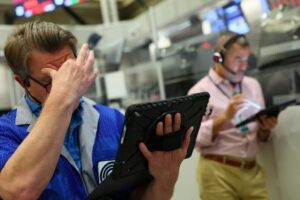
Following the announcement of the verdict, Tesla shares dipped by over 4% in after-hours trading, with investors concerned about both the financial cost and broader implications. The decision arrives at a time when Tesla is already facing mounting competition in the EV market and increased scrutiny from the National Highway Traffic Safety Administration (NHTSA) and the Department of Justice.
“Markets hate uncertainty—and this verdict throws the future of Tesla’s Autopilot and Full Self-Driving revenue into question,” said Gene Munster, managing partner at Deepwater Asset Management.
The $243 million fine, while manageable for Tesla’s balance sheet, may signal to shareholders that the legal risks of autonomous driving are rising fast, particularly in the absence of clear government regulation.
SEO Keywords: Tesla stock crash verdict, EV industry shock, Tesla NHTSA investigation, autonomous car market 2025, Tesla legal risk
Broader Implications: A Regulatory Reckoning
Legal experts believe the case could be the tipping point for legislative reform. So far, the U.S. has operated with a patchwork of state and federal oversight on autonomous driving systems. But this case could spur bipartisan action to define exactly what “driver-assistance” means and what disclosures are mandatory.
“There is an urgent need to align innovation with accountability,” said Jennifer Homendy, chair of the National Transportation Safety Board (NTSB). “We cannot allow ambiguous marketing and vague tech definitions to continue putting lives at risk.”
With Europe and China already tightening restrictions and setting clearer boundaries for automation in vehicles, the U.S. may soon follow suit—especially if more high-profile cases like this emerge.
SEO Keywords: self-driving law USA, autonomous vehicle regulation 2025, Tesla marketing regulation, NHTSA Tesla Autopilot, federal law driver assist
Final Thoughts: A Defining Moment for the Future of Driving
The $243 million verdict against Tesla is more than just a courtroom headline—it’s a defining moment in the evolution of mobility. It brings into sharp focus the ethical and legal responsibilities of tech-driven companies as they redefine fundamental human behaviors like driving. For Tesla, this may mark a turning point. For the industry, it’s a wake-up call that innovation without accountability is no longer acceptable.
As other automakers and tech firms navigate this new terrain, one thing is clear: The era of unregulated autonomous promises is coming to an end—and the consequences of getting it wrong are now impossible to ignore.








+ There are no comments
Add yours