






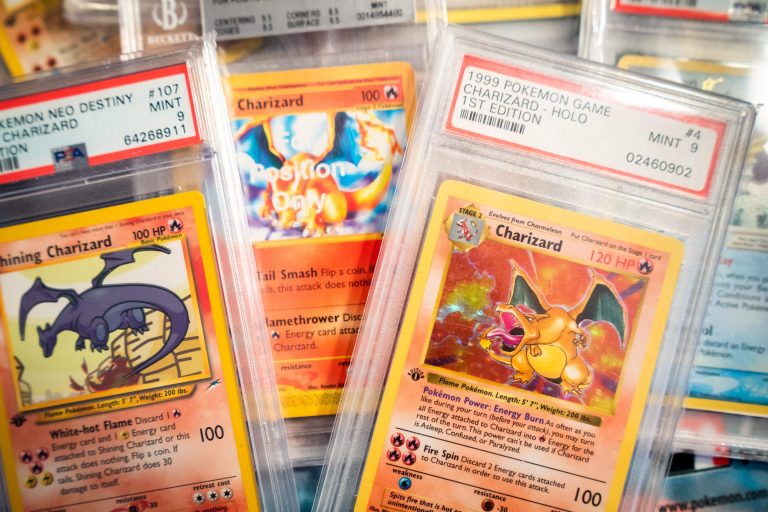
From the classroom to the collectibles market, Pokémon cards have evolved from childhood nostalgia to a speculative asset class. In 2025, the trend hasn’t slowed. In fact, it’s been supercharged—especially among Gen Z men, who are buying, grading, and flipping Pokémon cards with the confidence of Wall Street traders.
But there’s a twist: many of them now use what the internet calls “boy math” to justify why investing in a shiny Charizard or rare holographic Pikachu will eventually outperform Nvidia stock, tech ETFs, or even the S&P 500. TikTok is flooded with bold claims, memes, and spreadsheets from 20-something collectors who believe they’ve unlocked the formula for beating traditional finance.
However, experts warn that this Poké-fueled portfolio strategy might not be as magical as it seems.
The Pokémon Boom, Recharged
The Pokémon trading card market saw its first major boom during the pandemic. Fueled by lockdown nostalgia, celebrity endorsements (yes, Logan Paul’s $5 million Pikachu made headlines), and a search for alternative investments, prices skyrocketed between 2020 and 2022.
By 2025, the market has matured but still thrives. Rare cards like 1st Edition Shadowless Charizards, PSA 10 Pikachu Illustrator cards, and sealed booster boxes are still being sold for six to seven figures. Social media marketplaces, grading companies like PSA and Beckett, and even blockchain-based authentication tools have professionalized the space.
Enter Gen Z.
For them, Pokémon cards aren’t just collectibles—they’re investment vehicles. Many are now choosing to park thousands of dollars in binders and storage vaults rather than index funds or stocks. Why? Because, as they say in their videos, “Boy math says this cardboard rectangle has infinite upside.”
Breaking Down the ‘Boy Math’ Logic
The term “boy math” started as a meme, poking fun at questionable financial logic often employed by young men. In the context of Pokémon investing, it usually goes like this:
“Nvidia is up 150% this year. But my $300 Charizard could 10x if I grade it PSA 10.”
“The S&P 500 averages 8% returns. But this booster box I found in my cousin’s attic appreciated 400% since 2020.”
“If Logan Paul paid $5M for a Pikachu card, I’m early buying this $200 Trainer card.”
In short, boy math is driven by hype, anecdotal wins, and emotionally charged investing. While there are stories of massive Pokémon profits, the strategy lacks the diversification and data-backed forecasting of traditional assets.
Do Pokémon Cards Really Outperform Stocks?
Let’s break it down.
✅ The Case For Pokémon:
Scarcity & Demand: High-grade vintage cards are genuinely rare. There’s a limited supply, and as interest grows, so do prices.
Cultural Value: Pokémon remains one of the most valuable IPs in the world, spanning games, TV shows, movies, and global merchandising.
Alternative Asset Boom: Like fine art, watches, and sneakers, collectibles have gained legitimacy as a new asset class.
Portfolio Diversification: Some investors include cards as 5–10% of their alternative asset bucket.
❌ The Catch:
Liquidity Issues: Selling Pokémon cards is not as seamless as liquidating stock. Auctions can take time, and buyers may not always meet your price.
Market Volatility: Prices can drop sharply due to fads, grading bottlenecks, or oversupply.
Storage & Maintenance Costs: Proper storage, insurance, and grading fees add up.
No Intrinsic Value: Unlike Nvidia, which produces revenue-generating GPUs and dominates AI infrastructure, Pokémon cards don’t yield dividends or cash flow.
FOMO-Driven Speculation: Many cards are bought based on hype—not long-term value.
According to Yahoo Finance and a recent Deutsche Bank note, the average annual return of top Pokémon cards between 2016 and 2023 was around 12–15%, outpacing inflation and even some indexes—but still well below high-performing tech stocks like Nvidia, Tesla, or Microsoft over the same period.
What Experts Say
Nick White, a collectibles analyst at Altan Insights, notes:
“We love seeing younger generations engaging with collectibles, but it’s crucial to distinguish between passion collecting and serious investing. Right now, there’s too much ‘get rich quick’ mentality.”
Anna Klemons, a Gen Z financial influencer on TikTok, added:
“I have Pokémon cards in my portfolio—but they’re 3% of my assets. I think of them as speculative plays, not retirement plans.”
Why the Obsession Won’t Die
Despite the risks, the Pokémon craze continues. Why?
Nostalgia: Gen Z grew up with Pokémon. Owning the cards feels like reclaiming childhood memories—with adult money.
Flex Culture: Rare cards are now part of the “wealth flex” culture. Think: trading cardboard instead of driving a Lambo.
Social Media Influence: TikTok, Instagram, and Discord communities amplify success stories, creating FOMO loops.
And the truth is, it’s fun. Pokémon collecting brings joy—and when mixed with the thrill of investing, it becomes a powerful psychological cocktail.
Bottom Line: Is Boy Math Broken?
No, boy math isn’t entirely wrong. There have been astronomical Pokémon returns. A $100 booster pack from 1999 can now fetch $10,000. But that doesn’t mean every modern card or low-grade holographic is a ticket to financial freedom.
Gen Z Pokémon investors need to balance excitement with realism.
Nvidia and the S&P 500 offer consistent, historically backed performance, liquidity, and regulation. Pokémon cards? Not so much.
There’s nothing wrong with collecting. But if your entire investment thesis is based on holographic hope and TikTok trendlines, you might need to re-evaluate.
After all, even Pikachu can’t save you from a recession.















+ There are no comments
Add yours