






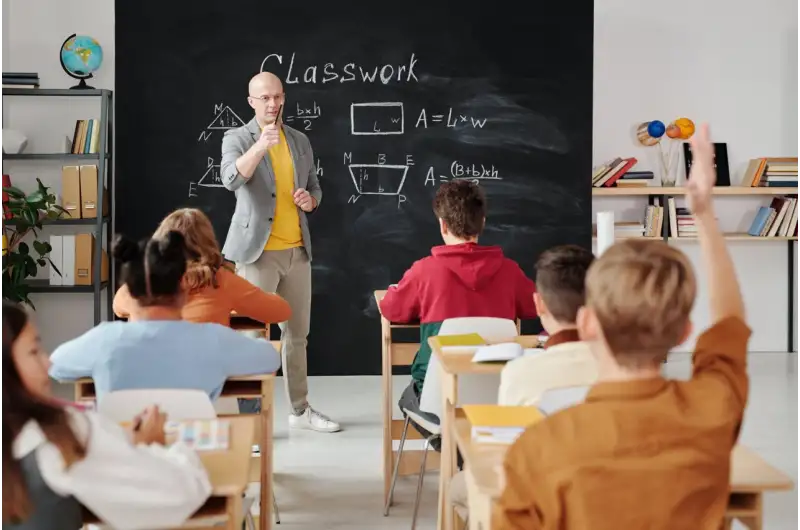
Environment & Education News — In a powerful reversal of traditional education roles, young climate leaders and students across the globe are now teaching environmental educators—showcasing how intergenerational learning is reshaping sustainability education and activism.
The dynamic is clear: young people are no longer just the recipients of environmental lessons—they’re the changemakers, innovators, and co-educators.
🔄 What Is Intergenerational Learning in Climate Education?
Intergenerational learning is the reciprocal exchange of knowledge, perspectives, and skills between people of different age groups. Traditionally, elders and experts taught youth. But in the 21st century, especially on climate issues, youth are emerging as key educators—bringing fresh urgency, digital savviness, and activist insight to the conversation.
“Climate change is not a distant theory for youth—it’s a lived experience. That’s what makes their voice so powerful,” says Dr. Nandita Basu, an environmental educator and researcher.
From high school students designing plastic-free initiatives to college youth leading biodiversity mapping projects, this bottom-up knowledge flow is driving deeper engagement and innovation among older educators.
🌍 Real-World Examples of Youth Teaching Educators
Greta Thunberg’s Global Influence: Her solo strike at age 15 ignited a worldwide movement. Many veteran environmentalists began adapting their teaching styles to reflect her urgency and clarity.
Eco-Clubs in India and Kenya: Local students have trained their teachers and village elders on composting, tree planting, and climate apps.
U.S. & U.K. Schools: In several districts, student-led climate audits have helped administrators and science teachers revise sustainability curriculums and reduce institutional carbon footprints.
“I was inspired by my own students to implement school-wide recycling and rainwater harvesting systems,” said a teacher from a New Jersey middle school.
👩🏫 How Educators Are Embracing the Shift
Environmental educators are increasingly:
Co-designing lessons with students
Using youth-led digital platforms, including climate apps and TikTok explainers
Attending student-led conferences and climate marches
Inviting young speakers to professional development workshops
Educators admit this model makes learning more authentic, updated, and inspiring.
“This new model is not about giving up authority. It’s about learning with and from the next generation,” says Priya Nair, a curriculum advisor in Bengaluru.
💡 SEO Keywords Integrated:
Intergenerational learning in environmental education
Youth-led climate activism and education
How students are teaching teachers about climate change
Climate education 2025 trends
Youth environmental leaders
School sustainability programs led by students
Young climate activists influencing curriculum
Eco-friendly education practices
🧠 Why This Trend Matters
Bridges the knowledge gap: While older generations bring experience, youth bring digital-first strategies and passion.
Fosters mutual respect: Creates inclusive, two-way learning environments.
Accelerates real change: Youth voices prompt quicker action and creative problem-solving.
“Our students don’t wait for permission to act. That inspires the rest of us to get moving too,” shared an environmental science professor in Australia.
🔍 Final Thoughts
Youth are not just the future—they are the now. Through intergenerational learning, they’re helping seasoned educators rethink environmental education from the ground up. The result? Classrooms and communities that are more responsive, more inclusive, and more effective at fighting the climate crisis.
As the world seeks bold solutions, this cross-generational model of shared leadership and learning might just be the most sustainable path forward.










+ There are no comments
Add yours