







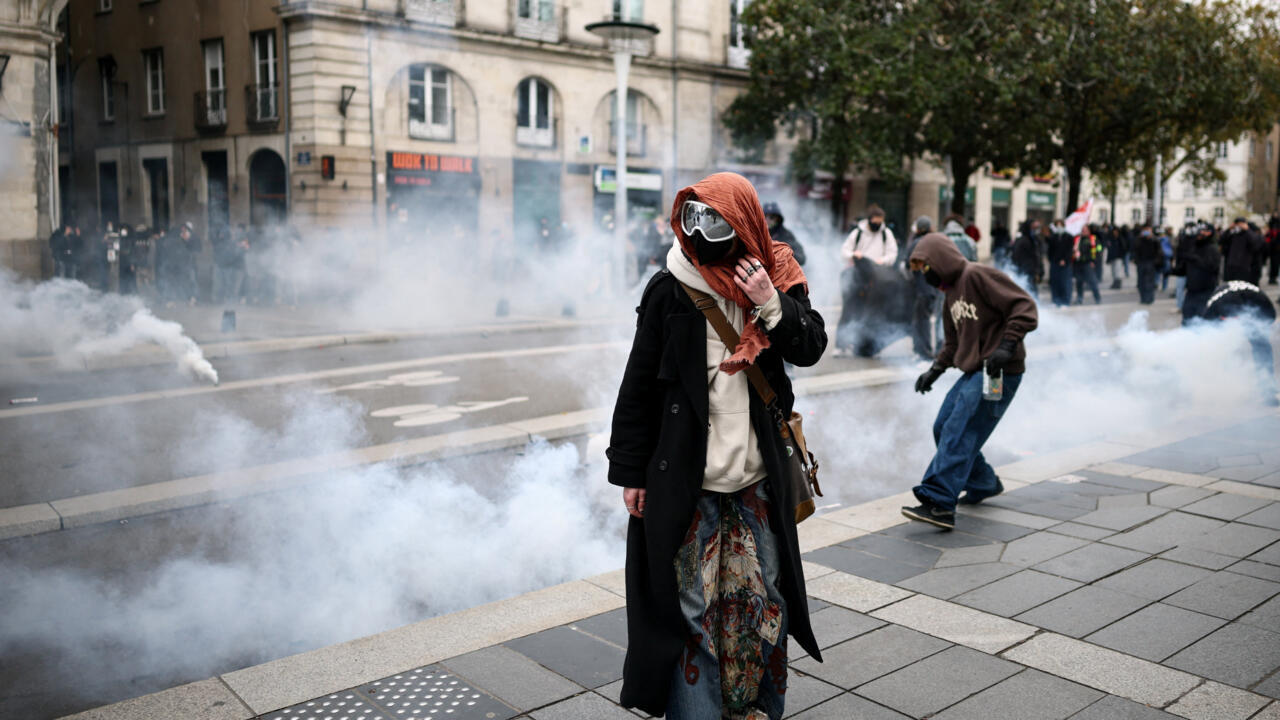
More than 9,200 testimonies collected by a feminist group raise serious questions about police tactics, public health accountability and government leadership during nationwide protests.
France is facing growing political and public scrutiny following reports that thousands of women and girls experienced menstrual and reproductive health problems after exposure to police tear gas during nationwide protests in October. The allegations have intensified debate over law enforcement practices, civilian protection and the government’s responsibility to investigate potential public health risks associated with crowd-control weapons.
According to testimonies collected by a feminist organisation, more than 9,200 women and girls reported health problems following exposure to tear gas, with approximately 94 per cent describing gynaecological symptoms. Reported conditions include unusually heavy menstrual bleeding, severe abdominal cramps, missed periods and pregnancy loss. Some women reportedly required hospital treatment because of significant blood loss.
The allegations have created a sensitive political challenge for French authorities, placing police accountability and public safety at the centre of a wider national debate. Tear gas has long been used by law enforcement agencies to disperse crowds during demonstrations. However, the reported experiences have raised questions about whether the potential health consequences of chemical crowd-control agents are receiving sufficient attention.
The controversy also highlights the difficult balance democratic governments must maintain between preserving public order and protecting citizens’ fundamental rights. While authorities have a responsibility to respond to disturbances and maintain public security, the use of force must remain proportionate, accountable and consistent with human rights obligations.
Health experts and activists are calling for further scientific investigation into the possible reproductive effects of tear gas exposure. Although the testimonies describe serious medical experiences, researchers caution that more scientific evidence is needed to establish whether the chemical exposure directly caused the reported symptoms.
The French government faces growing pressure to respond with transparency, independent research and meaningful accountability. The scale of the complaints has also encouraged wider international discussions about the safety of chemical crowd-control weapons and the responsibilities of governments during public demonstrations.
Ultimately, effective democratic leadership is measured not only by its ability to maintain order but also by its willingness to protect citizens, listen to affected communities and investigate credible allegations. For France, this controversy represents an important test of public trust, institutional responsibility and the protection of women’s health.









+ There are no comments
Add yours