







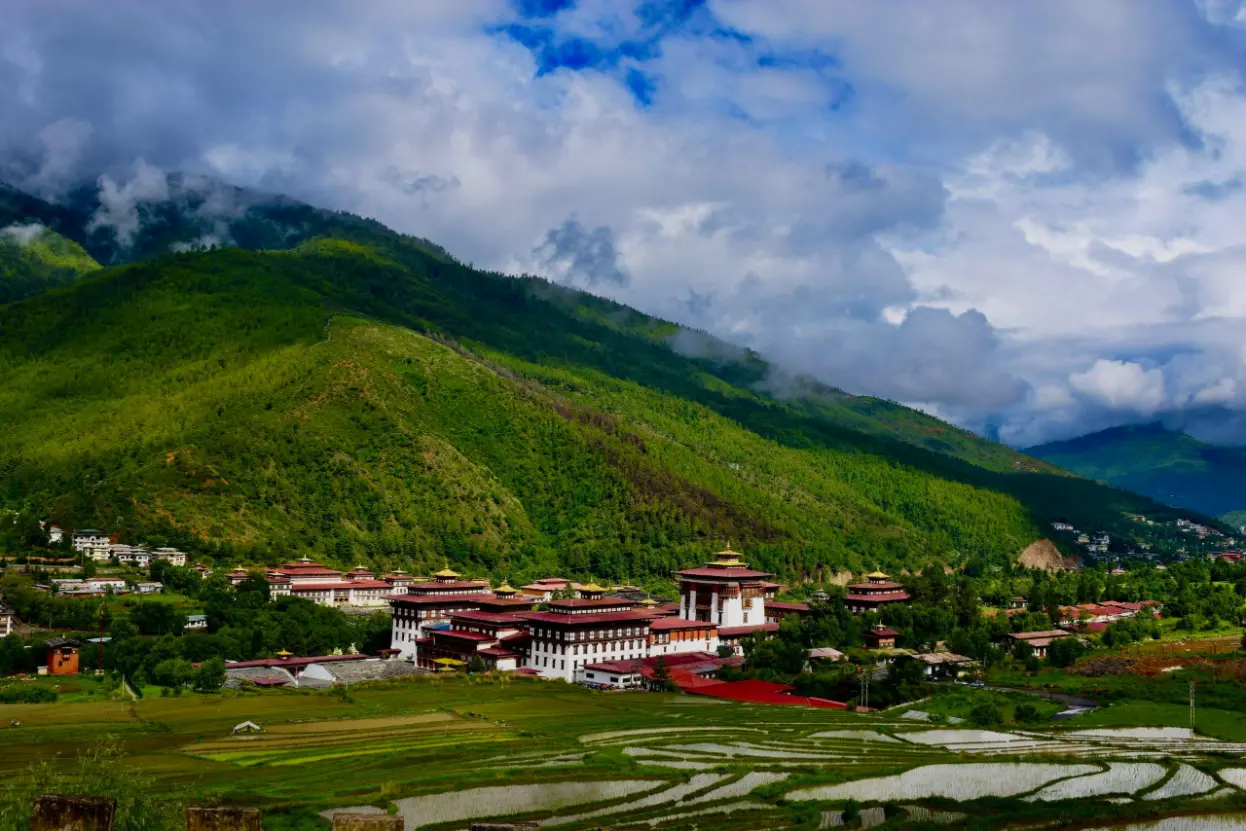
From wood-fired pizza restaurants to digitally connected monks, Bhutan is experiencing a cultural transformation as a younger generation embraces entrepreneurship, technology and new opportunities while preserving its unique traditions.
Bhutan, the small Himalayan kingdom long celebrated for its peaceful monasteries, breathtaking mountain landscapes and philosophy of Gross National Happiness, is entering a new chapter. Known internationally for its traditional lifestyle and carefully protected cultural identity, the country is now experiencing a quiet transformation driven by ambitious young Bhutanese who are reshaping its restaurants, businesses, tourism industry and everyday culture.
For generations, Bhutan has been associated with ancient Buddhist traditions, colourful religious festivals and communities living closely connected to nature. Its development philosophy, Gross National Happiness, placed collective well-being, environmental conservation and cultural preservation alongside economic progress. However, a younger generation is increasingly exploring new ways to combine these traditional values with modern lifestyles.
One of the most visible signs of this transformation can be found in the country’s growing food and hospitality scene. Young entrepreneurs are opening contemporary restaurants, independent cafés and small businesses, introducing international flavours while creating new spaces for social interaction. Wood-fired pizza restaurants, modern coffee shops and creative dining experiences are becoming part of Bhutan’s changing urban landscape.
These developments represent more than a change in eating habits. They reflect the ambitions of a generation seeking greater economic independence, professional opportunities and connections with the wider world. Young business owners are increasingly interested in building their own brands, attracting international visitors and creating employment opportunities within their communities.
Technology is also changing everyday life. Even Buddhist monks, traditionally associated with quiet monasteries and spiritual discipline, are increasingly connected through smartphones and digital platforms. Mobile technology allows younger Bhutanese to communicate internationally, access information, explore educational opportunities and participate in global conversations.
Tourism remains central to Bhutan’s international identity, but the country’s appeal is gradually expanding beyond its traditional image of remote monasteries and untouched mountain scenery. Visitors can experience spectacular Himalayan landscapes, ancient fortresses, traditional Bhutanese architecture and Buddhist ceremonies while discovering a growing contemporary lifestyle scene.
The capital, Thimphu, illustrates this changing identity particularly well. Traditional buildings and religious landmarks exist alongside modern shops, restaurants and businesses. This combination offers travellers an opportunity to experience a society balancing its cultural heritage with the expectations of a connected and increasingly ambitious generation.
However, modernization also brings important challenges. Bhutan must consider how to create employment, encourage entrepreneurship and expand economic opportunities without weakening the cultural traditions and environmental protections that distinguish the country. Young people seeking modern careers and lifestyles also face the challenge of balancing personal ambitions with the expectations of a society that places considerable importance on community and cultural identity.
The country’s changing direction also raises a wider question about the future of Gross National Happiness. Rather than abandoning the philosophy, the younger generation may be redefining what happiness and prosperity mean in a modern society. Access to education, meaningful employment, entrepreneurship, technology and personal freedom can become important parts of a broader understanding of well-being.
For international travellers, the emerging Bhutan offers something particularly fascinating: the opportunity to discover a destination where ancient traditions and contemporary ambitions exist side by side. It is no longer simply a country frozen in an idealised image of the past, but a living society adapting to a changing world.
Ultimately, Bhutan’s transformation demonstrates that modernization does not necessarily require abandoning cultural identity. Through young entrepreneurs, innovative businesses and increasing digital connectivity, the Himalayan kingdom is developing a new identity that respects its history while embracing future possibilities. The new Bhutan is not replacing its traditions; it is discovering new ways to carry them forward.








+ There are no comments
Add yours