






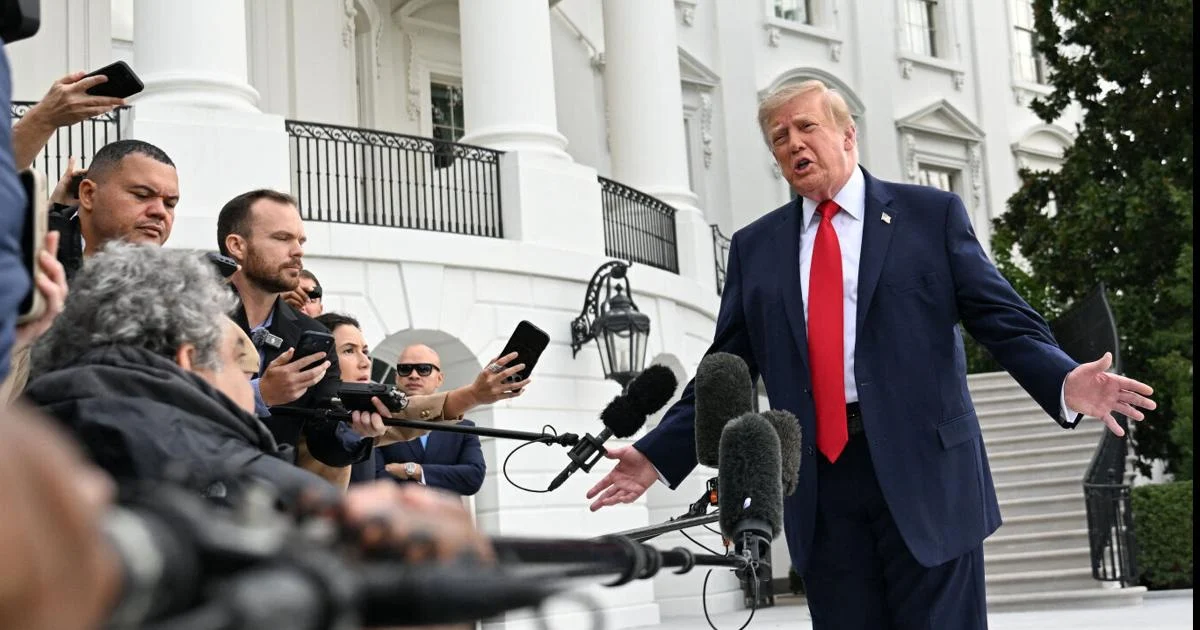
A new diplomatic effort to reopen the strategically vital Strait of Hormuz and halt fighting across the Middle East has hit an immediate setback after US President Donald Trump rejected a proposal put forward by Iran.
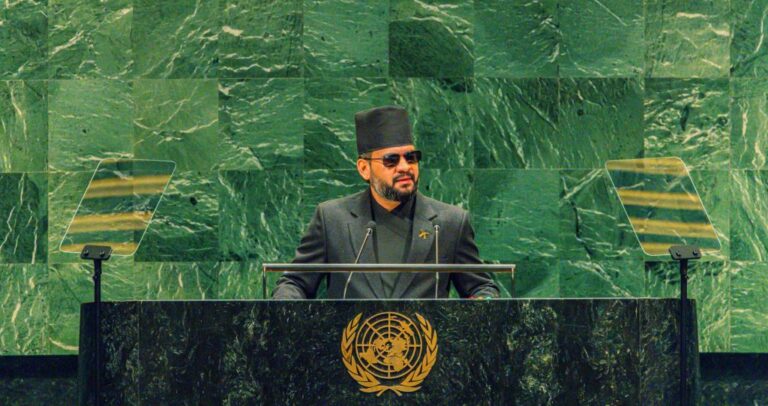
Iran had offered a seven-day roadmap under which the Strait of Hormuz could be reopened and negotiations over the wider conflict and Iran’s nuclear programme could resume. The proposal was transmitted to Washington through Qatari mediators during the United Nations General Assembly in New York, according to Iranian officials.
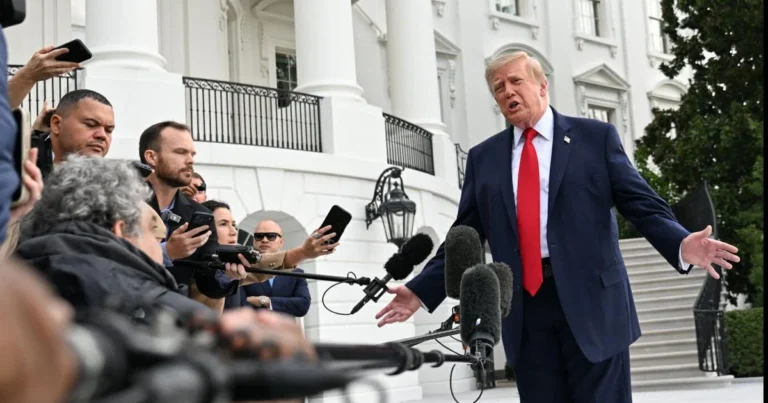
Speaking to reporters on September 26, Trump confirmed that he had rejected the proposal. He said Iran wanted an agreement that would reopen the waterway immediately, but argued that the terms were not acceptable to Washington.
The Iranian proposal was tied to several conditions. Tehran said the United States would need to lift its naval blockade of Iranian ports, ease sanctions affecting Iranian oil sales and observe a ceasefire covering the region, including Lebanon. Iran also proposed restarting broader negotiations on its nuclear programme.
The Strait of Hormuz has become one of the central pressure points in the conflict. The narrow waterway is a major route for global energy shipments, meaning prolonged disruption has consequences far beyond the United States and Iran. The continuing conflict has already affected oil flows and added pressure to the global economy.
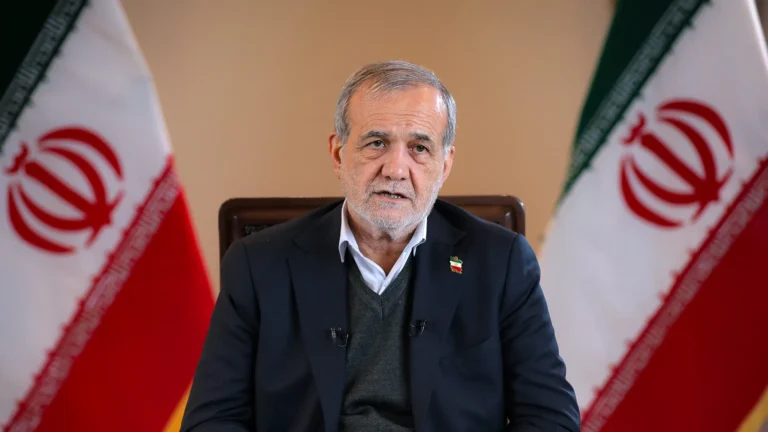
Iranian Foreign Minister Abbas Araghchi said Tehran had presented what it described as a concrete seven-day plan and that the necessary preparations for reopening the waterway were in place if Washington accepted the conditions. Iranian President Masoud Pezeshkian has also said Tehran remains open to negotiations, while expressing a lack of trust in the United States after earlier diplomatic efforts collapsed.
Despite Trump’s public rejection, the diplomatic process has not necessarily ended formally. Araghchi said on September 26 that Iranian officials were still waiting for mediators to convey Washington’s definitive position through official channels.
The latest dispute follows indirect US-Iran talks held through mediators earlier in the week. US officials had described those discussions as positive and constructive, but major differences remained over the conditions for ending hostilities and the future of Iran’s nuclear programme.
For now, the rejection leaves the Strait of Hormuz at the centre of the confrontation. A diplomatic path remains possible, but the latest exchange between Washington and Tehran shows how difficult it will be to translate indirect negotiations into an agreement acceptable to both sides.
With the waterway still at the heart of the conflict and global energy markets watching developments closely, the next moves by Washington, Tehran and the mediators could determine whether the latest diplomatic opening leads back to negotiations or gives way to another escalation.






+ There are no comments
Add yours