






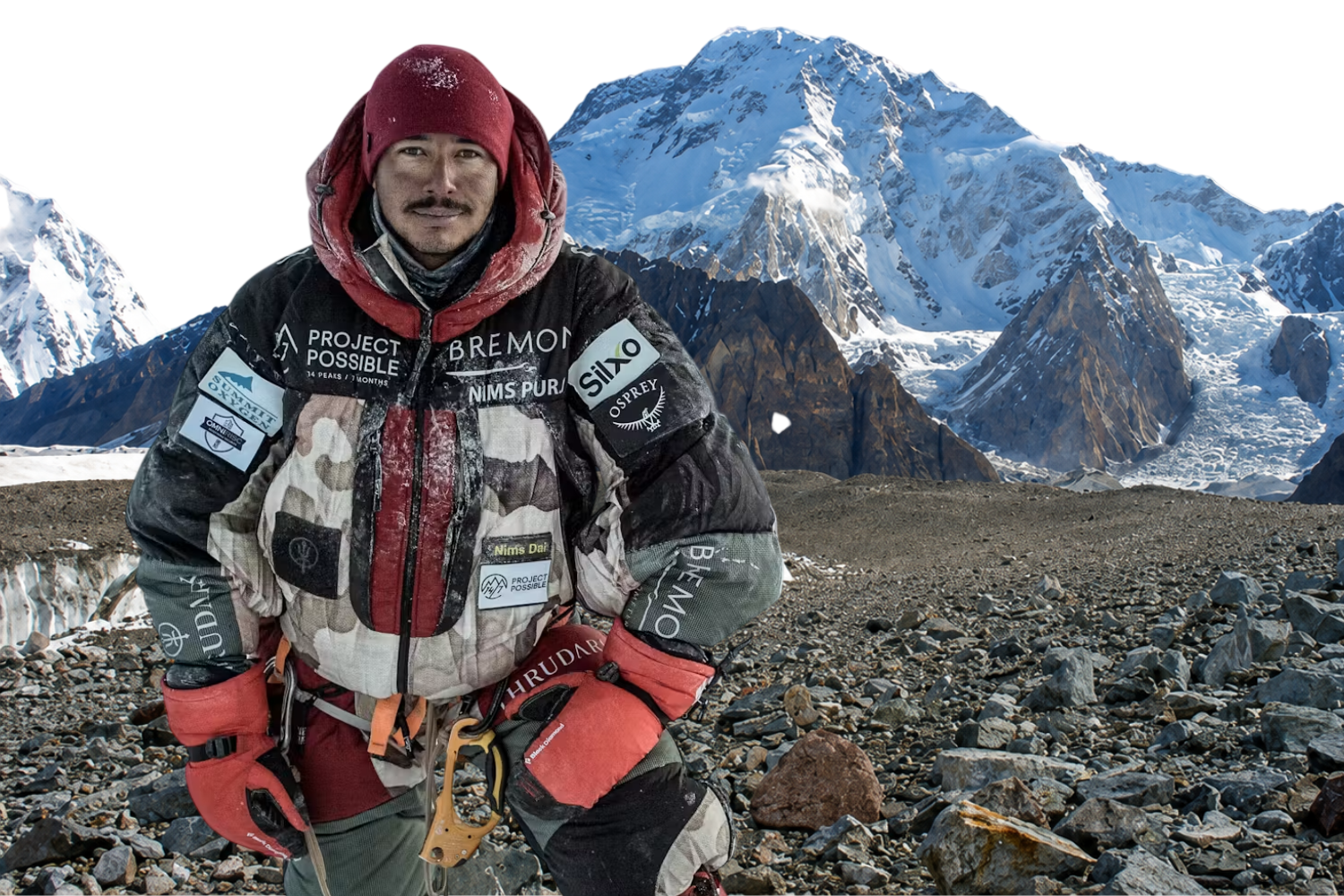
The international mountaineering community is mourning a devastating tragedy after authorities and the expedition company confirmed that all 10 climbers caught in an avalanche on Broad Peak in Pakistan’s Karakoram range have died.
The avalanche struck the team between Camps 2 and 3 during their summit push on July 30, triggering a massive search and rescue operation involving the Pakistan Army, local authorities, high-altitude rescue specialists and experienced Sherpas. Rescue efforts were repeatedly hampered by severe weather, heavy snowfall and the dangerous terrain before officials confirmed there were no survivors.
Among those killed was world-renowned British-Nepali mountaineer Nirmal “Nimsdai” Purja, whose record-breaking achievements made him one of the most celebrated climbers of his generation. Purja gained global recognition after climbing all 14 of the world’s 8,000-meter peaks in just 189 days and later led several groundbreaking Himalayan expeditions.
The climbers confirmed to have died are Nirmal “Nimsdai” Purja, Pur Bahadur Gurung “Yukta”, Nima Sherpa, Kili Pemba Sherpa, Gyalu Sherpa, Nawang Thundu Sherpa, Sohail Sakhi of Pakistan, Wang Zhong of China, Nadhira Ahmed Abdullah Al Harthy of Oman and Sarah Mallory Geis of the United States.
The expedition brought together experienced climbers and high-altitude guides from five countries, all united by a shared goal of reaching the 8,051-meter summit of Broad Peak, the world’s 12th-highest mountain. The avalanche struck without warning, leaving the team with little chance of survival.
Tributes have poured in from governments, mountaineering organizations and fellow climbers around the world, remembering the victims for their courage, professionalism and contributions to high-altitude climbing. Purja, in particular, was widely admired for pushing the limits of mountaineering while also leading numerous rescue missions that saved the lives of fellow climbers on some of the world’s most dangerous peaks.
Recovery operations remain underway as authorities work to retrieve the remaining bodies from the avalanche site. The disaster is being described as one of the deadliest mountaineering tragedies in Pakistan in recent years and serves as a sobering reminder of the unpredictable dangers that exist in the world’s highest mountains despite the experience and preparation of those who climb them.









+ There are no comments
Add yours