







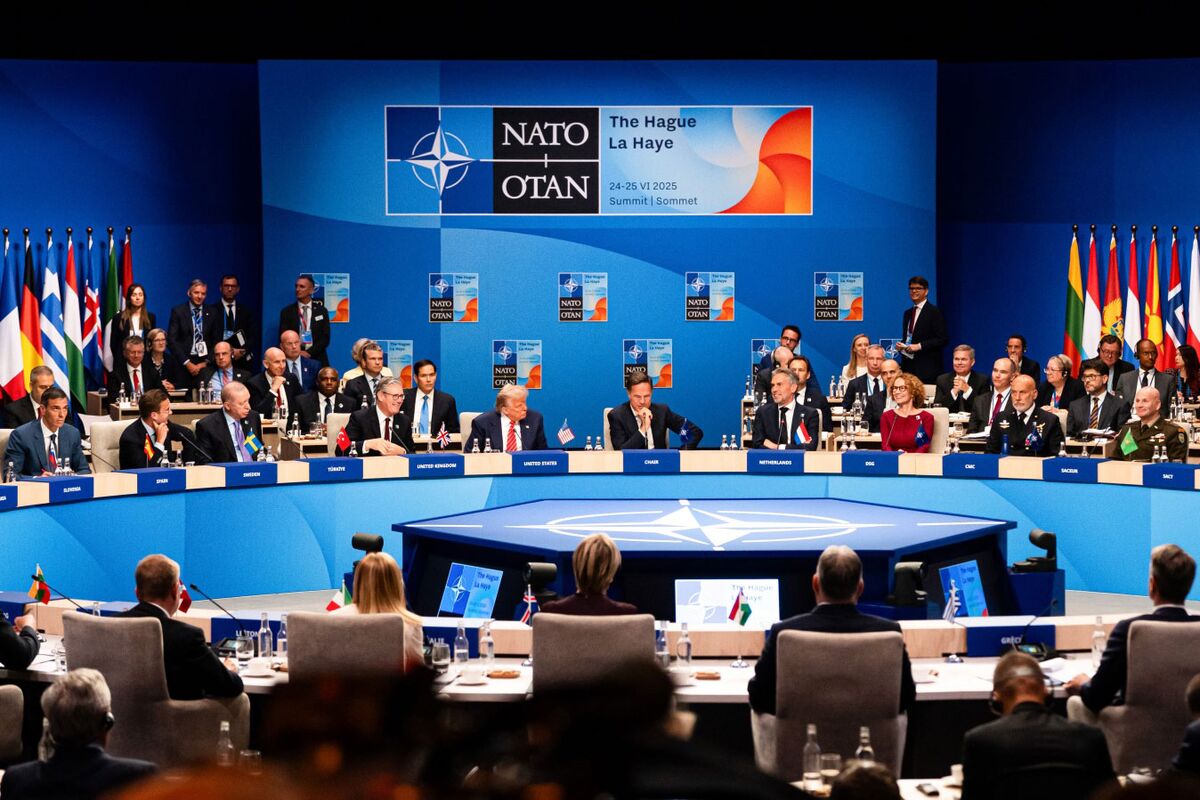
Leadership and international cooperation dominated discussions as NATO leaders gathered to address some of the most pressing security challenges facing the world, with the escalating crisis in the Middle East emerging as the central focus of the summit. The meeting brought together heads of state and government from across the alliance to reinforce collective defence commitments, strengthen military preparedness, and coordinate responses to growing geopolitical tensions.
The summit took place against the backdrop of heightened instability following recent military exchanges between the United States and Iran, developments that have raised concerns about regional security and the potential impact on global trade and energy supplies. NATO leaders emphasized the importance of maintaining unity among member nations while working to prevent further escalation through close coordination and strategic planning.
Collective defence remained a key priority throughout the discussions. Leaders reaffirmed NATO’s commitment to Article 5, the alliance’s mutual defence principle, stressing that the security of one member is the responsibility of all. Officials highlighted the need for continued investment in military capabilities, modern defence technologies, cyber resilience, and intelligence-sharing to respond effectively to evolving threats.
Defence spending also featured prominently on the agenda, with member states reviewing progress toward agreed investment targets aimed at strengthening the alliance’s readiness. Several leaders reiterated that increased defence budgets are necessary to enhance deterrence, modernize armed forces, and ensure NATO remains prepared to address both conventional and emerging security challenges.
Beyond military matters, the summit underscored the role of leadership in promoting diplomatic engagement and international stability. Leaders acknowledged that while maintaining a strong defensive posture is essential, dialogue and cooperation remain important tools for reducing tensions and preventing wider conflict. They called for continued collaboration with international partners to support peace, safeguard critical trade routes, and address humanitarian concerns arising from regional crises.
The discussions also covered long-term strategic priorities, including support for partner nations, protection of critical infrastructure, and strengthening resilience against cyber threats and hybrid warfare. NATO officials stressed that today’s security environment requires unity, adaptability, and coordinated action among allies.
As global uncertainties continue to evolve, the summit highlighted the importance of decisive leadership in navigating complex international challenges. By reaffirming shared values, strengthening collective defence, and promoting cooperation among member states, NATO leaders sought to demonstrate the alliance’s commitment to preserving peace, ensuring regional stability, and responding effectively to threats that have implications far beyond Europe.





+ There are no comments
Add yours