






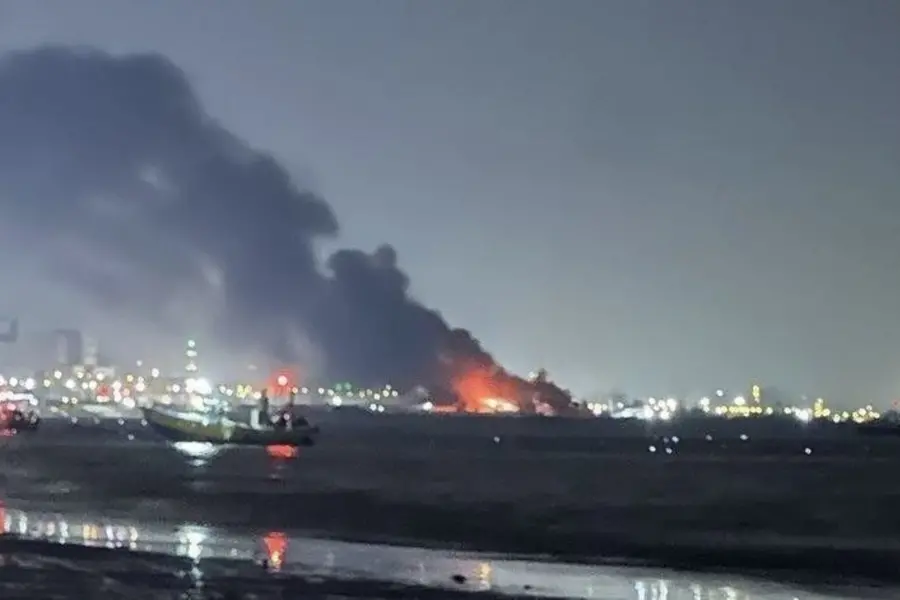
The United States has launched one of its largest military operations against Iran in recent years, carrying out what officials described as “powerful” strikes on more than 80 targets following attacks on three oil tankers in the Strait of Hormuz. The operation marks a sharp escalation in tensions between Washington and Tehran, raising fears of a broader regional conflict.
According to US Central Command (Centcom), the strikes targeted over 80 locations across Iran, including more than 60 small boats operated by the Islamic Revolutionary Guard Corps (IRGC). US forces also hit missile launch sites and command centres that officials said were linked to recent maritime attacks. Centcom stated that the operation was intended to impose heavy costs on those responsible for threatening international shipping and regional security.
Iranian state media reported that explosions were heard on Qeshm Island, Bandar Abbas and Sirik, with several people reportedly injured by flying shrapnel. While Tehran has not directly claimed responsibility for the attacks on the three oil tankers that triggered the US response, Iranian officials strongly condemned the strikes, calling them a violation of the US-Iran memorandum signed last month.
Iran’s deputy foreign minister accused Washington of breaching previous commitments and warned that Tehran would take “decisive measures” in response. Within hours, the IRGC announced retaliatory missile and drone attacks targeting US military installations in Bahrain and Kuwait.
The IRGC claimed it launched attacks on 85 key US military facilities, including the headquarters of the US Navy’s Fifth Fleet in Bahrain and an American air base in Kuwait. The extent of the damage and any casualties have not yet been independently confirmed.
The United States had previously warned that there would be serious consequences following what it described as “wholly unacceptable” attacks on commercial oil tankers transiting the Strait of Hormuz, one of the world’s most strategically important shipping routes. The waterway carries a significant share of global oil exports, making any disruption a major concern for international energy markets and global trade.
The latest exchange of military action has intensified concerns among world leaders about the possibility of a wider conflict across the Middle East. Governments are closely monitoring developments while urging restraint and diplomatic efforts to prevent further escalation.
As tensions continue to rise, international observers fear that continued military retaliation by both sides could threaten regional stability, disrupt global energy supplies and increase the risk of a prolonged confrontation with far-reaching consequences.





+ There are no comments
Add yours