







Israeli Prime Minister Benjamin Netanyahu and Finance Minister Bezalel Smotrich have sparked renewed international debate after indicating that Israel may consider establishing Jewish settlements in the Gaza Strip following nearly three years of conflict. The remarks have intensified concerns over the future of the territory, the fate of its Palestinian population, and prospects for a lasting peace.
Speaking to reporters, Smotrich said his ministry had prepared plans for three potential settlements in northern Gaza and that implementation would require approval from Prime Minister Netanyahu. The comments marked one of the strongest public indications yet that members of Israel’s governing coalition are considering a renewed settlement presence in the enclave.
In a televised interview the following day, Netanyahu declined to rule out the possibility. When asked directly whether settlements in Gaza were under consideration, the prime minister responded that he preferred “to do rather than talk,” without confirming or rejecting the proposal. His remarks have been widely interpreted as leaving the option open.
Israel withdrew its settlements and military presence from Gaza in 2005 under its unilateral disengagement plan. Any move to re-establish settlements would represent a major shift in Israeli policy and would likely face significant international opposition. Israeli settlements in the occupied West Bank and East Jerusalem are widely regarded as illegal under international law, a position rejected by the Israeli government.
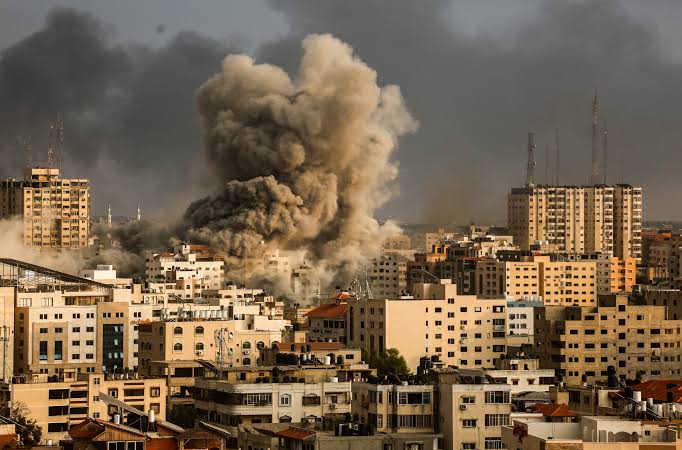
The humanitarian situation in Gaza continues to deteriorate after years of devastating conflict. Health authorities in Gaza report tens of thousands of deaths since the war began, while aid organizations and United Nations agencies warn of severe food shortages, widespread displacement, and the collapse of essential infrastructure. UN-backed experts have accused Israel of contributing to famine conditions and have raised concerns over attacks affecting civilians, including children. Israel has denied allegations that it is deliberately targeting civilians or using starvation as a weapon, stating that it operates in accordance with international law and that Hamas bears responsibility for endangering civilians by operating within populated areas.
The renewed discussion over settlements comes as diplomatic efforts to secure a ceasefire and negotiate the future governance of Gaza remain uncertain. Analysts say any proposal to establish Israeli settlements in the territory would face intense scrutiny from the international community and could further complicate efforts to reach a negotiated resolution to one of the world’s most enduring conflicts.









+ There are no comments
Add yours