






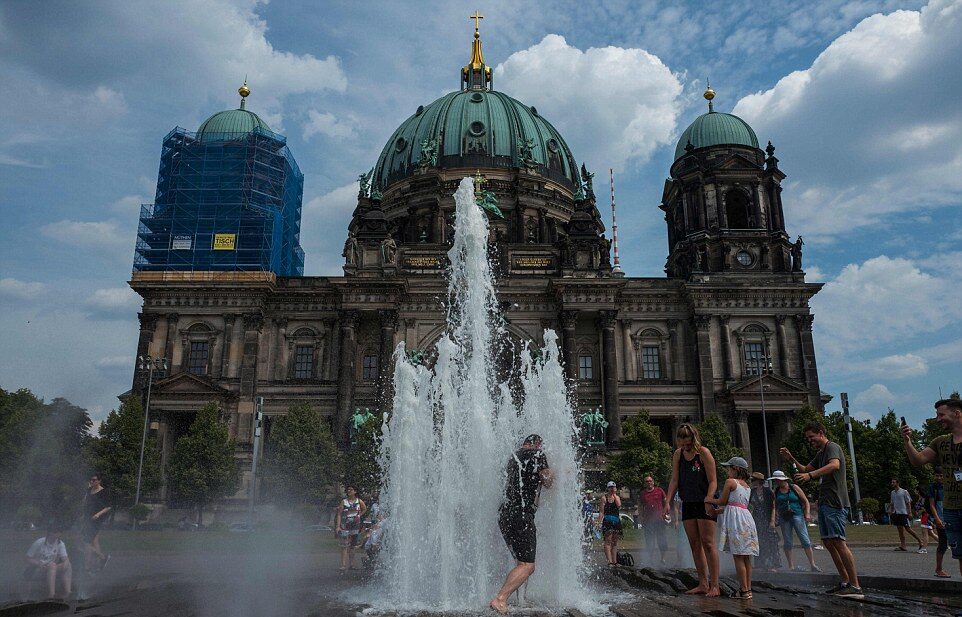
Germany is facing one of the most intense heatwaves in its recorded history, with temperatures climbing above 41°C in several regions, disrupting transport networks, damaging infrastructure and prompting renewed concerns about the country’s preparedness for extreme weather. The prolonged spell of scorching heat has highlighted not only the growing impact of climate change but also the increasing risks facing Germany’s real estate sector.
The soaring temperatures are placing unprecedented pressure on residential and commercial buildings that were largely designed to retain heat during cold winters rather than withstand prolonged periods of extreme summer heat. Many older properties lack adequate insulation for cooling, modern ventilation systems or air conditioning, making them increasingly uncomfortable and less attractive to buyers and tenants.
Property experts say climate resilience is becoming a key factor in determining real estate values. Buildings equipped with energy-efficient cooling systems, heat-resistant roofing, external shading and sustainable construction materials are expected to command higher prices, while older, energy-inefficient buildings may require costly renovations to remain competitive. Investors are also paying closer attention to environmental risks before making long-term property decisions.
Commercial real estate is also under pressure as offices, shopping centres and logistics facilities face higher electricity bills due to increased cooling demand. Businesses occupying poorly designed buildings may experience reduced productivity and rising operating costs, encouraging landlords to invest in climate adaptation measures. Meanwhile, insurers are reassessing climate-related risks, which could lead to higher premiums for vulnerable properties.
Beyond individual properties, the heatwave is influencing urban planning across Germany. Cities are increasingly investing in green roofs, tree-lined streets, parks and reflective building materials to reduce the urban heat island effect and improve living conditions. These climate-resilient features are expected to become increasingly important in future housing developments as extreme weather events become more frequent.
As Germany grapples with rising temperatures, the real estate market is entering a new era in which climate resilience is no longer an optional feature but an essential component of property value. Developers, investors and homeowners are expected to place greater emphasis on sustainable design and heat-resistant infrastructure as the country adapts to a warmer future.






+ There are no comments
Add yours