







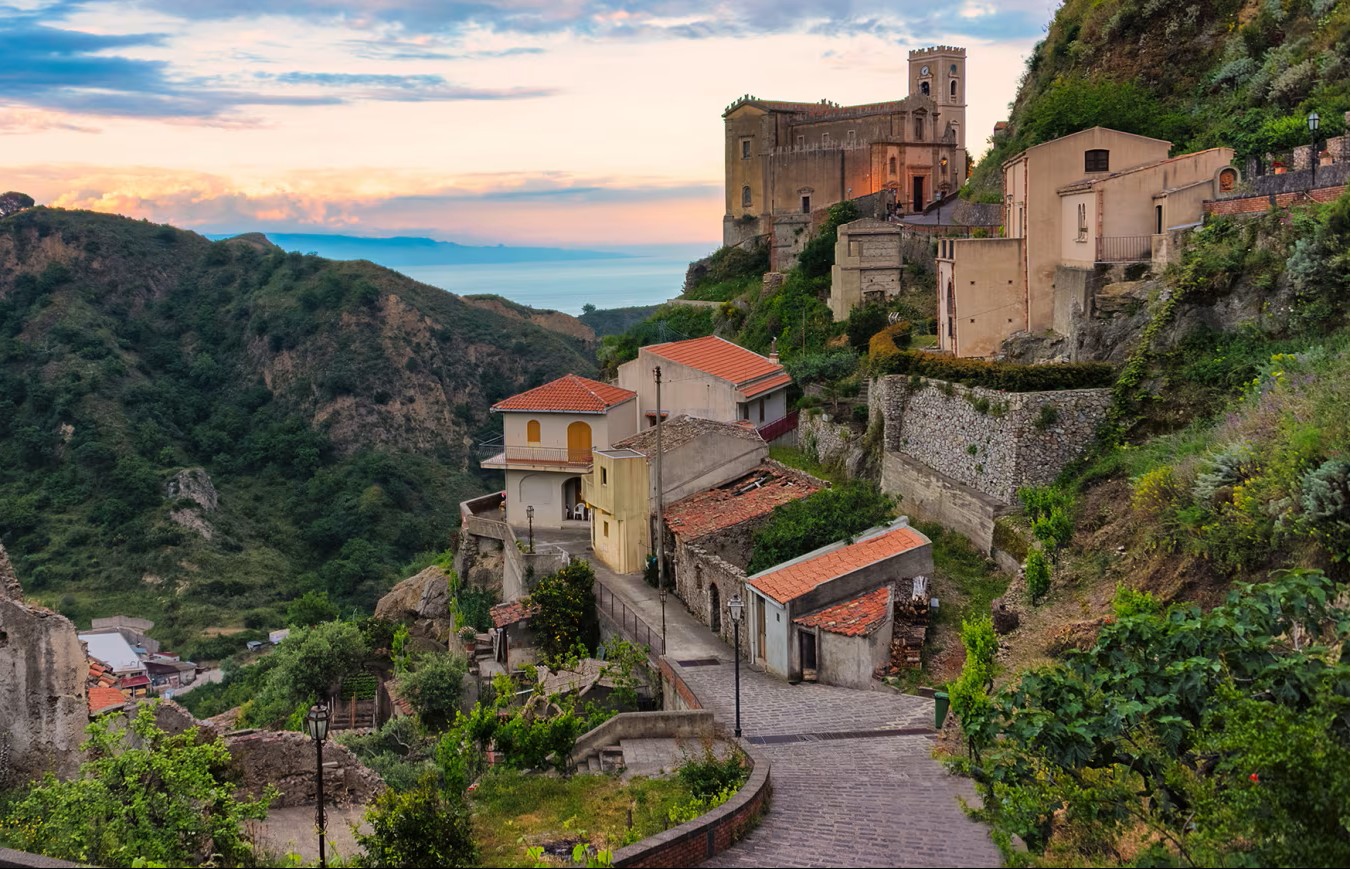
Film tourism continues to reshape travel patterns across Europe, with iconic filming locations becoming global attractions that draw thousands of visitors each year. One of the most striking examples is the Sicilian town of Savoca, famously featured in the 1972 classic “The Godfather,” which has grown from a quiet rural village into one of Italy’s most visited cinematic destinations. More than five decades after the film’s release, the town still experiences a steady flow of tourists eager to walk in the footsteps of Hollywood history, often overwhelming its narrow streets and small local population.
Savoca, once a peaceful community with limited infrastructure and fewer than a hundred residents, underwent a dramatic transformation after the film brought international attention to its landscapes and historic charm. Locals who witnessed the original filming recall how the production temporarily changed the rhythm of village life, but few could have predicted the long-term impact it would have on tourism. Today, visitors from around the world arrive to explore its preserved medieval architecture, scenic viewpoints, and locations immortalized on screen.
While Savoca represents the lasting legacy of classic cinema tourism, a new wave of filming destinations is now emerging across Europe. The French Riviera, long known for its luxury resorts, coastal beauty, and cultural heritage, has recently gained renewed attention as a filming location for modern productions such as “The White Lotus.” The region’s glamorous hotels, sun-soaked beaches, and picturesque towns provide a cinematic backdrop that continues to attract both filmmakers and international travelers.
The popularity of these destinations highlights a growing global trend where television series and films significantly influence travel decisions. Viewers are increasingly inspired to visit real-world locations seen on screen, turning fictional storytelling into real economic opportunities for local communities. This surge in interest often benefits hospitality businesses, tour operators, and small local enterprises, while also presenting challenges related to overcrowding and sustainable tourism management.
Across Europe, authorities and local communities are now working to balance the benefits of increased tourism with the need to preserve cultural identity and protect historic sites. In places like Savoca, where tourism has become a defining part of the local economy, the challenge lies in maintaining the authenticity that originally made the location attractive.
As film and television continue to shape global travel trends, destinations like Sicily and the French Riviera stand as powerful examples of how storytelling can transform real places into enduring cultural landmarks, blending cinematic history with modern tourism in a way that continues to evolve year after year.









+ There are no comments
Add yours