







Direct talks between the United States and Iran are set to begin in Switzerland, marking a significant diplomatic effort aimed at reducing escalating regional tensions and addressing ongoing security and nuclear concerns. The negotiations come at a critical moment, as conflicting reports emerge over maritime stability in the Strait of Hormuz and renewed violence linked to Israel’s military actions in southern Lebanon.
According to Iranian statements, the Strait of Hormuz was closed in response to recent Israeli strikes in Lebanon, which Tehran described as a breach of earlier understandings involving the United States to de-escalate regional conflict. However, the US military has rejected the claim, stating that maritime traffic through the strategic waterway continues to flow normally. The Strait of Hormuz remains one of the world’s most important energy shipping routes, and any disruption in the area typically raises global concerns over oil supply stability and security.
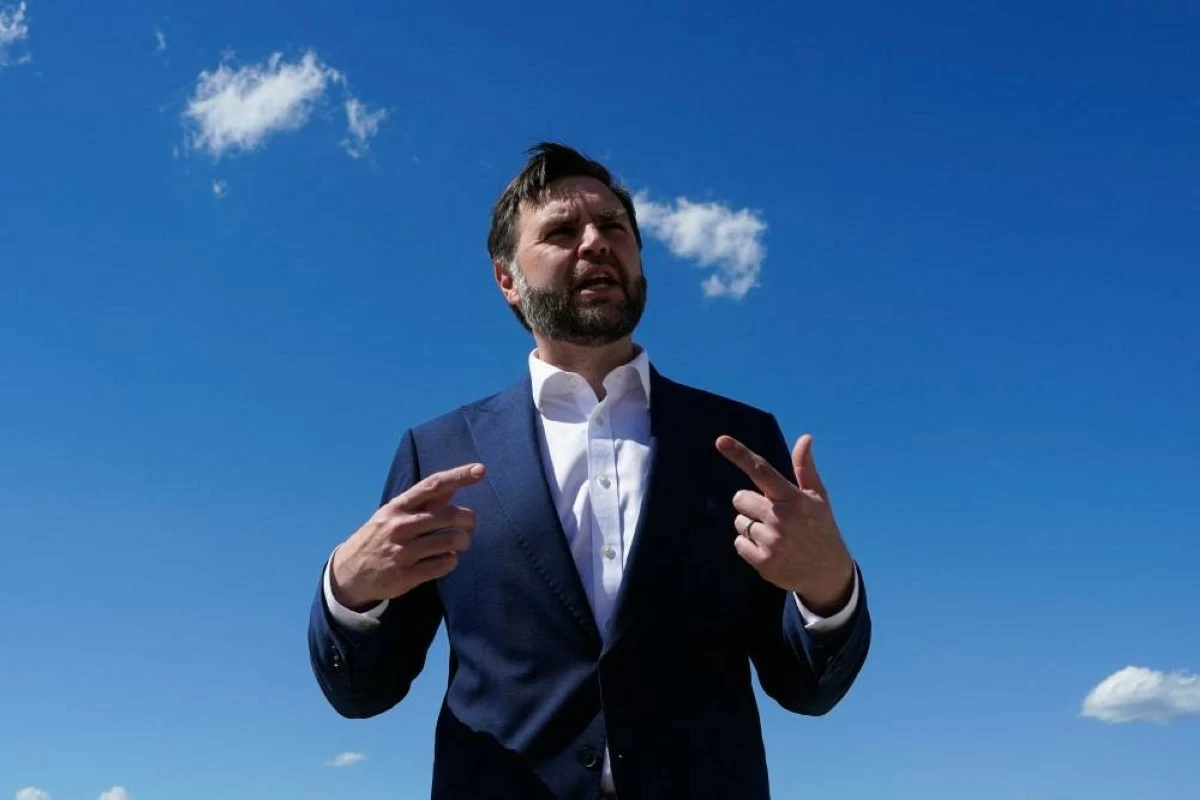
The diplomatic discussions are expected to take place later in the day in Switzerland, with high-level representatives from both Washington and Tehran in attendance. US Vice-President JD Vance arrived early Sunday morning, signaling the importance Washington is placing on the negotiations. The Iranian delegation includes senior officials such as parliamentary speaker Mohammad Bagher Ghalibaf and Foreign Minister Abbas Araghchi, reflecting Tehran’s intent to engage at a high political level.
Pakistan is also playing a mediating role in the talks, continuing its involvement in facilitating communication between the two sides. Prime Minister Shehbaz Sharif and Pakistan’s military leadership, including Field Marshal Asim Munir, are expected to participate in the broader discussions. Islamabad has previously hosted rounds of negotiations and has reiterated its commitment to supporting the implementation of any agreements reached between Iran and the United States.
The United States has stated that one of its key objectives in the talks is progress on Iran’s nuclear program, alongside efforts to secure a ceasefire framework related to the situation in Lebanon. Washington has expressed hope that diplomatic engagement can reduce tensions and prevent further escalation in the region.
Iran, meanwhile, has maintained that its actions are tied to what it describes as violations of prior agreements and ongoing regional aggression. Despite the sharp differences in positions, both sides have agreed to continue dialogue, suggesting a shared interest in preventing further deterioration of the situation.
The outcome of the Switzerland talks is being closely watched by global markets and international observers, given the potential implications for regional stability, energy security, and broader geopolitical relations.








+ There are no comments
Add yours