







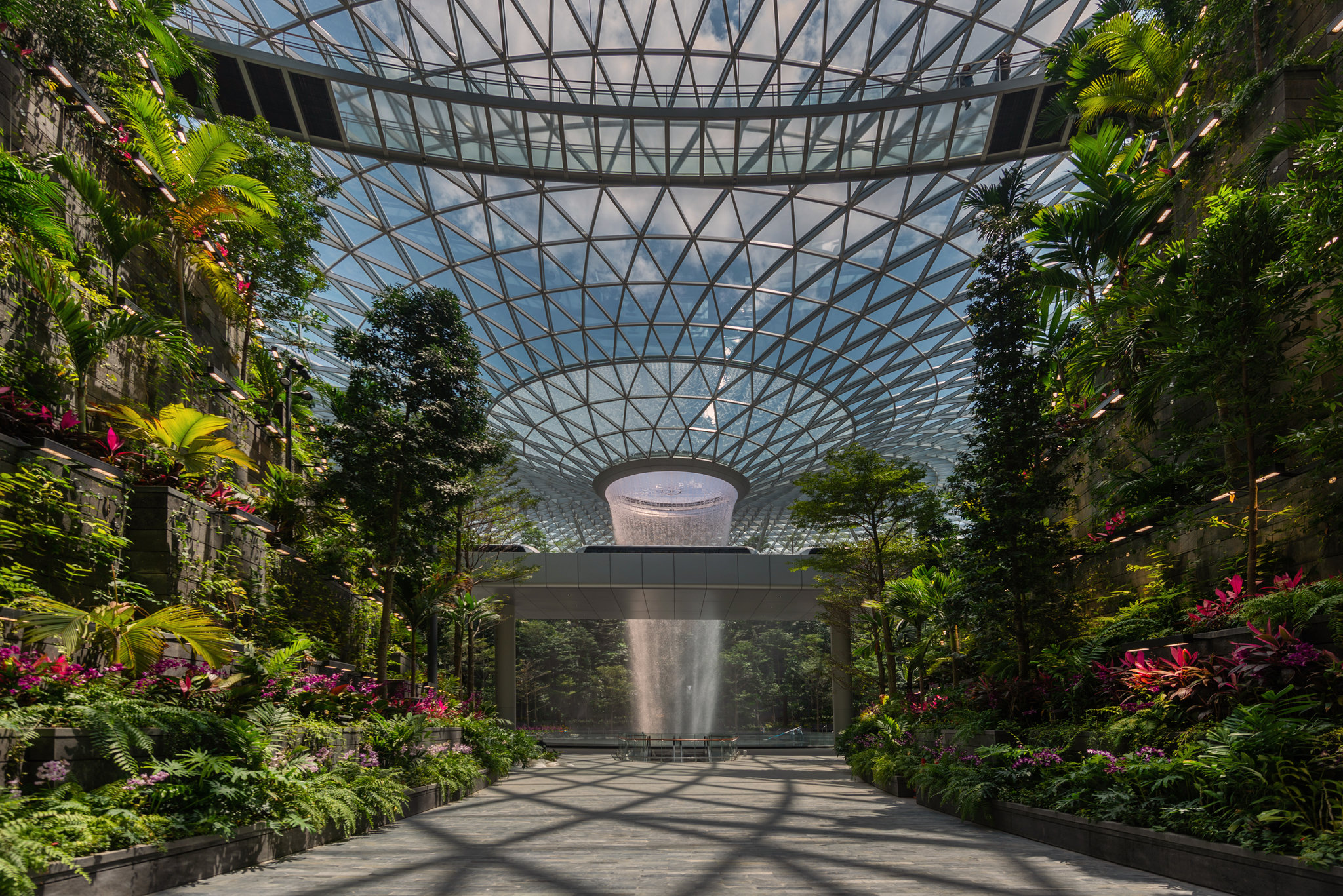
Singapore’s Changi Airport has once again been named the World’s Best Airport by Skytrax, marking its 14th overall win and reinforcing its reputation as the global gold standard for air travel. While passengers often admire its iconic waterfall, butterfly garden, and futuristic terminals, the true secret to Changi’s success lies far beyond its public attractions—embedded deep within its systems, technology, and philosophy of service.
For most travellers, air travel is associated with fatigue, delays, and friction. Long queues at immigration, slow baggage handling, and crowded terminals have become accepted inconveniences in global aviation. Yet Changi appears to operate in a different category altogether. From the moment passengers disembark, the airport is designed to eliminate stress points that define modern travel elsewhere.
Immigration clearance is often completed in minutes, supported by advanced biometric screening and automated processing systems that significantly reduce wait times. Baggage handling is highly coordinated, with precision logistics ensuring suitcases move efficiently from aircraft to arrival belts. Even airport maintenance has been transformed, with AI-powered cleaning systems and automation quietly maintaining the facility’s famously spotless environment.
What sets Changi apart, however, is not only efficiency but experience. Transit passengers can access a range of facilities that blur the line between airport and destination. These include a 24-hour cinema, indoor gardens, relaxation lounges, and immersive architectural features such as the Jewel complex, home to the world’s tallest indoor waterfall. Glass walkways over indoor ponds, curated nature spaces, and digital skylights that mimic natural weather patterns contribute to an atmosphere that feels more like a futuristic city than an airport terminal.
Behind this polished surface lies a tightly coordinated operational model. The airport’s management invests heavily in infrastructure planning, predictive analytics, and real-time monitoring systems to anticipate congestion and prevent delays before they occur. Unlike many major international airports that operate reactively, Changi’s systems are designed to be proactive, ensuring smooth passenger flow even during peak travel periods.
This emphasis on long-term planning and integration has allowed Singapore to consistently outperform larger aviation hubs. While other airports struggle with staffing shortages, aging infrastructure, or fragmented operations across multiple terminals, Changi benefits from unified management and continuous reinvestment in technology and passenger experience.
Experts often point to Singapore’s governance model as a key factor in Changi’s success. Strong coordination between aviation authorities, airport operators, and government agencies enables rapid decision-making and sustained investment. The result is an ecosystem where efficiency and passenger comfort are treated as equal priorities, rather than competing objectives.
As global air travel continues to recover and expand, Changi Airport stands as a benchmark for what modern aviation infrastructure can achieve. It is not just a transit hub, but a carefully engineered environment designed to redefine what passengers expect from air travel itself.
For millions of travellers each year, passing through Changi is less about enduring an airport and more about experiencing what the future of travel could look like.







+ There are no comments
Add yours