







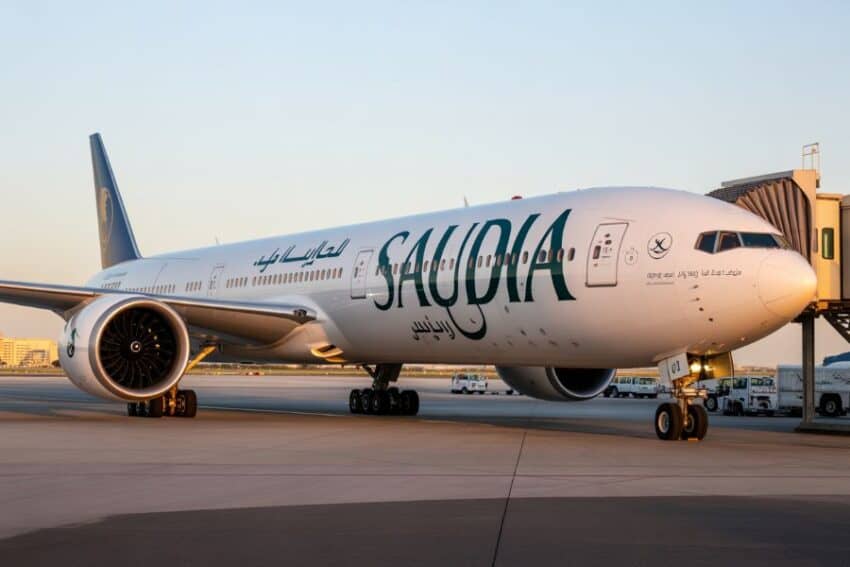
The Middle East aviation sector is entering a new phase of rapid expansion in 2026, with major carriers increasing capacity, modernizing fleets, and strengthening global connectivity as international travel demand continues to rise.
Saudia has announced a major fleet modernization program, including the addition of twelve new aircraft aimed at improving long-haul connectivity and passenger capacity. The upgrade is expected to significantly enhance routes linking Asia, Europe, and the Middle East.
The move places Saudia alongside regional giants such as Emirates and Qatar Airways, both of which have also expanded fleets and increased flight frequencies in response to surging global demand.
A key driver of this expansion is growing outbound tourism from Asia, particularly India and Indonesia, where rising middle-class travel demand is fueling international passenger traffic. Aviation analysts note that improved affordability, expanded visa policies, and increased direct flight options have contributed to the surge.
Airlines operating in the Gulf region are increasingly positioning themselves as global transit hubs, connecting passengers between Asia, Europe, and North America through efficient one-stop routes.
The expansion is expected to boost tourism flows into the Middle East, particularly for destinations like Dubai, Doha, and Riyadh, which continue to invest heavily in tourism infrastructure and entertainment sectors.
Industry experts say the aviation boom is also supporting broader economic diversification strategies across Gulf countries, reducing dependence on oil revenues and strengthening the hospitality and travel sectors.
With global demand for air travel continuing to rise, airlines are competing aggressively on fleet modernization, in-flight experience, and route expansion. Saudia’s latest upgrade signals its ambition to strengthen its global position amid strong competition from established international carriers.
However, analysts also caution that rapid expansion may bring challenges, including aircraft delivery delays, rising operational costs, and increasing pressure on airport infrastructure.
Aviation forecasts suggest that 2026 could be one of the strongest years for global air travel in over a decade, with sustained demand from both leisure and business travelers. The Middle East is expected to remain one of the fastest-growing aviation regions globally.
As airlines continue expanding, the sector is likely to play a central role in shaping international tourism patterns and global connectivity throughout the year.









+ There are no comments
Add yours