







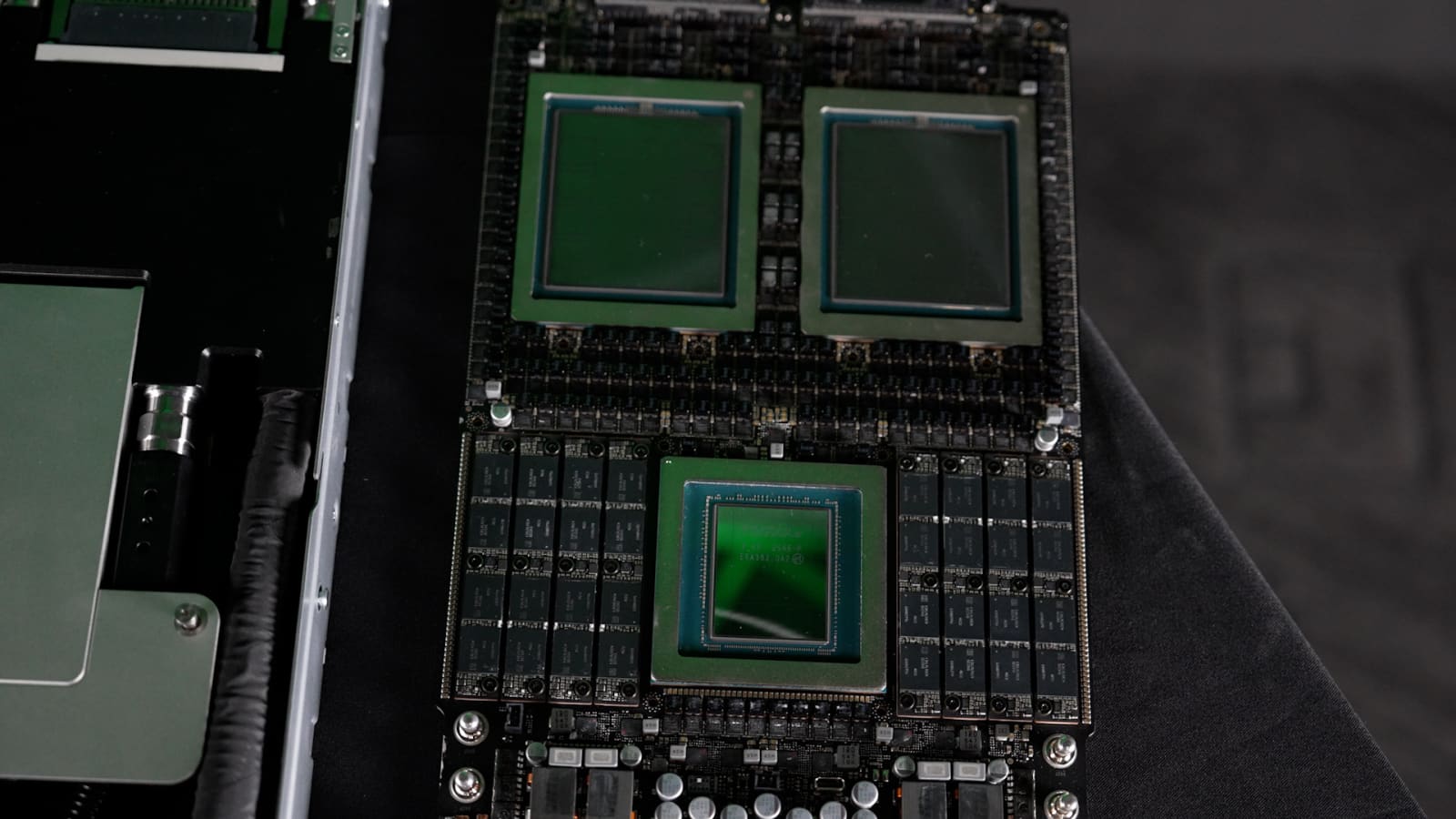
The United States has taken a new step to tighten controls on advanced semiconductor exports, issuing guidance aimed at halting shipments of high-end AI chips from Nvidia Corporation to Chinese-linked firms operating outside China.
The move comes amid growing concerns in Washington that advanced artificial intelligence hardware may have been reaching Chinese companies through overseas subsidiaries, despite existing export restrictions. Officials believe that indirect procurement channels could be allowing restricted technology to bypass controls.
The guidance specifically targets shipments that could be routed to subsidiaries of Chinese AI firms located in third countries, a loophole policymakers say may have enabled access to cutting-edge AI computing power.
The decision highlights the ongoing strategic competition between the United States and China over leadership in artificial intelligence and semiconductor technology. US authorities have already implemented multiple rounds of export controls in recent years to limit China’s access to advanced chips used in AI training, supercomputing, and military applications.
Industry analysts say the latest step reflects a broader tightening of enforcement rather than a completely new policy direction. However, it could increase compliance pressure on global semiconductor supply chains and complicate sales processes for US chipmakers operating internationally.
Companies in the semiconductor sector may now be required to conduct enhanced due diligence to ensure that end-users and subsidiaries are not indirectly linked to restricted entities. This could slow down shipments and increase regulatory scrutiny across multiple regions.
China has repeatedly criticized US export controls, arguing that they disrupt global supply chains and hinder technological cooperation. Beijing is also accelerating its domestic semiconductor development efforts in response to restrictions on advanced chip imports.
The evolving restrictions underscore the growing role of AI hardware in global geopolitics. As competition intensifies, control over advanced computing technology is increasingly seen as a key factor in national security and economic power.
For now, industry stakeholders are closely watching how the new guidance will be implemented and whether it will lead to further restrictions in the already tightly regulated semiconductor trade environment.










+ There are no comments
Add yours