




For centuries, rulers have immortalized their power through monumental architecture — pyramids rising from deserts, palaces carved into mountainsides, and sprawling cities built to project authority far beyond their time. In the modern Middle East, Saudi Crown Prince Mohammed bin Salman, widely known as MBS, has attempted something even more ambitious: a transformation not only of landscape, but of an entire national identity.
Launched a decade ago, Saudi Arabia’s Vision 2030 was introduced as a bold blueprint to reshape the kingdom’s future beyond oil. Powered by the immense financial strength of the country’s Public Investment Fund (PIF), worth nearly $1 trillion, the project promised technological revolutions, futuristic urban centers, and a new era of economic diversification. The irony was striking — oil wealth itself would finance the transition away from oil dependence.
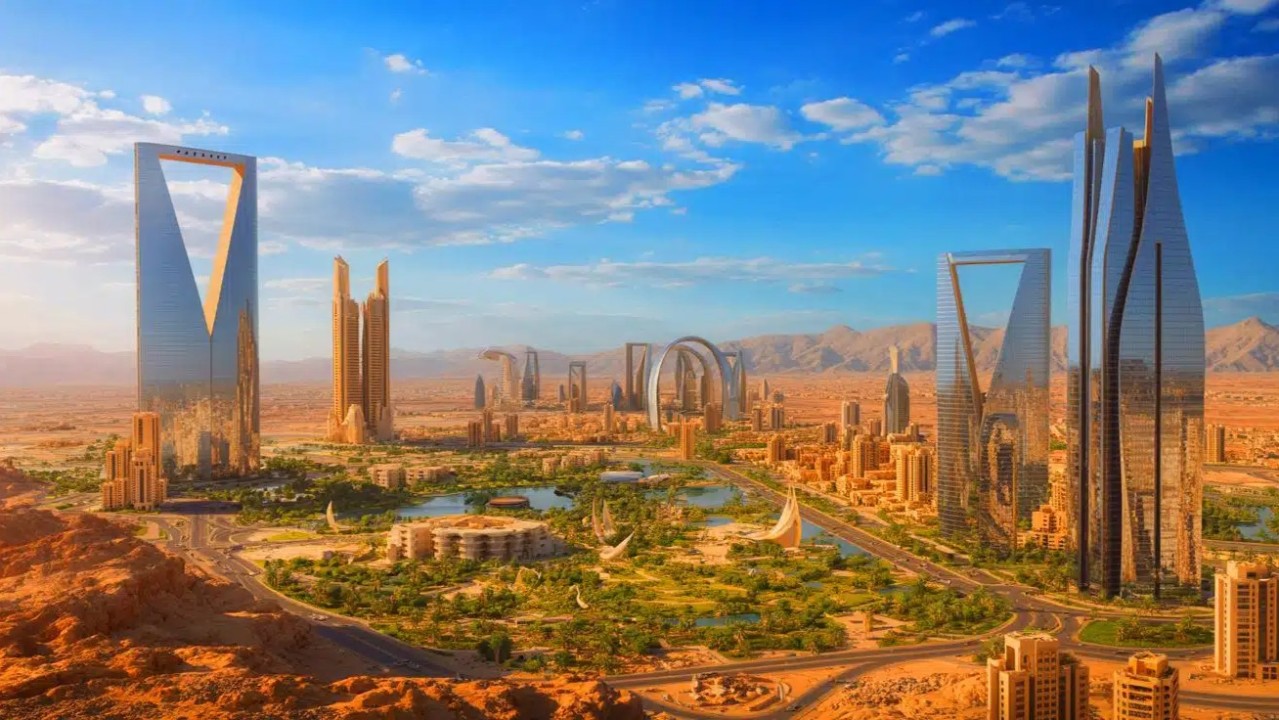
The world quickly became captivated by the dazzling concepts unveiled through glossy promotional campaigns. At the center of global fascination stood Neom, a proposed mega-city in the desert featuring “The Line,” a pair of mirrored skyscrapers stretching 170 kilometers across barren terrain. The plans seemed pulled directly from science fiction: flying taxis, artificial moons, robot workers, and carbon-neutral living powered entirely by renewable energy.
Supporters hailed Vision 2030 as a courageous leap into the future, arguing that Saudi Arabia needed radical transformation to survive a post-oil world. Massive investments in tourism, entertainment, sports, and technology signaled the kingdom’s determination to modernize both economically and socially. Restrictions eased, concerts flourished, and international businesses began exploring opportunities once unimaginable in the conservative Gulf state.
Yet skepticism grew alongside the excitement. Critics questioned whether such colossal projects were economically sustainable or technologically realistic. Delays, rising costs, and scaling back of some flagship developments fueled doubts about whether the vision could ever fully materialize. To some observers, the futuristic renderings risk becoming digital relics ambitious fantasies preserved more vividly online than in physical reality.
Still, Vision 2030 represents more than construction plans or architectural spectacle. It reflects a ruler’s attempt to redefine his nation’s place in the world at a historic crossroads. Whether Saudi Arabia ultimately achieves its futuristic ambitions or leaves behind only fragments of unfinished dreams, the scale of the undertaking has already secured its place as one of the most audacious national experiments of the 21st century.



+ There are no comments
Add yours