







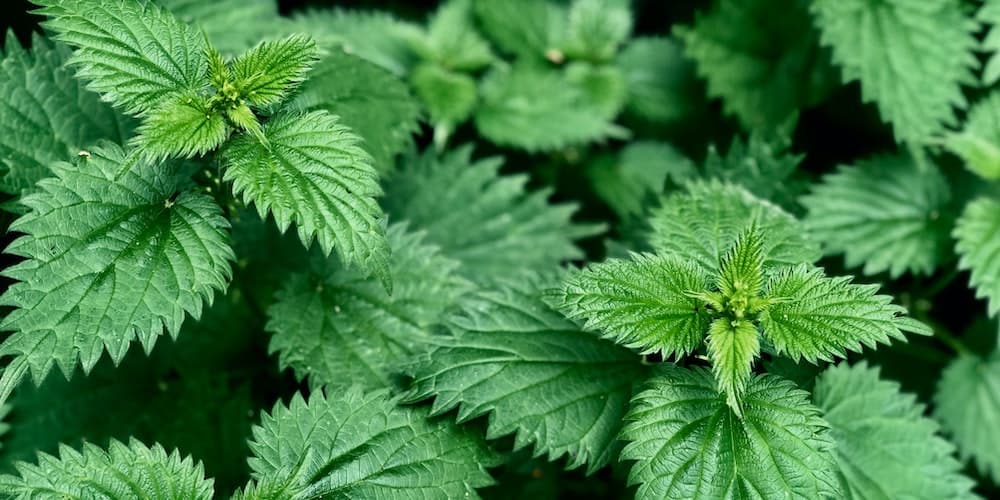
Every spring, allergy season arrives with the same familiar symptoms: watery eyes, constant sneezing, and a congested nose that seems impossible to clear. While most people rely on antihistamines or nasal sprays, an unlikely candidate has long been studied in herbal medicine as a potential source of relief stinging nettle (Urtica dioica).
At first glance, the idea seems contradictory. Stinging nettle is infamous for the sharp burning rash it causes on contact. Its leaves are covered in tiny hair-like structures called trichomes, which inject a mixture of histamine, formic acid, and acetylcholine into the skin when brushed against. The result is immediate irritation, redness, and discomfort. Even its airborne pollen can trigger seasonal allergic reactions in sensitive individuals, contributing to symptoms such as rhinitis and conjunctivitis. A plant so closely associated with allergic responses appears, at first, an unlikely remedy.
Yet allergic rhinitis itself is a complex immune process rather than a simple reaction. When a sensitized person inhales pollen, the immune system mistakenly identifies it as a harmful invader. IgE antibodies bind to mast cells and basophils, triggering the release of histamine and other inflammatory mediators. This cascade leads to swelling of nasal tissues, increased mucus production, sneezing, itching, and general discomfort. Research also suggests that oxidative stress and inflammatory pathways play a significant role in amplifying these symptoms, affecting a substantial portion of the global population during pollen seasons.
The paradox of nettle lies in the difference between its raw and processed forms. While the fresh plant causes irritation, dried or extracted forms used in herbal medicine undergo chemical changes that neutralize its stinging compounds. What remains are bioactive substances such as flavonoids, lignans, and phenolic acids, which have attracted scientific interest for their potential anti-inflammatory and immune-modulating effects. Laboratory and early clinical studies suggest that nettle extracts may influence pathways involved in histamine release and inflammatory signaling, offering possible relief for some individuals experiencing seasonal allergies.
Historically, nettle has been used in traditional medicine for centuries, with records dating back to ancient Greece and later European herbal practices. It has been applied for a range of conditions, from joint discomfort to skin irritation and respiratory complaints. Modern research is now beginning to examine these traditional claims through controlled studies, though the evidence remains preliminary and not yet conclusive. Most findings indicate potential symptom relief in certain cases, but not a consistent or standalone therapeutic effect.
Despite growing interest, nettle should be approached with realistic expectations. It is not a replacement for established allergy treatments, and responses can vary widely between individuals. Its role is best understood as complementary, situated within a broader context of allergy management rather than as a primary intervention.
In the end, stinging nettle represents a biological contradiction that reflects the complexity of natural compounds. A plant that can irritate the skin on contact may, when properly processed, contribute to easing internal inflammatory responses. This duality is part of what continues to draw attention from researchers and herbal practitioners alike. It also serves as a reminder that nature often resists simple categorization, and that even the most unlikely plants may hold multiple roles in the relationship between humans and health.










+ There are no comments
Add yours