







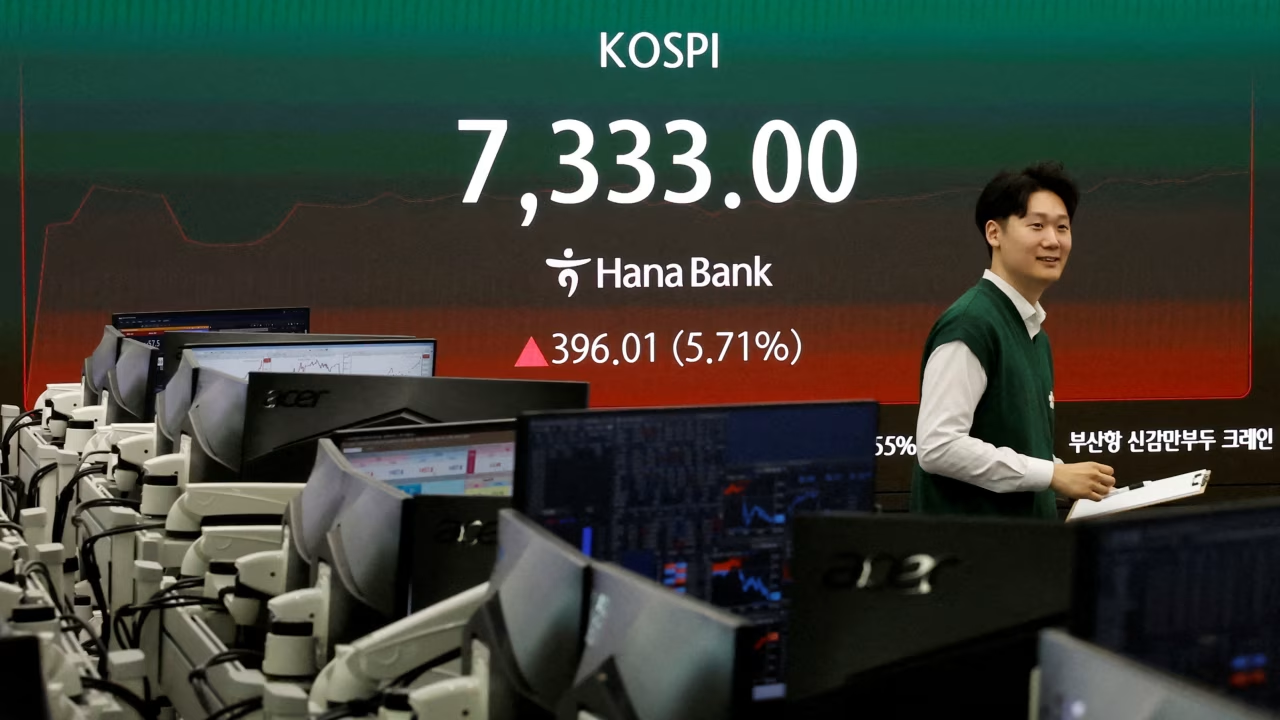
Asian stock markets rallied to historic highs on Thursday as growing optimism over a possible peace agreement in the Middle East boosted investor confidence, while the U.S. dollar weakened and oil prices remained under heavy pressure amid expectations of easing regional tensions.
Investors across global markets reacted positively to reports suggesting progress toward a diplomatic breakthrough that could reduce the risk of a wider conflict in one of the world’s most strategically important regions. The prospect of stability sent shares soaring across major Asian financial centres, with technology, energy and manufacturing stocks leading the gains.
Market sentiment improved sharply after indications that negotiations aimed at ending hostilities were moving forward, raising hopes that disruptions to global trade and energy supplies could soon ease. Analysts said traders rapidly shifted toward riskier assets as fears of prolonged instability began to fade.
At the same time, the U.S. dollar slipped against major currencies as investors moved away from safe-haven assets that had strengthened during recent geopolitical uncertainty. Currency markets reflected growing expectations that reduced tensions could stabilise international trade and lower inflationary pressures tied to energy costs.
Oil prices, however, continued to struggle after suffering steep losses in previous sessions. Traders believe a successful peace deal could reduce the likelihood of supply disruptions in the Gulf region, easing fears that had previously pushed crude prices higher. Despite the decline, uncertainty still surrounds the future of the Strait of Hormuz — the narrow but critically important waterway through which a significant portion of the world’s oil shipments passes each day.
Any threat to the Strait of Hormuz has the potential to send shockwaves through global energy markets, making it a key focus for investors and governments alike. While hopes for peace have improved sentiment, analysts warn that unresolved security concerns in the region could quickly reverse market optimism if negotiations collapse.
Global investors are now closely monitoring diplomatic developments, with financial markets reacting rapidly to every signal emerging from negotiations. Economists say a lasting agreement could help stabilise energy prices, support global economic growth and reduce pressure on central banks already battling inflation and slowing demand.
The rally in Asian markets reflects growing confidence that geopolitical risks may finally be easing after weeks of uncertainty. However, traders remain cautious, recognising that fragile negotiations and unresolved regional tensions still carry the potential to trigger fresh volatility across financial markets worldwide.









+ There are no comments
Add yours