





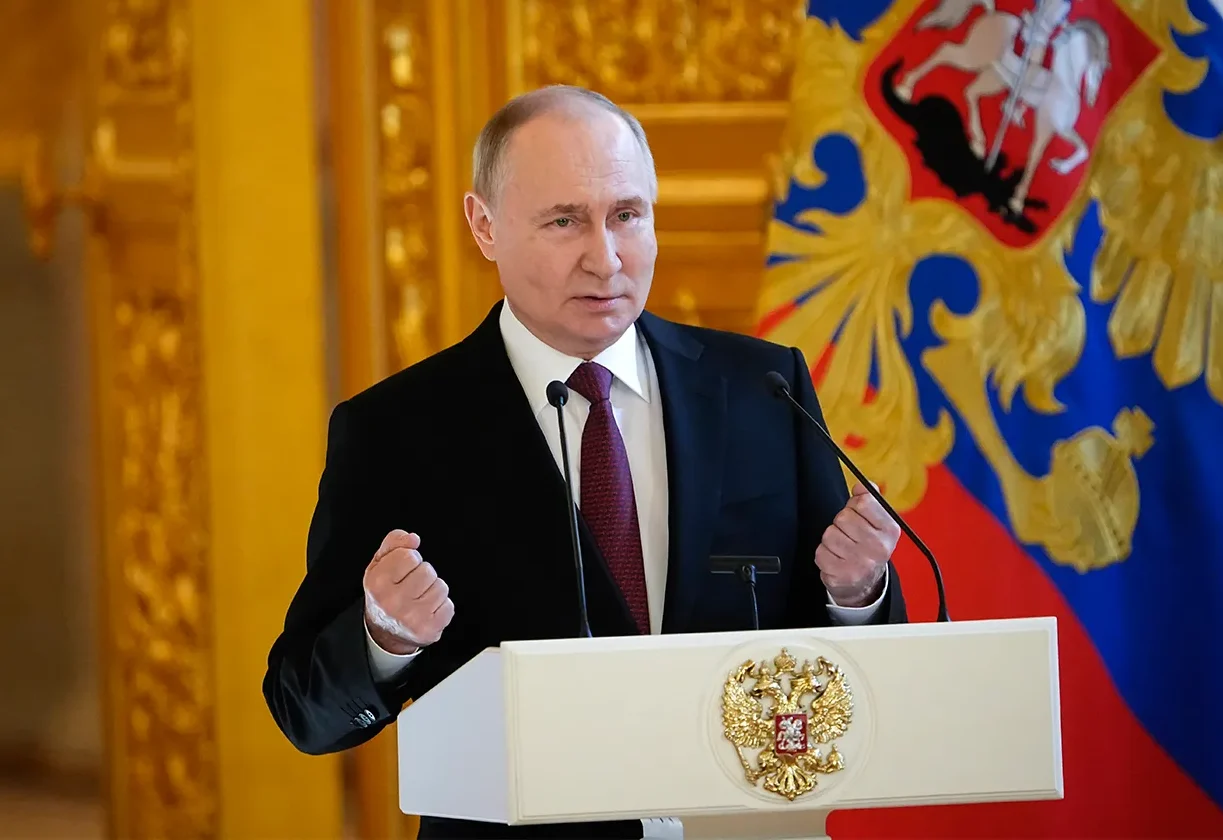
Few modern leaders have influenced global politics as dramatically and controversially as Vladimir Putin. For more than two decades, the Russian president has remained one of the world’s most powerful and unpredictable political figures, redefining Russia’s role on the international stage while challenging Western dominance in global affairs.
Since first rising to power in 1999, Putin has built an image of strength, discipline and absolute control. Under his leadership, Russia transformed from a weakened post-Soviet state into a major geopolitical force capable of shaping conflicts, energy markets and international diplomacy. Supporters view him as the leader who restored Russian pride and stability after years of political and economic chaos. Critics, however, accuse him of suppressing opposition, restricting freedoms and expanding authoritarian rule.
Putin’s leadership style is built on projecting power. Whether through military operations, strategic alliances or energy influence, he has consistently positioned Russia as a nation unwilling to bow to foreign pressure. His decisions in regions such as Ukraine, Syria and Eastern Europe have altered global security calculations and intensified tensions between Russia and Western nations.
Beyond politics, Putin carefully cultivates a public image of toughness and resilience. Photographs of him riding horses, practising martial arts and participating in military exercises have become symbolic of the strongman persona he projects both domestically and internationally. This carefully managed image has played a significant role in maintaining his popularity among many Russians who value stability and national strength.
His influence extends far beyond Russia’s borders. Every major geopolitical crisis involving Moscow inevitably places Putin at the centre of global attention. World leaders continue to study his strategies, negotiate with him cautiously and prepare for the consequences of his next move.
Despite sanctions, diplomatic isolation and mounting international criticism, Putin remains a dominant figure in global politics. His ability to survive political pressure and maintain control has made him one of the most enduring leaders of the 21st century.
As the world enters an era of shifting alliances and rising tensions, Putin’s decisions continue to carry enormous consequences for global security, energy markets and international diplomacy. Whether viewed as a defender of national interests or a symbol of aggressive power politics, Vladimir Putin remains one of the defining leaders of the modern age.



+ There are no comments
Add yours