





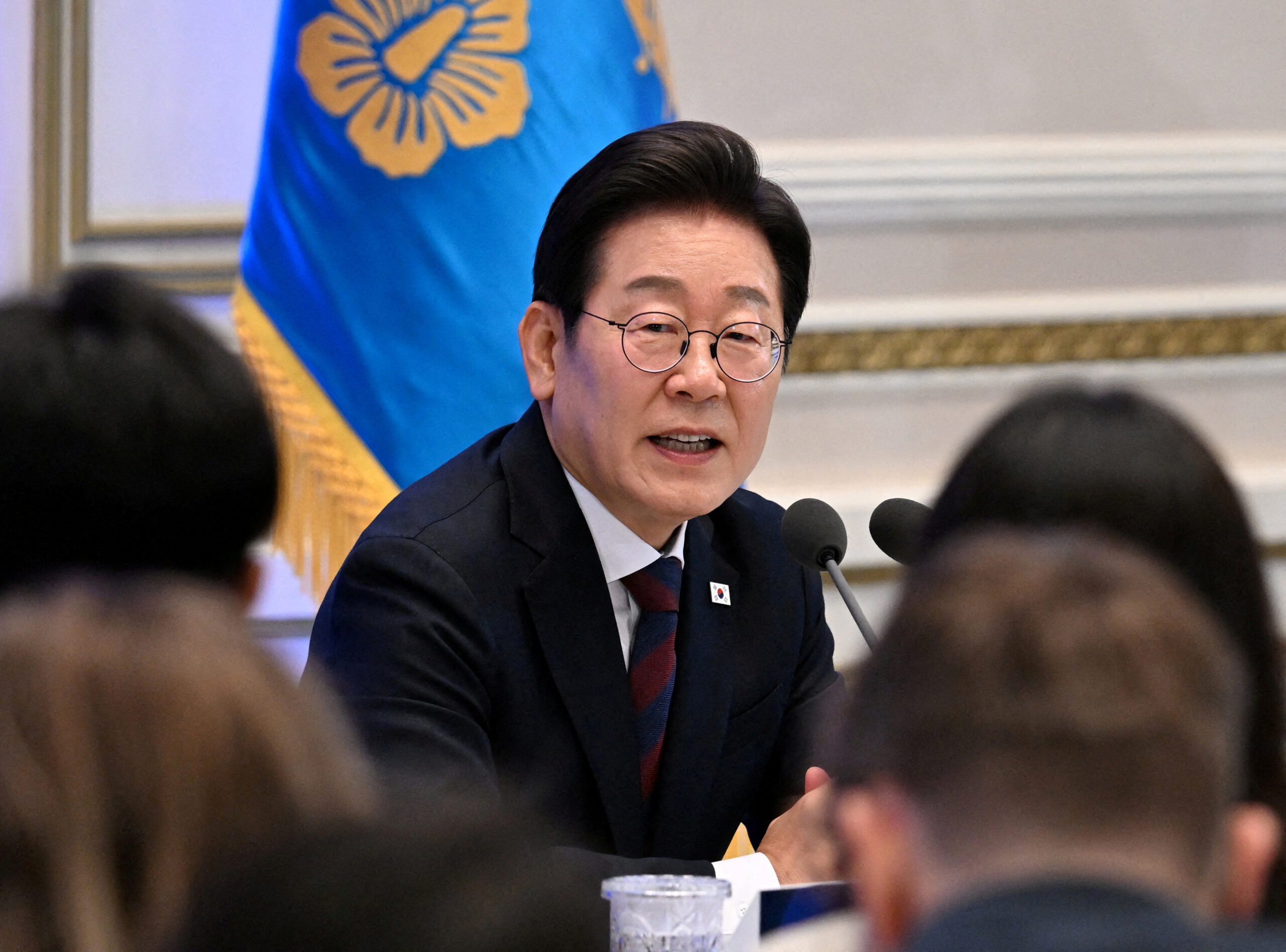
In a landmark speech on the 107th anniversary of Korea’s Independence Movement Day, President Lee Jae Myung called for an end to decades of confrontation between South and North Korea, signaling a renewed push for peace and dialogue on the Korean Peninsula. The president emphasized that historical grievances and military hostilities must be set aside to secure a stable and prosperous future for all Koreans.
Addressing lawmakers, diplomats, and citizens gathered at the Independence Hall, President Lee acknowledged the enduring tensions that have defined inter-Korean relations since the mid-20th century. He stressed that the time has come to replace hostility with cooperation, suspicion with trust, and division with dialogue. “We cannot allow the shadow of past conflicts to dictate the future of our people,” he said. “It is time to open a new chapter of hope, reconciliation, and shared growth.”
Lee’s remarks came amid ongoing global concern over North Korea’s nuclear program and missile tests, which have intensified regional security anxieties. While affirming South Korea’s commitment to defense and alliances with key partners such as the United States, the president reiterated that Seoul seeks dialogue rather than escalation.
The president also expressed respect for North Korea’s political system, calling on Pyongyang to reciprocate with constructive engagement. Analysts say Lee’s approach aims to balance firm national security priorities with a proactive peace initiative, a strategy that could reshape inter-Korean relations and influence broader regional stability in East Asia.
Observers noted that the speech was unusually conciliatory in tone, highlighting potential openings for joint economic projects, humanitarian exchanges, and diplomatic negotiations. International diplomats and media outlets reacted positively to the call for dialogue, describing it as a hopeful signal that South Korea may take a more active role in reducing tensions on the peninsula.
With the anniversary of Korea’s struggle for independence as the backdrop, President Lee framed the appeal as not only a political necessity but a moral imperative. Citizens and political analysts alike are now watching closely to see if North Korea responds to this unprecedented call for cooperation and whether the new leadership in Seoul can turn words of hope into concrete steps toward lasting peace.






+ There are no comments
Add yours