







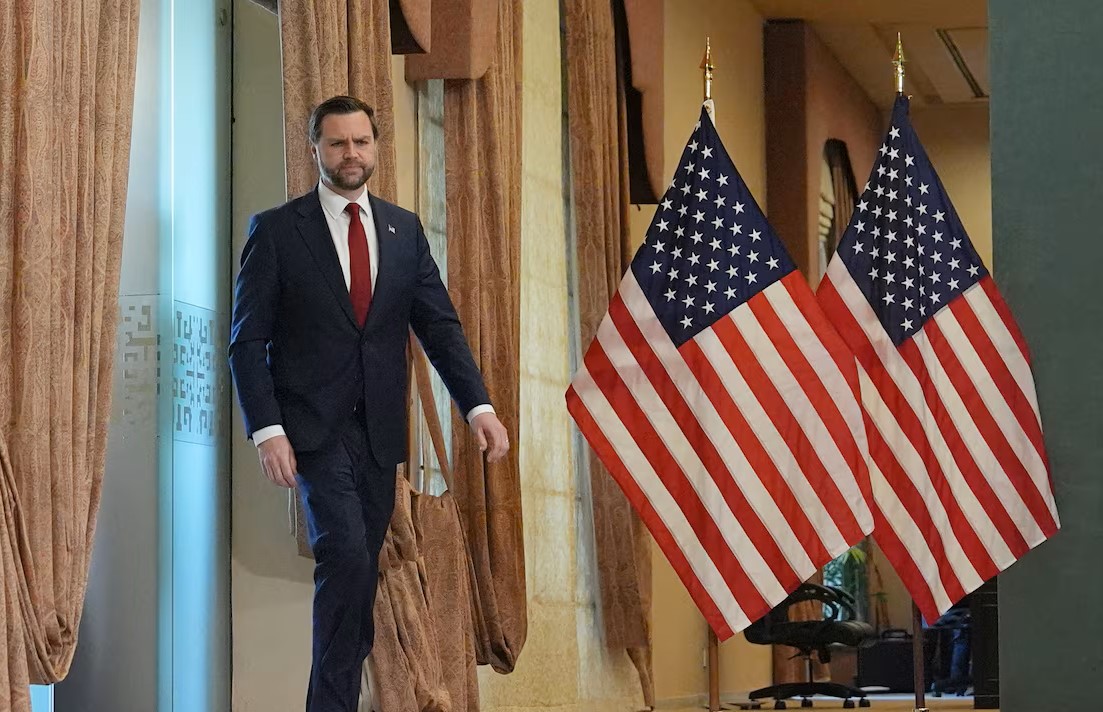
The United States delegation has left Pakistan after marathon negotiations with Iran ended without any agreement, marking a setback for diplomatic efforts aimed at stabilising tensions in the region.
US Vice President JD Vance confirmed in a brief press conference that the 21-hour talks in Islamabad had failed to produce a deal, saying Iran had refused to accept Washington’s terms.
Vance stated that the discussions were extensive and “substantive,” but said the core dispute could not be resolved. He added that Iran’s position prevented any breakthrough, despite what he described as a final effort by the US delegation to reach an agreement.
The talks, hosted in Pakistan, were part of ongoing international efforts to reduce tensions following months of instability linked to the wider Middle East conflict and concerns over nuclear escalation. They marked one of the most direct high-level engagements between the two sides in recent years.
According to officials, the primary sticking point remained Iran’s nuclear programme and US demands for firm commitments to prevent further development of weapons capability. Iranian representatives, however, have rejected the conditions as unacceptable, insisting that Washington’s terms go beyond what they are willing to consider.
The negotiations also reportedly touched on broader regional security issues, but no progress was made on key areas of disagreement.
The failure of the talks raises fresh concerns about the durability of the fragile ceasefire arrangement and the wider stability of the region. Analysts warn that the lack of diplomatic progress could increase uncertainty in global energy markets and heighten geopolitical risks.
Despite the breakdown, both sides have left open the possibility of future discussions, though no timeline has been announced.
The United States delegation has now returned home, while the situation remains tense and closely monitored by international observers.









+ There are no comments
Add yours