







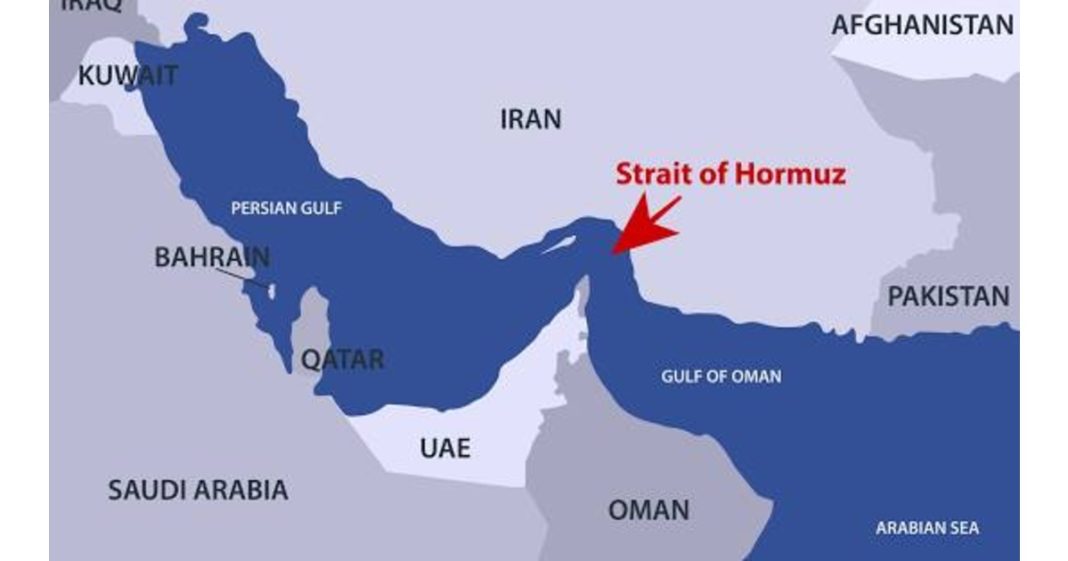
Tensions between the United States and Iran have escalated sharply, with both nations locked in a dangerous standoff that threatens global trade and energy supplies. Recent reports indicate that Iran is unlikely to ease its chokehold on the strategic Strait of Hormuz, a critical passage for nearly a fifth of the world’s oil shipments, raising alarms across international markets.
U.S. intelligence officials warn that Iran’s hardline approach is deliberate, aimed at strengthening its negotiating position while asserting regional dominance. The move comes amid ongoing military clashes, including the downing of a U.S. fighter jet, which left one American crew member missing and has intensified calls in Washington for swift action.
President Trump has described the situation as a “war in motion,” emphasizing that peace talks will continue despite the attacks. “We will not let this derail our diplomatic efforts,” he stated, signaling a dual approach of military readiness and negotiation. Yet the administration faces growing domestic opposition, with congressional Democrats labeling proposed increases in defense and Department of Homeland Security spending as “morally bankrupt” in light of the human and economic costs of escalating conflict.
Mediators attempting to reach a ceasefire report that negotiations have hit a dead end, with both sides unwilling to compromise on key demands. Analysts warn that without a breakthrough, the standoff could trigger broader regional instability and a spike in global energy prices. Markets have already reacted nervously, with oil futures surging amid fears of prolonged disruption in the Persian Gulf.
Experts stress that the next 48 hours could be pivotal. U.S. forces continue search-and-rescue operations for the missing airman, while Iran mobilizes additional military assets along the Gulf. The stakes are high, not only for the nations directly involved but for the global economy and international security.
As the crisis unfolds, policymakers face a stark choice: escalate military pressure, risking wider war, or intensify diplomatic efforts to prevent further catastrophe. For now, the world watches nervously, aware that the Strait of Hormuz may become the flashpoint for a conflict with consequences far beyond the Middle East.







+ There are no comments
Add yours