







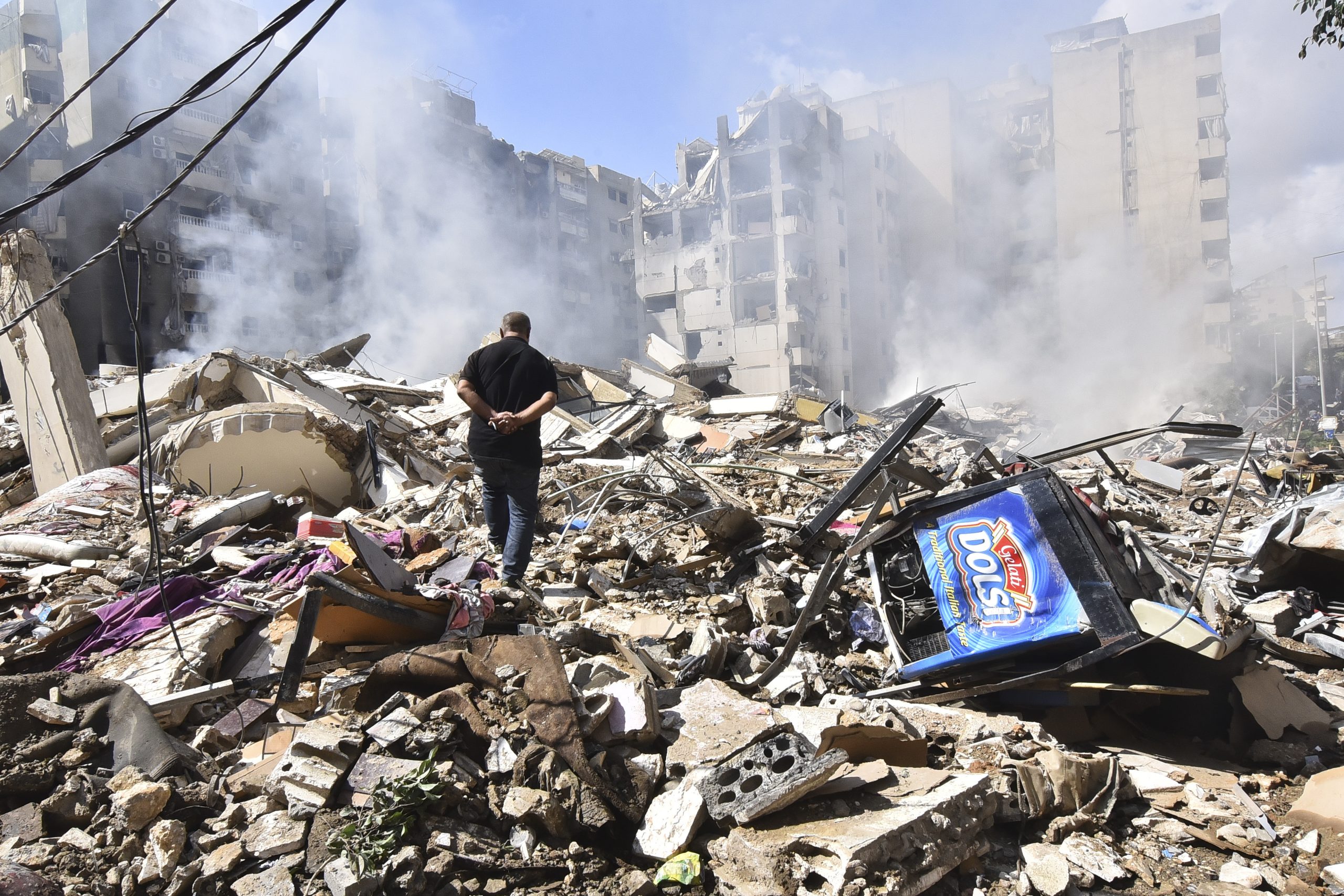
The war between the United States, Israel, and Iran entered its 29th day on Saturday, with the fighting intensifying and the risk of regional spillover growing. Tehran issued stern warnings to neighboring countries, urging them not to allow foreign forces to operate from their lands, signaling the potential for a wider conflict.
The hostilities began on February 28 when U.S. and Israeli forces launched coordinated strikes against Iranian military and strategic sites. Iran responded with missile and drone attacks on Israeli and U.S. positions, escalating tensions into one of the most serious conflicts in the region in years.
On Saturday, Yemen’s Iran-aligned Houthi movement joined the conflict, firing missiles toward Israel and pledging further operations in support of Tehran. The move opens a new front in the conflict and raises fears of a broader regional war.
The human and economic costs continue to mount. Casualties have been reported among soldiers and civilians, including at least 15 U.S. troops wounded in a strike on a Saudi airbase. Strategic maritime routes, such as the Strait of Hormuz and the Red Sea, are under threat, raising global concern over disruptions to trade and oil shipments.
Despite ongoing diplomatic efforts, no resolution is in sight. Analysts warn that the involvement of non-state actors and regional allies could prolong the fighting and destabilize the Middle East further. International organizations continue to call for restraint and dialogue to prevent wider catastrophe.
As day 29 closes, both sides show no sign of slowing their operations. The intensifying clashes underscore the fragility of regional security, the growing humanitarian toll, and the potential global repercussions of an escalating Middle East conflict.









+ There are no comments
Add yours