







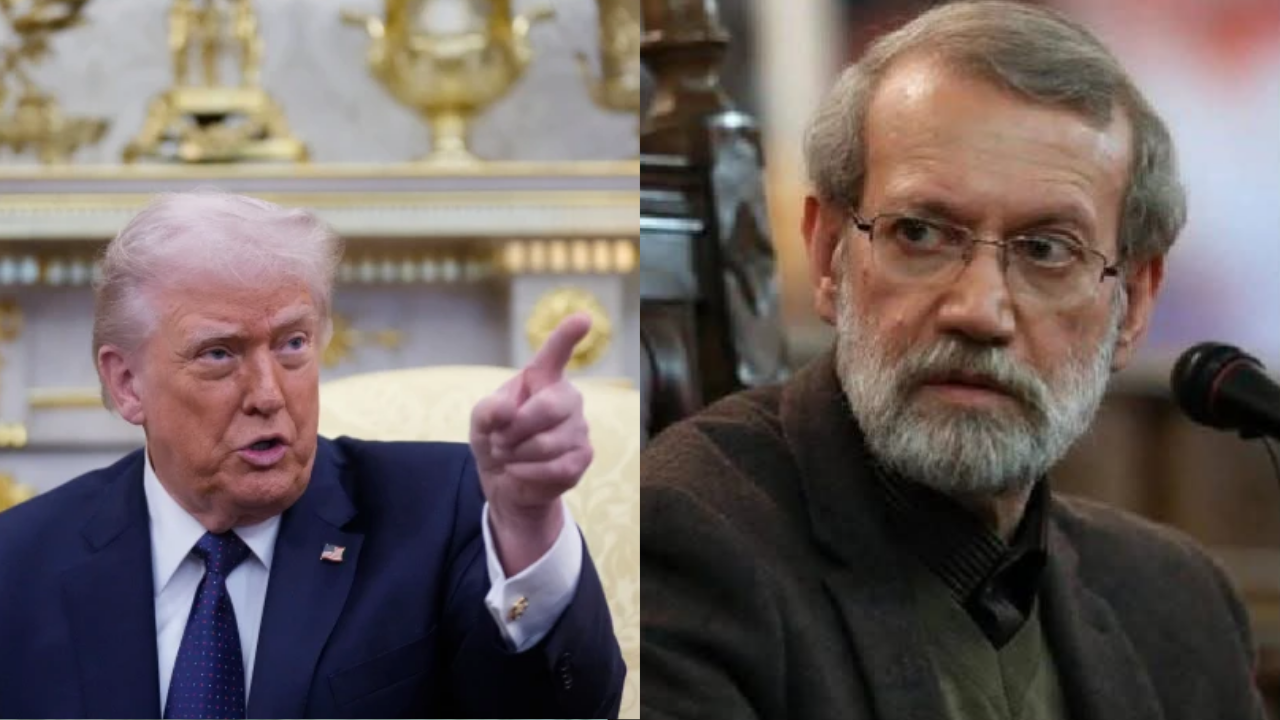
The ongoing conflict between the United States, Israel, and Iran has exposed significant miscalculations by President Donald Trump and his top advisers regarding Tehran’s response to military action. What was initially expected to be a limited engagement has escalated into a broader confrontation, catching U.S. policymakers off guard and intensifying regional tensions across the Middle East.
Senior officials within the Trump administration had assumed that Iran would respond cautiously, limiting retaliation to minor demonstrations or targeted strikes. Public statements from several advisers, including key figures in the defense and energy sectors, downplayed the risks to global markets and strategic shipping routes. Many believed that any Iranian response could be contained and that disruptions, including to the Strait of Hormuz, would be temporary.
However, Iran’s reaction has far exceeded these expectations. Within days of U.S. and Israeli strikes, Tehran launched a series of missile and drone attacks targeting U.S. military bases, allied positions, and critical infrastructure across the Gulf region. Commercial shipping in the Strait of Hormuz, a vital global oil passage, was directly threatened, with several merchant vessels forced to reroute or halt operations. These actions have created significant instability in energy markets, driving up global oil prices and causing concern among world leaders about long-term economic repercussions.
The miscalculation has also exposed internal disagreements within the U.S. administration. Some officials admit that contingency plans for securing key trade routes and limiting civilian disruption were inadequate. Lawmakers have criticized the White House for lacking a clear strategy to manage the economic and diplomatic fallout from the conflict. The failure to anticipate Tehran’s willingness to escalate has fueled debates over U.S. military objectives and long-term policy goals in the region.
Experts argue that the Trump administration underestimated Iran’s strategic patience and resilience. While the U.S. military achieved some tactical objectives, including striking missile sites and command centers, Iran’s coordinated response has highlighted the limits of unilateral military action and the risks of escalating hostilities without a comprehensive exit strategy.
The broader implications of this miscalculation are already visible. Oil markets remain volatile, shipping routes are disrupted, and regional allies are expressing concern about stability. The episode underscores the complexity of Middle Eastern geopolitics and the dangers of underestimating an opponent’s capabilities and willingness to respond decisively.
As the conflict continues, analysts warn that without careful diplomacy and strategic planning, both civilian and economic costs are likely to rise. The misjudgment of Iran’s response serves as a stark reminder of the challenges facing global leaders when navigating high-stakes military and political decisions in volatile regions.






+ There are no comments
Add yours