







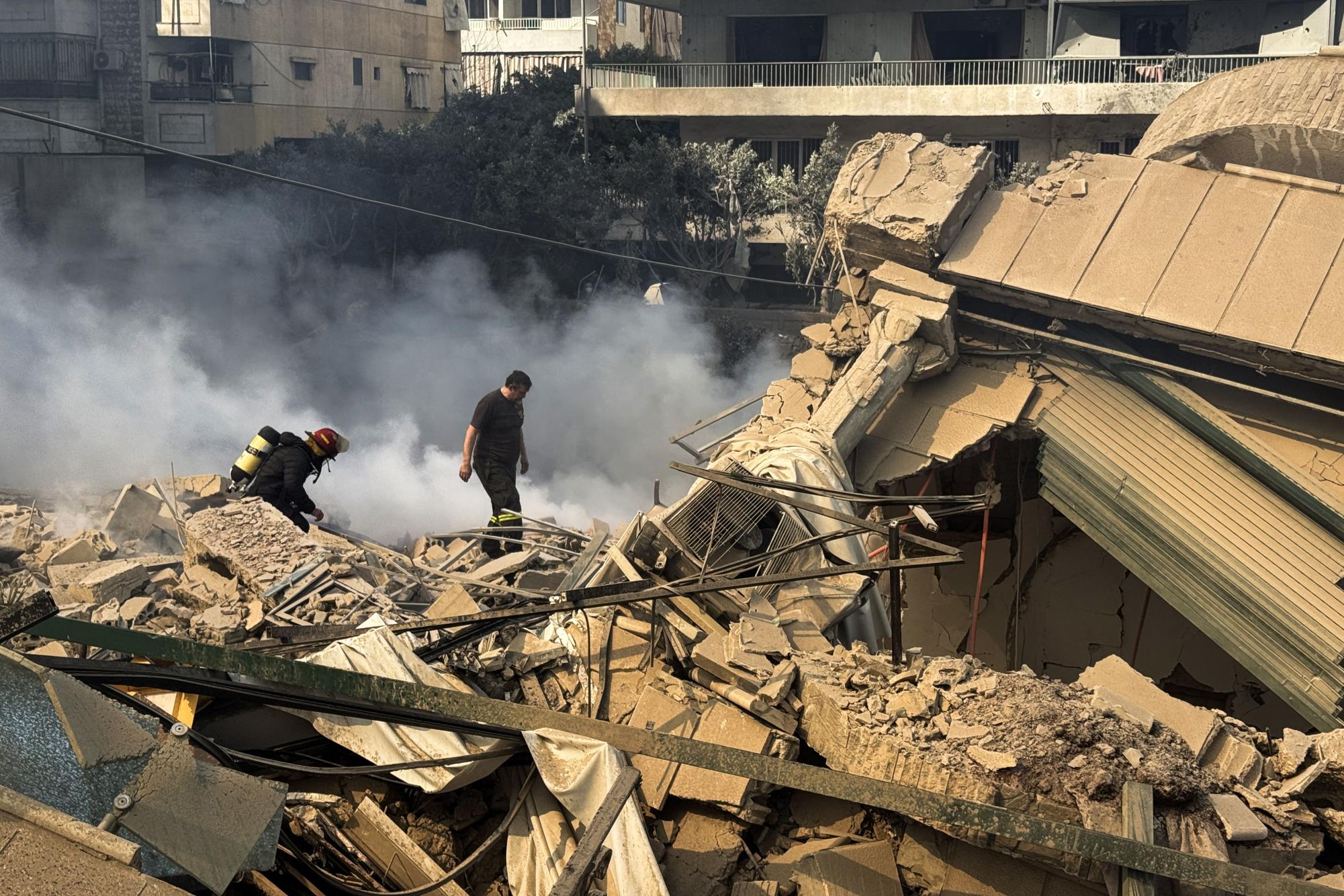
The conflict between the United States, Israel, and Iran has now entered its twelfth consecutive day, with fighting intensifying across multiple fronts and causing significant civilian and infrastructural damage. Reports from Iranian authorities indicate that more than 1,300 civilians have been killed, while thousands of homes, hospitals, schools, and public facilities have been damaged or destroyed due to continued air and missile strikes.
Iran has responded with missile and drone attacks targeting U.S. military positions, allied installations, and strategic infrastructure throughout the Gulf region. The Strait of Hormuz, a vital artery for global energy exports, has been particularly affected. Several commercial vessels, including cargo and tanker ships, have been struck or forced to evacuate crews, leading to disruptions in maritime trade and growing concerns over international shipping security. The U.S. military has confirmed neutralizing several Iranian mine-laying vessels near the strait to maintain navigation and safeguard energy supply routes.
The conflict has also escalated in Lebanon, where Israeli forces and Hezbollah have engaged in clashes across southern Lebanon and the southern suburbs of Beirut. Analysts warn that these developments increase the risk of a wider regional escalation, with potential involvement of neighboring countries and other non-state actors.
Global markets have already begun to feel the impact of the crisis. Rising geopolitical tensions and disruptions to oil shipping routes have caused volatility in international crude oil prices, affecting energy markets and economies worldwide. The Pentagon has reported that approximately 140 U.S. service members have been injured during the conflict, highlighting the risks faced by coalition forces engaged in the operations.
Diplomatic efforts to de-escalate the situation remain limited. The United Nations has expressed deep concern over rising civilian casualties and the growing humanitarian crisis. International observers have urged restraint and called for urgent negotiations to prevent further escalation. Humanitarian agencies are warning of severe shortages in essential supplies, including food, medicine, and clean water, for civilians caught in conflict zones.
As the twelfth day of fighting concludes, experts emphasize the far-reaching implications of the war. Energy security, trade routes, and regional alliances are under strain, and the human toll continues to rise. Ordinary civilians remain the most affected, with displacement, loss of property, and trauma becoming widespread.
The ongoing conflict underscores the fragility of peace in the Middle East and the urgent need for international intervention. Without immediate diplomatic efforts and humanitarian support, the crisis is expected to escalate further, creating long-term consequences for regional stability and global economic security.







+ There are no comments
Add yours