





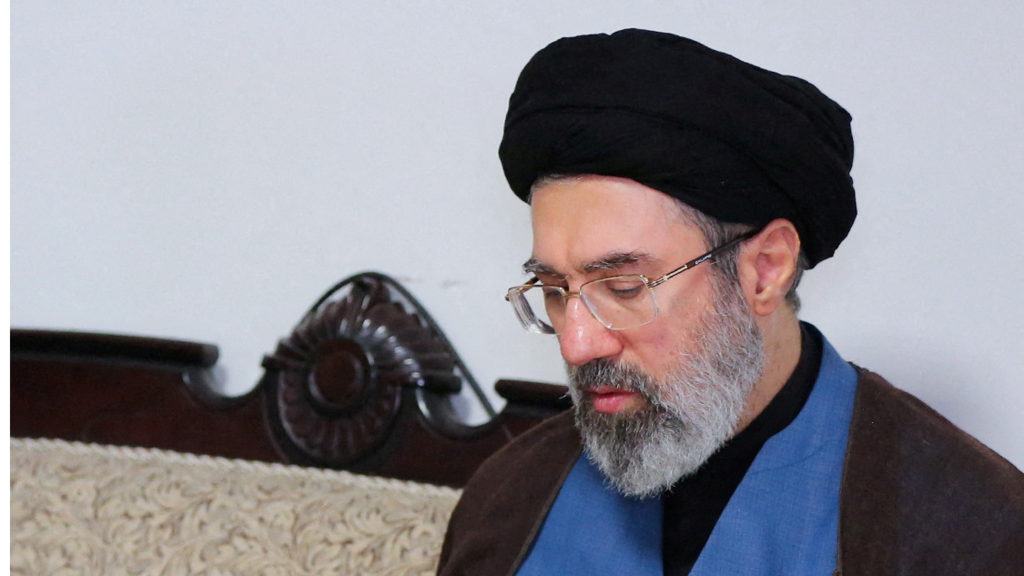
Mojtaba Khamenei has been officially appointed as the new Supreme Leader of Iran, following the death of his father, long-time ruler Ali Khamenei, in recent airstrikes linked to the ongoing Middle East conflict. The announcement, made by Iran’s Assembly of Experts, marks a historic transition as Mojtaba becomes only the third person to hold the nation’s most powerful office since the 1979 Islamic Revolution.
At 56, Mojtaba Khamenei has long held influential roles within Iran’s religious and political framework, particularly through close ties with the Islamic Revolutionary Guard Corps (IRGC). Analysts say his appointment signals a continuation of hardline policies, with a strong focus on consolidating power internally while responding to external military pressures.
The Assembly of Experts, an 88-member clerical body tasked with selecting the Supreme Leader, emphasized the need for stability during a period of unprecedented regional tension. Supporters argue Mojtaba’s deep understanding of Iran’s political and military structures equips him to navigate the country through ongoing hostilities and sanctions.
International reaction has been mixed. Western governments, including the United States, expressed concern about potential escalation, while Israel highlighted the risks posed by Iran’s leadership to regional security. Domestically, Iranian officials and Revolutionary Guard leaders pledged loyalty, stressing national unity amid conflict.
Mojtaba inherits a nation facing economic strain and foreign military threats. Cities near the borders have seen increased tension as retaliatory strikes continue, and ordinary citizens are coping with disruptions in daily life. The leadership change occurred under heightened security measures, with authorities controlling information flow to manage public reaction.
Observers note that Mojtaba’s rise represents a rare hereditary element in Iran’s theocratic system, diverging from traditional clerical succession practices. His tenure will likely be defined by how he balances hardline factions within Iran, manages international pressures, and maintains internal stability.
As Iran navigates this critical juncture, all eyes remain on its new Supreme Leader, whose decisions could shape the country’s political and military trajectory for years to come, influencing both regional dynamics and global diplomacy.



+ There are no comments
Add yours