







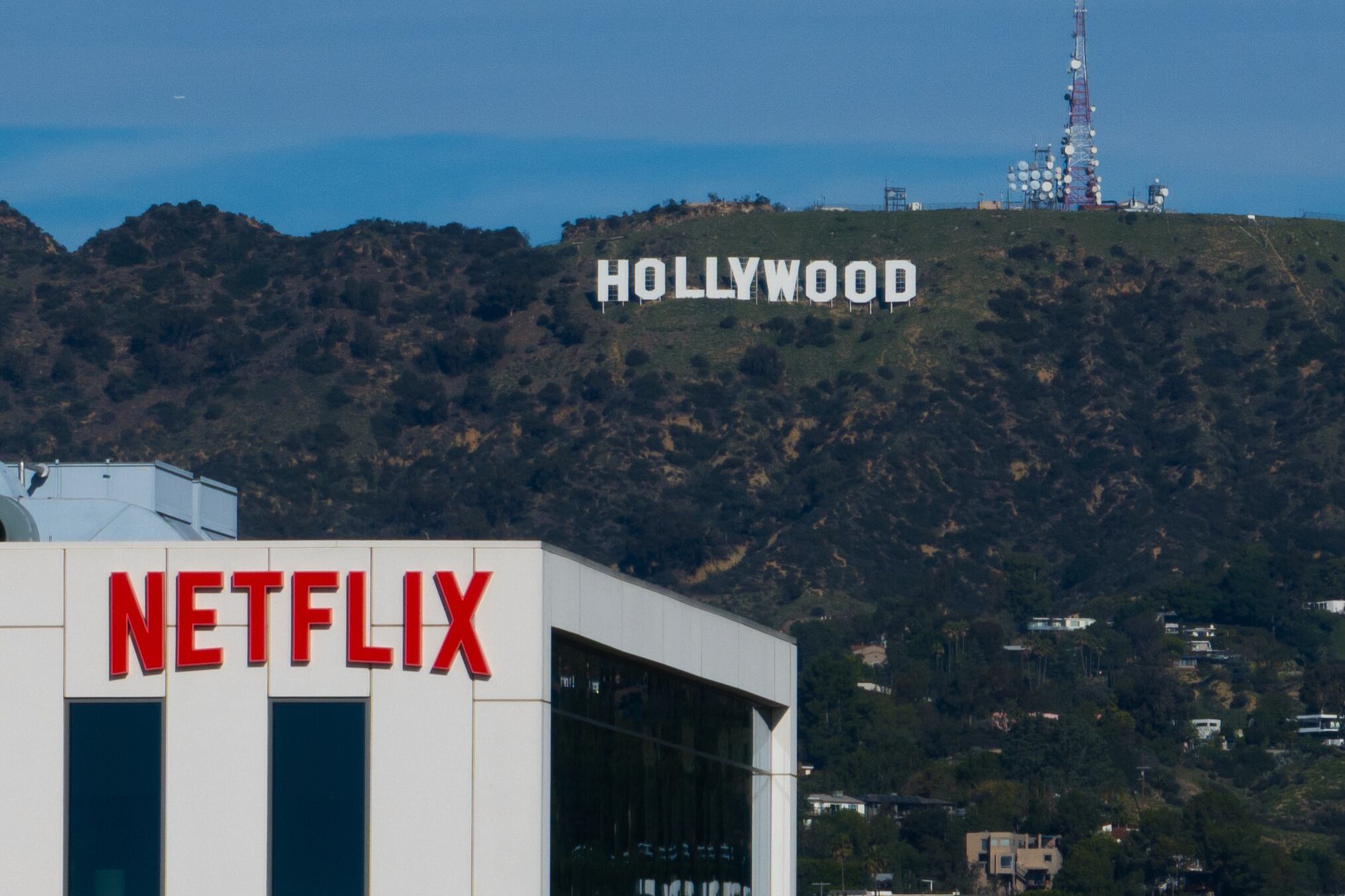
Paramount Skydance has paid a $2.8 billion termination fee to Netflix Inc. following the collapse of Netflix’s planned acquisition agreement with Warner Bros. Discovery, marking a dramatic shift in one of the year’s most closely watched media industry negotiations.
The termination payment was triggered after Warner Bros. Discovery’s board determined that Paramount’s revised offer represented a superior proposal to Netflix’s earlier bid. Under the terms of the original merger agreement, Netflix had the opportunity to match or exceed the new offer within a specified window. However, the streaming giant ultimately declined to raise its bid, citing financial discipline and long-term strategic priorities.
As a result, the breakup clause was activated, requiring Paramount to cover the multibillion-dollar fee to formally dissolve the previous arrangement. The payment clears the path for Paramount’s proposed takeover to move forward, subject to shareholder approval and regulatory review.
Industry analysts say the hefty termination fee underscores the high stakes involved in today’s rapidly consolidating entertainment landscape. With traditional studios facing streaming pressures, advertising volatility, and shifting consumer habits, large-scale mergers have become central to survival strategies among major players.
Investors reacted swiftly to the announcement. Netflix shares rose following news of the payout, signaling market approval of the company’s decision to step back from an increasingly expensive bidding war. Market observers noted that the cash infusion strengthens Netflix’s balance sheet and allows it to refocus on core content production and international expansion.
For Paramount, the deal represents an aggressive move to expand its portfolio and compete more effectively in a crowded streaming and theatrical market. If completed, the transaction would combine significant film, television, and streaming assets under one umbrella, potentially reshaping competitive dynamics across Hollywood.
Regulatory scrutiny is expected, particularly given growing concerns about media concentration and antitrust implications. Still, executives involved have expressed confidence that the transaction will meet required standards.
The $2.8 billion payment serves as a reminder of the financial risks embedded in high-profile mergers. In an era defined by rapid change in how audiences consume entertainment, strategic bets of this magnitude carry both enormous opportunity and equally significant cost.









+ There are no comments
Add yours