






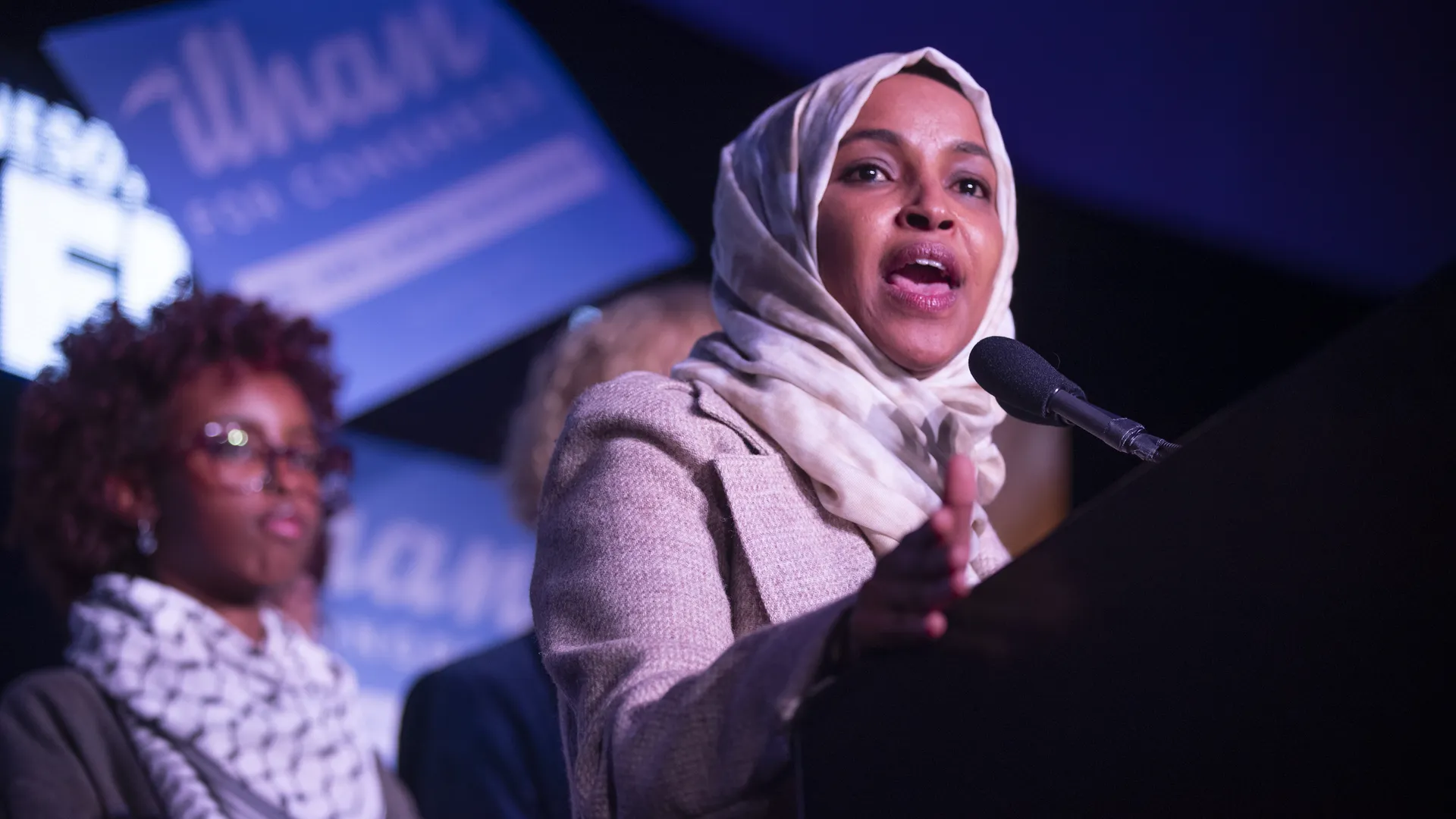
WASHINGTON — Dramatic scenes from Tuesday night’s State of the Union address have unleashed a wave of political controversy, following a high-profile confrontation between Democratic Representative Ilhan Omar and President Donald Trump over immigration policy.
During the speech, as Trump criticized Democratic lawmakers for not “standing up” to support his immigration agenda, Omar shouted from the House chamber that his policies had “killed Americans,” interrupting the president’s remarks and prompting a tense standoff in the packed Capitol room.
In the aftermath, Trump sharply rebuked Omar and fellow Democrat Rashida Tlaib, using social media to denounce their behavior and suggesting they be removed from the country — comments that drew swift criticism from Democrats and civil rights groups who condemned the remarks as xenophobic and inflammatory.
Omar defended her actions in the hours after the address, telling national media outlets she had “no regrets,” arguing she was compelled to speak out about what she described as the human toll of the administration’s immigration enforcement, including deaths of U.S. citizens in Minnesota that she says were linked to federal operations.
Outside the immediate exchange, the controversy spilled into broader debates on Capitol Hill. A guest invited by Omar — a disabled activist attending the address — was forcibly removed and briefly hospitalized after standing in the chamber, an incident that sparked further debate about protest and Capitol security protocols.
Republican leaders applauded the president’s address overall and condemned the Democrats’ interruptions, framing them as disrespectful to the institution and to the victims of crime and immigration policy disputes.
The incident underscored the deep partisan fissures that dominated Washington’s political landscape as lawmakers spar over immigration, government funding, and national identity — conflicts set to shape the lead-up to the 2026 election cycle.
Critics on both sides say the clash reflects larger national tensions: conservatives argue Democrats are soft on border enforcement, while progressives insist the administration’s policies have caused undue suffering. With both parties dug in, the fallout from Tuesday’s address is expected to reverberate through Congress and political debates in the weeks ahead.









+ There are no comments
Add yours