






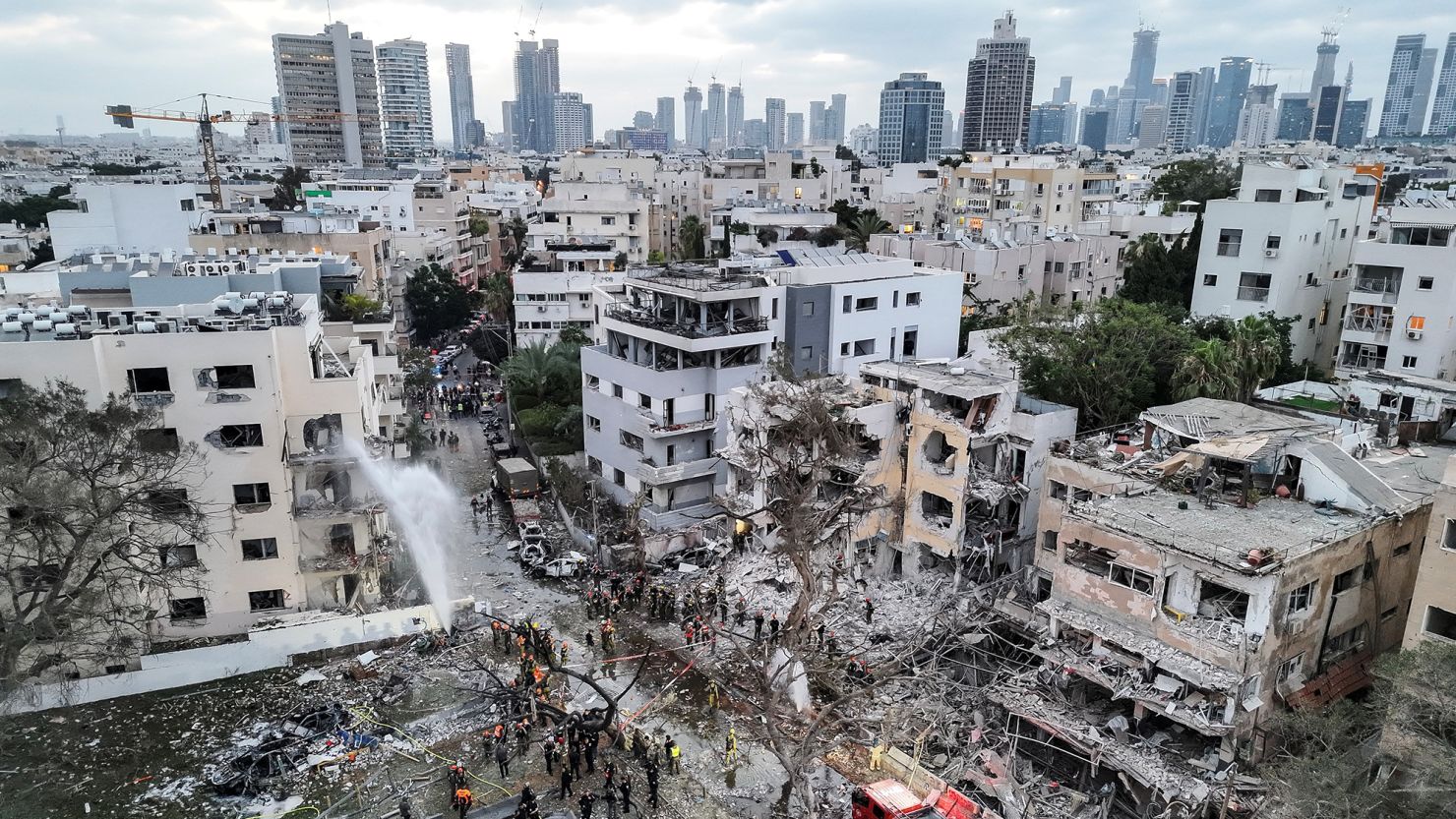
Global attention is sharply focused on the Middle East as tensions escalate between Iran and international powers, with analysts warning that any military strike could have far-reaching consequences. Diplomatic efforts in Geneva are ongoing, but rhetoric from Iranian officials and warnings from foreign governments suggest that the risk of confrontation remains high. Experts emphasize that even a limited attack could destabilize the region, disrupt global trade, and trigger economic shocks worldwide.
One of the most immediate concerns is the security of the Strait of Hormuz, a vital waterway through which nearly 20% of the world’s oil exports pass. Past threats from Tehran to close the strait illustrate how quickly energy markets could be affected. Any disruption would likely drive oil prices sharply higher, fueling global inflation and creating ripple effects across international markets. Energy analysts note that even temporary blockages could have a serious impact on economies dependent on oil imports.
Military experts highlight that Iran possesses a sophisticated missile arsenal capable of striking neighboring countries and U.S. bases in the region. Any strike could provoke retaliatory attacks, potentially escalating a local conflict into a wider regional war. Furthermore, Iran’s network of allied proxy groups could carry out operations in other Middle Eastern countries, complicating international efforts to maintain peace and security. Humanitarian concerns are also significant, as civilians in affected areas could face displacement, shortages of essential supplies, and destruction of infrastructure.
Regional governments are closely monitoring the situation. Countries such as Turkey, Saudi Arabia, and the United Arab Emirates are urging restraint and emphasizing diplomacy as the only sustainable solution. Analysts warn that political miscalculations could quickly spiral into broader hostilities, potentially drawing in global powers and impacting international relations beyond the Middle East.
The economic, military, and humanitarian risks associated with a potential attack on Iran highlight the delicate balance in the region. While diplomatic efforts continue, the possibility of escalation keeps markets, governments, and civilians on edge. Observers say that preventing conflict will require careful negotiation, international pressure, and a recognition of the severe consequences that any military action could trigger across the region and around the world.
This developing situation serves as a reminder of the interconnectedness of global security, energy markets, and regional stability, illustrating how a single flashpoint in the Middle East can have worldwide implications.








+ There are no comments
Add yours