





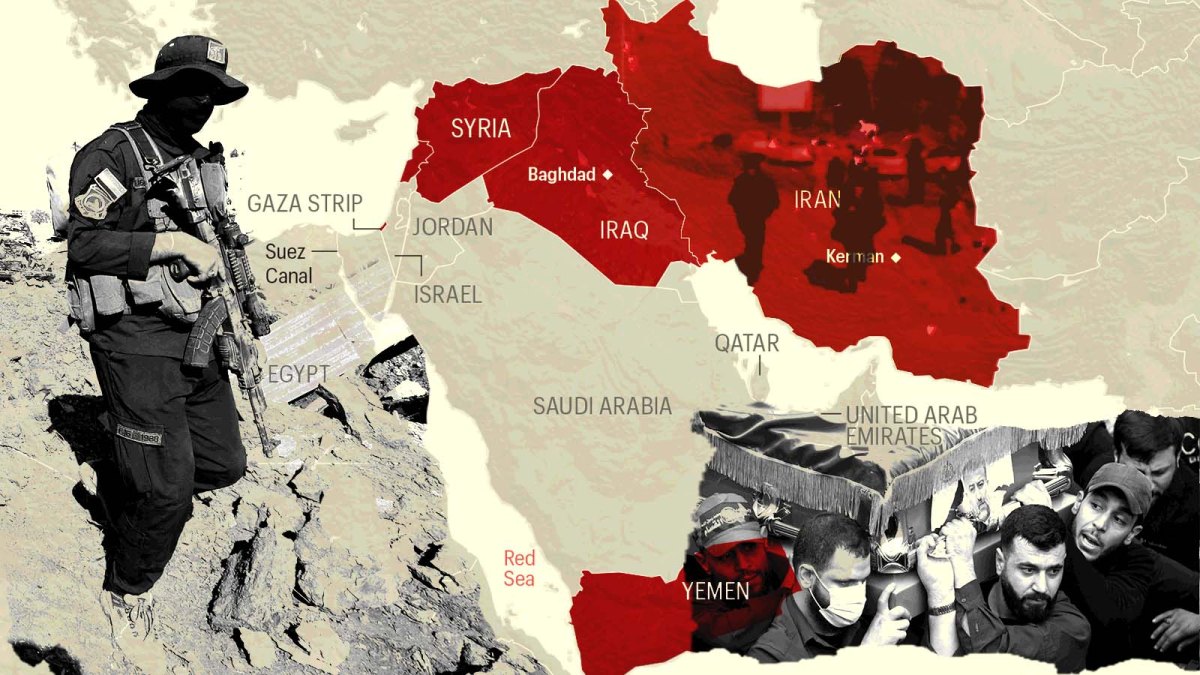
The world is bracing for a potential geopolitical shift as tensions in the Middle East intensify, with escalating military activities, political confrontations, and rising fears of broader regional instability. The recent surge in U.S. military presence in the region, paired with ongoing diplomatic standoffs, has created a volatile atmosphere that has the international community on high alert.
In the past 48 hours, the United States has deployed over 150 aircraft to strategic locations across the Middle East and Europe. This buildup, considered the largest in recent years, has raised concerns about the possibility of military escalation. These moves are reportedly in response to heightened threats from Iran and its regional allies, including the Lebanese Hezbollah group, which has long been a key player in Middle Eastern geopolitics.
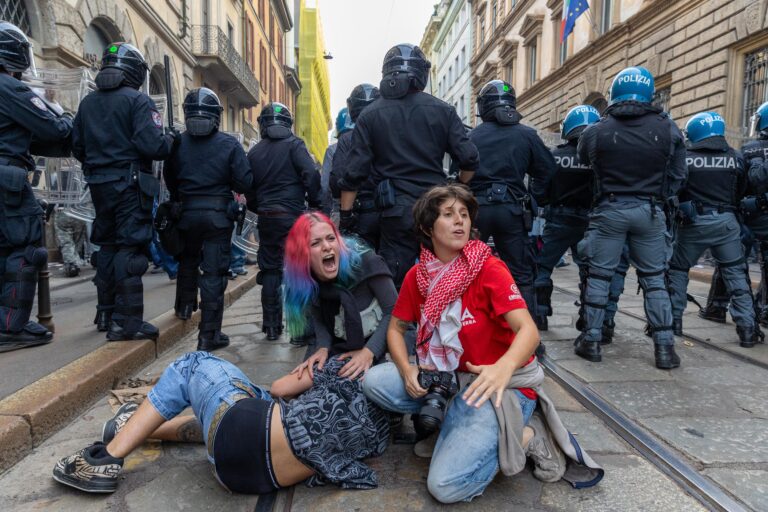
The increasing military presence has drawn strong reactions from global leaders, with many calling for restraint. Europe, particularly Greece, has witnessed widespread protests against the arrival of the U.S. aircraft carrier USS Gerald R. Ford, which docked near the Aegean Sea, as locals voice opposition to what they see as an expansion of foreign military influence. The protests are seen as part of a broader wave of unrest across the region, as citizens grow weary of the ongoing conflict and instability that has plagued the Middle East for years.
At the same time, Lebanon’s political elite has issued urgent calls for de-escalation, urging Hezbollah to refrain from getting involved in potential U.S. military action against Iran. There is a real concern that the already fragile balance of power in Lebanon could unravel if Hezbollah were to escalate its involvement, drawing Lebanon into a wider conflict with the West.
The global economy is also feeling the strain, as oil prices have surged to seven-month highs, driven by fears that military conflict could disrupt key oil shipping lanes and destabilize the global energy market. These economic ripples are felt not just in the Middle East, but across continents, as energy prices impact industries worldwide.
As the situation continues to unfold, the world remains on edge. With diplomacy teetering and military movements accelerating, the question of whether the Middle East will once again become the epicenter of global conflict hangs in the balance. The coming days will likely prove pivotal in determining the region’s future and the broader global order.






+ There are no comments
Add yours