







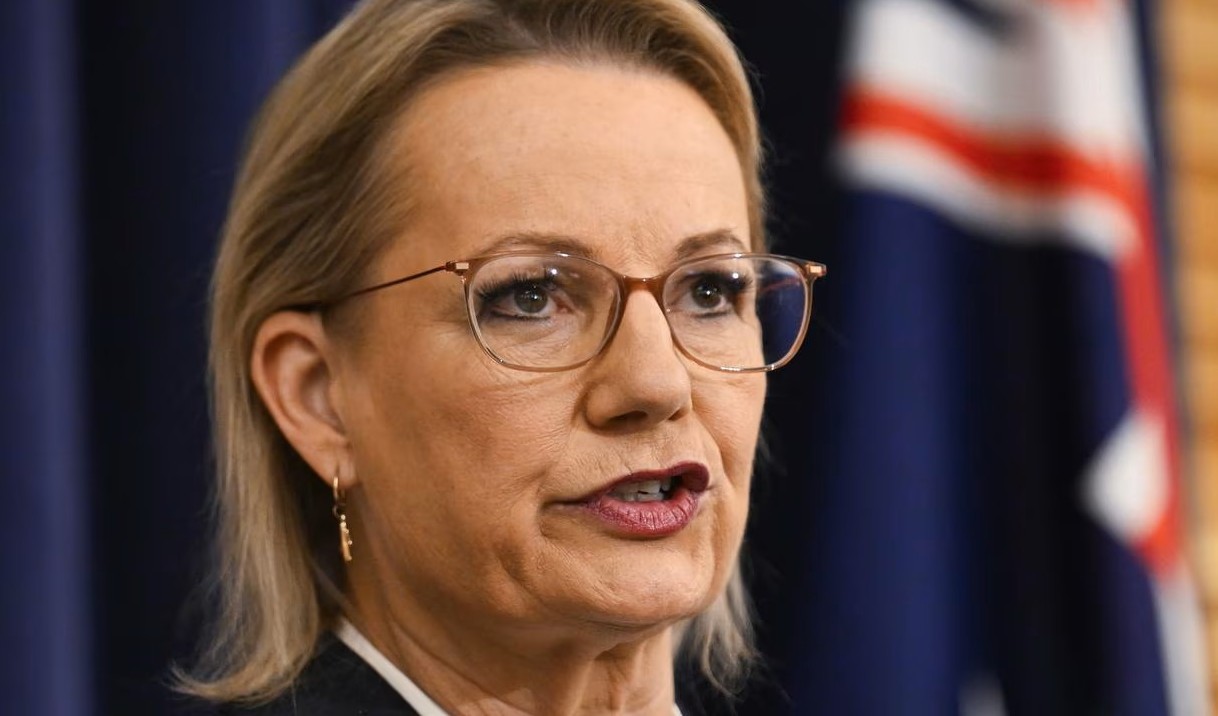
Australia’s Liberal Party is facing one of the most turbulent periods in recent memory as senior party figures meet amid intense speculation of a leadership challenge against Opposition Leader Sussan Ley. The party is grappling with deep internal divisions over strategy, direction, and unity, raising concerns about its ability to mount a strong opposition to the government in the coming months.
Key conservatives, including shadow ministers Andrew Hastie and Angus Taylor, held high-profile discussions in Melbourne this week to explore potential changes at the top. While some members, such as WA MP Ben Small, have publicly backed Hastie as a potential leader, no consensus has been reached. The talks ended without a clear resolution, underscoring the uncertainty and factional tensions that continue to roil the party room.
Supporters of Ley have rallied around her leadership, stressing stability and continuity as essential for maintaining credibility with the public. Party insiders note that while there is private discontent among some conservatives, Ley still retains a significant base of support, making any leadership move highly contested. Analysts say this balance of power within the party could determine whether the Liberals embrace change or maintain the status quo.
The leadership uncertainty comes at a precarious moment for the Liberals, who are still recovering from setbacks in the last federal election and navigating the fallout from fractured relations with their traditional coalition partners, the Nationals. Political observers warn that prolonged instability could damage public confidence, weaken opposition performance in Parliament, and reduce the party’s ability to challenge government policy effectively.
Observers also point out that the outcome of this leadership struggle will have implications beyond the party itself. A leadership change could shift the Liberals’ policy approach, affect electoral strategies, and reshape the broader dynamics of Australian politics ahead of the next federal election. Conversely, maintaining Ley’s leadership could signal unity but risk leaving underlying divisions unresolved.
With party room meetings scheduled to continue in the coming days, all eyes are on Canberra. The Liberal Party’s choice—whether continuity under Ley or a dramatic leadership shift—may not only determine its internal trajectory but also influence the balance of power and the tone of national political debate in Australia for years to come.








+ There are no comments
Add yours