








The global economy is stepping into 2026 amid growing uncertainty, with economists warning that slowing growth, persistent inflationary pressures, and rising policy risks could weigh heavily on recovery prospects. While some regions continue to show resilience, the overall outlook remains fragile as governments and central banks grapple with complex economic challenges.
Recent assessments by international economic observers suggest that global growth momentum is losing strength following years of post-pandemic recovery. High interest rates, elevated public debt, and geopolitical tensions are increasingly constraining economic activity. Many economies are facing the difficult task of balancing inflation control with the need to support growth and employment.
Inflation, though easing in some advanced economies, remains stubbornly high in several regions, particularly in developing markets. Central banks are therefore maintaining cautious monetary stances, delaying expectations of rapid interest-rate cuts. This prolonged tightening environment has raised borrowing costs for businesses and households, slowing investment and consumer spending worldwide.
Policy uncertainty has emerged as a key risk factor. Shifting trade policies, ongoing geopolitical conflicts, and disruptions to global supply chains continue to undermine confidence in international markets. Businesses are becoming more cautious, delaying expansion plans and reassessing cross-border investments as economic fragmentation deepens.
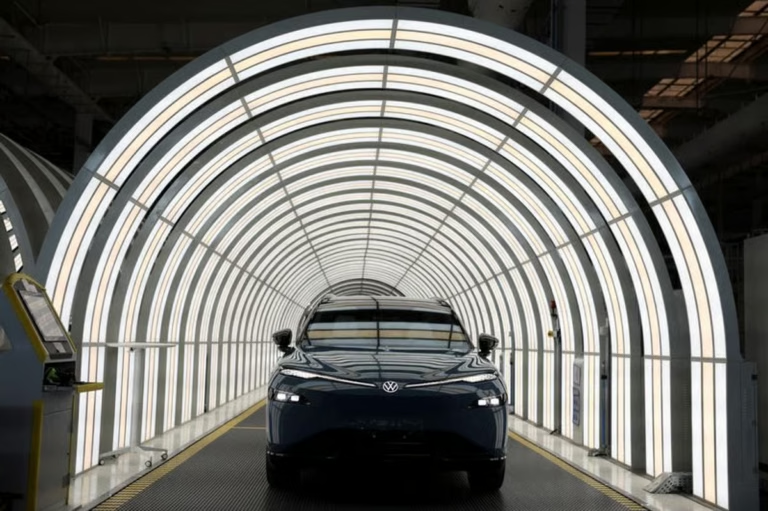
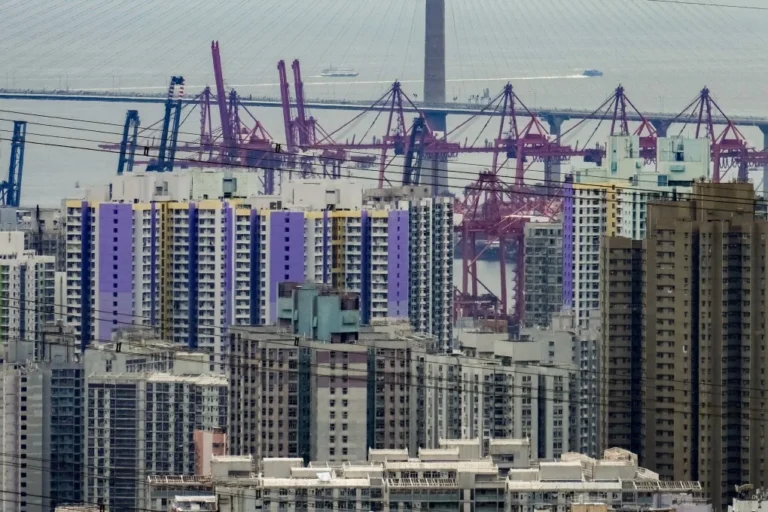
Despite the challenges, the global economy is not without pockets of strength. Certain Asian economies have benefited from robust technology exports and improved domestic demand, while financial hubs have seen renewed investor interest. However, economists warn that these positive trends may not be sufficient to offset broader global headwinds.
Rising debt levels, particularly among developing and low-income countries, are adding to concerns. Servicing costs have increased sharply due to higher interest rates, limiting fiscal space and increasing vulnerability to external shocks. International financial institutions have urged coordinated global action to prevent debt distress from turning into a wider crisis.
As 2026 unfolds, analysts emphasize that the path forward will depend heavily on policy coordination, structural reforms, and geopolitical stability. Without clear and consistent economic strategies, the global economy risks entering a prolonged period of slow growth and heightened volatility, challenging governments, businesses, and households alike.







+ There are no comments
Add yours