





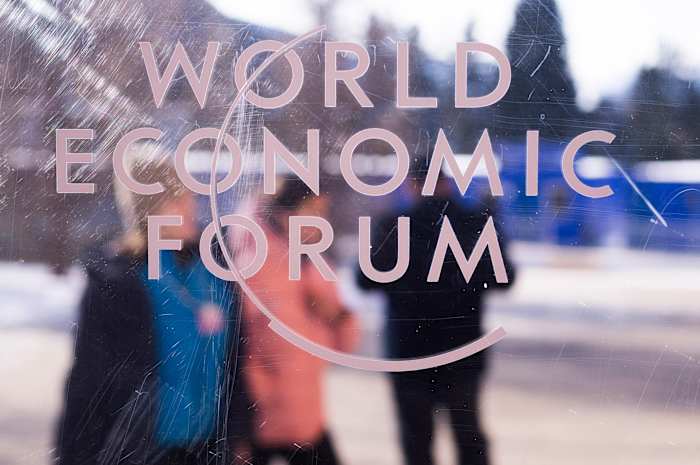
World leaders and top policymakers meeting at the World Economic Forum in Davos projected confidence in the resilience of the global economy, even as rising political tensions, geopolitical conflicts, and election-year uncertainty loom large across major regions.
Speaking on the sidelines of the annual gathering, government officials and central bank leaders pointed to slowing inflation, stabilizing supply chains, and steady consumer demand as signs that the world economy is avoiding a sharp downturn. Despite wars, trade disputes, and diplomatic strains, many leaders argued that global growth remains more durable than expected.
The message from Davos was cautiously optimistic. Policymakers acknowledged that the past few years have tested economies through pandemics, conflicts, and aggressive interest rate hikes, yet emphasized that financial systems have adapted. Several leaders highlighted improving conditions in labor markets and signs that interest rates may ease later in the year, potentially boosting investment and growth.
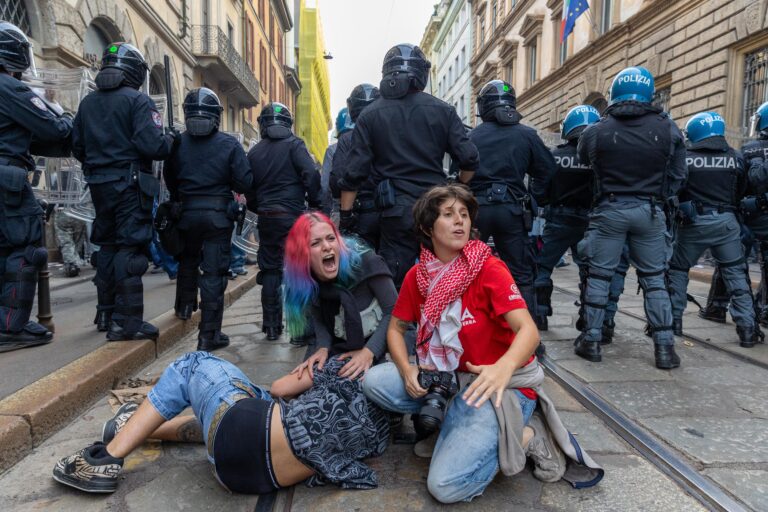
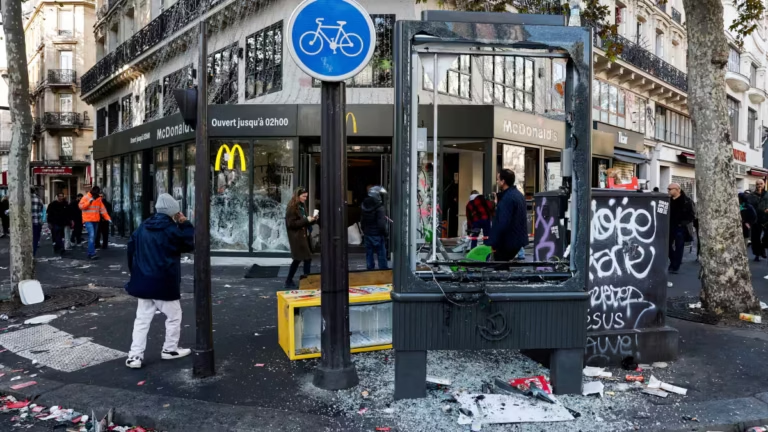
However, optimism was tempered by political uncertainty. Ongoing conflicts in Eastern Europe and the Middle East, strained relations between major powers, and the rise of protectionist policies were repeatedly flagged as risks that could disrupt trade and investment flows. Leaders warned that political fragmentation threatens international cooperation at a time when collaboration is critical to addressing global challenges such as climate change, debt distress in developing nations, and technological disruption.
Elections scheduled across multiple major economies this year were another source of concern. Executives and policymakers noted that shifting political leadership could alter fiscal priorities, trade agreements, and regulatory frameworks, adding volatility to global markets.
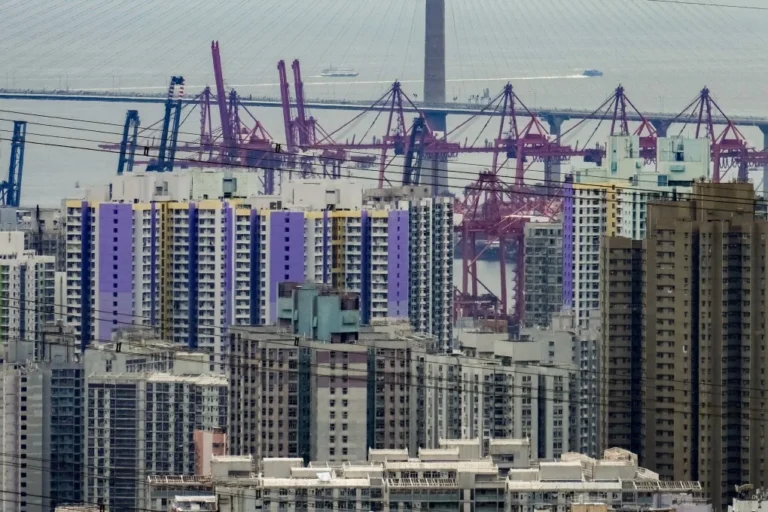
Despite these risks, speakers stressed that resilience has become a defining feature of the global economy. Businesses have diversified supply chains, governments have strengthened financial safeguards, and emerging markets have shown greater stability than in past crises.
The Davos discussions underscored a shared belief that while the global economy is not free from danger, it is better prepared to absorb shocks. Leaders called for renewed dialogue, reduced geopolitical friction, and coordinated policy action to ensure that economic resilience translates into inclusive and sustainable growth.
As the forum continues, the challenge for world leaders remains clear: maintaining economic momentum while navigating an increasingly complex and divided political landscape.




+ There are no comments
Add yours