






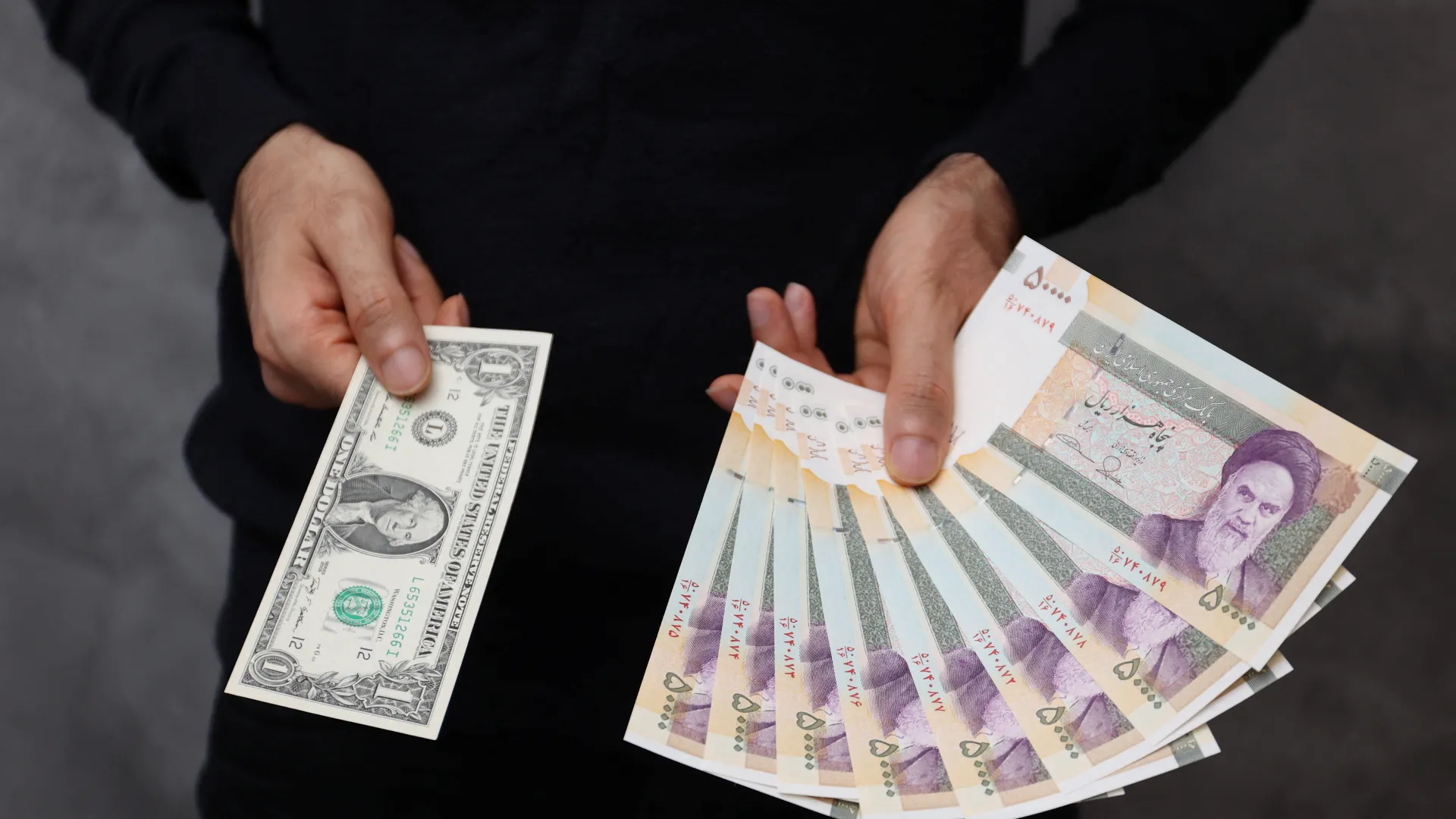
Iran’s struggling national currency, the rial, has become a powerful symbol of the country’s growing economic distress and political isolation. As the rial continues to lose value against major global currencies, the impact is being felt far beyond financial markets, reaching into the everyday lives of millions of Iranians and reshaping the nation’s political discourse.
At the heart of the crisis lies a complex mix of economic mismanagement and international politics. Years of stringent sanctions imposed by Western nations over Iran’s nuclear program have significantly restricted oil exports, the backbone of the Iranian economy. Reduced access to foreign exchange and global banking systems has weakened the government’s ability to stabilize the currency, leading to soaring inflation and rising living costs.
Politically, the currency’s collapse has intensified pressure on Iran’s leadership. Critics within the country argue that hardline foreign policies and strained diplomatic relations have deepened economic isolation. Reformist voices have repeatedly called for renewed negotiations with global powers, claiming that easing sanctions is essential for restoring currency stability and economic growth. However, conservative factions maintain that resistance to Western pressure is a matter of national sovereignty, even at economic cost.
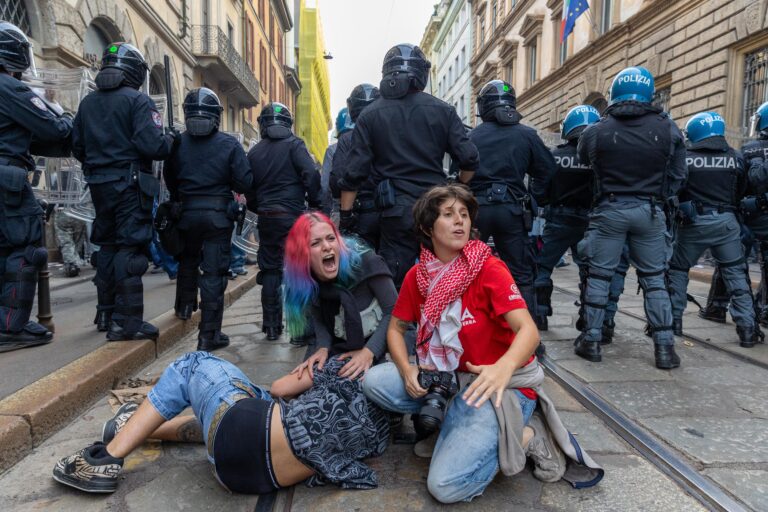
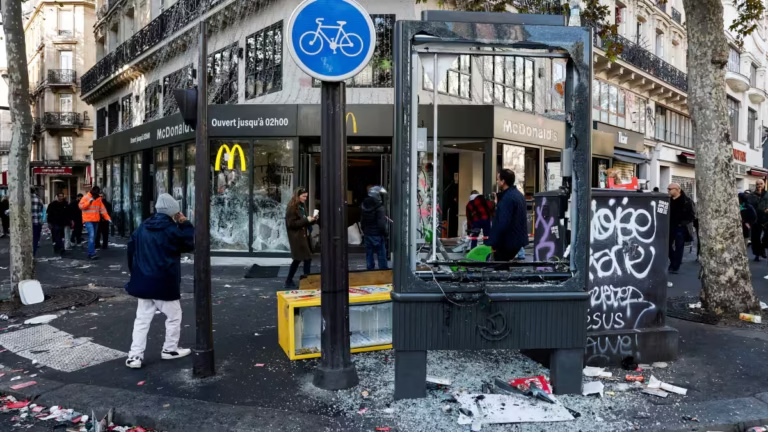
The weakening rial has also become a domestic political issue, fueling public dissatisfaction. Rising prices of food, fuel, and housing have sparked protests in recent years, with demonstrators often linking economic hardship to political decision-making. For many citizens, the currency’s decline represents not just an economic failure but a broader governance challenge.
In response, the Iranian government has introduced measures such as tighter controls on currency markets and plans to remove zeros from the rial to simplify transactions. While officials present these steps as reforms, economists caution that such actions are largely symbolic unless accompanied by deeper structural changes, including fiscal discipline, transparency, and improved international relations.
As Iran approaches key political moments, including elections and policy debates, the state of the rial is likely to remain central to public discussion. Analysts note that the future of Iran’s currency depends not only on economic reforms but also on political choices—particularly how the country navigates diplomacy, sanctions, and internal power dynamics.
Ultimately, Iran’s currency crisis highlights the close link between politics and economics, showing how political decisions at home and abroad continue to shape the financial reality of the nation.




+ There are no comments
Add yours