







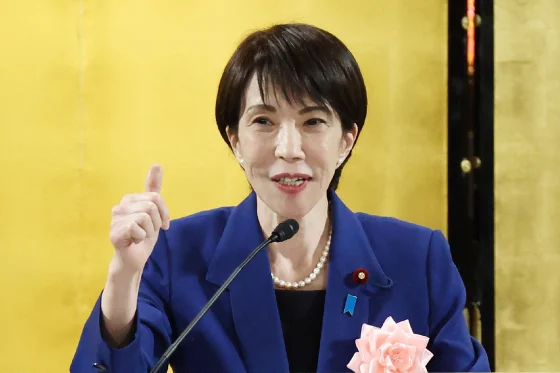
In a move that could reshape the political landscape of Japan, Prime Minister Sanae Takaichi has signalled her intention to dissolve the lower house of parliament, paving the way for a potential snap election as early as next month. The announcement, confirmed by party sources and reported by Kyodo News, underscores growing political uncertainty amid debates over economic policy, defense spending, and public trust in government.
Takaichi’s decision comes at a time when her ruling coalition faces mounting criticism over sluggish economic growth, rising inflation, and domestic policy challenges. Analysts suggest that calling an early election could allow the Prime Minister to capitalize on her current approval ratings while attempting to secure a stronger mandate for her administration’s agenda.
“The Prime Minister has communicated her plan to the party executive, signaling that she is ready to move forward with dissolving the lower house,” a senior party official told Reuters. “This is a strategic decision aimed at consolidating support and setting the stage for decisive governance.”
Opposition parties have reacted cautiously, warning that a snap election may deepen political polarization. Some critics argue that Takaichi is prioritizing political expediency over addressing pressing domestic issues, including a slowing labor market and the challenges of an aging population.
Economic observers are closely watching how the announcement affects Japan’s financial markets. Historically, political uncertainty has led to short-term volatility in the yen and Japanese equities, although long-term market trends have often remained resilient. Investors are also evaluating potential policy shifts, including government spending initiatives, trade negotiations, and defense modernization plans.
The timing of the dissolution is seen as critical. By calling a snap election, Takaichi could seek to avoid extended parliamentary gridlock, while also setting the agenda for key reforms in areas such as energy policy, regional security, and digital infrastructure. Political analysts note that early elections in Japan often serve as a referendum on the ruling party’s performance, with the potential to either strengthen or weaken the government’s position in parliament.
If the election proceeds as anticipated, it could significantly impact Japan’s domestic policies and international stance, particularly in relation to regional security and trade partnerships. Observers both inside and outside the country are watching closely to gauge the potential consequences of Takaichi’s bold political maneuver, which underscores the volatile and fast-moving nature of contemporary Japanese politics.







+ There are no comments
Add yours